Introduction
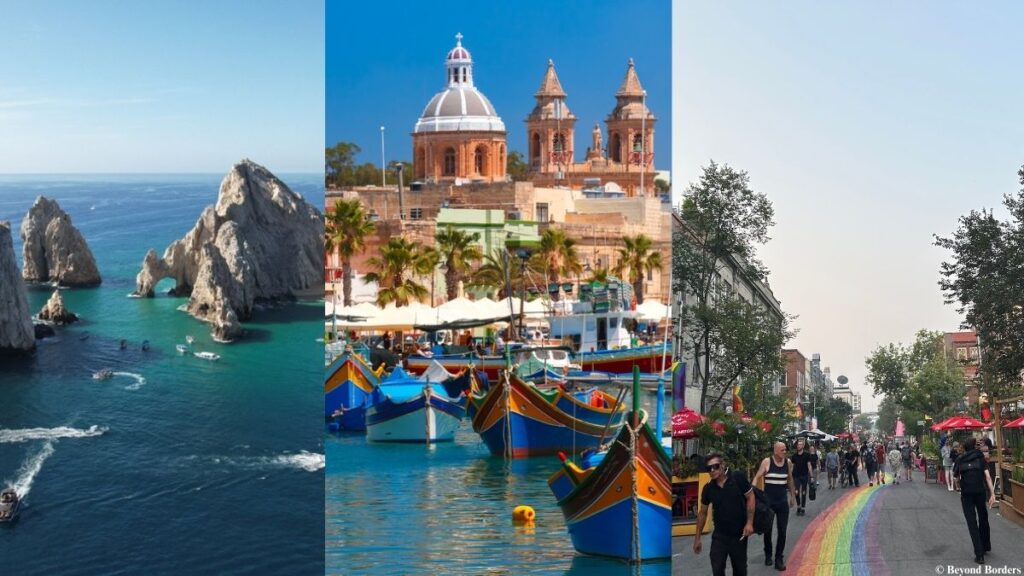
Welcome to the sun-kissed jewel of the Mediterranean! The island country of Malta, a captivating archipelago south of Sicily, is often overlooked but stands ready to reward visitors with a unique fusion of history, culture, and coastal beauty. It’s a place where Phoenician ruins sit steps from the Knights of St. John fortifications. If you only have a long weekend, this itinerary for spending 3 days in Malta focuses purely on the main island, ensuring you experience everything from the Baroque splendour of Valletta to the quiet medieval streets of Mdina. Get ready to dive deep into a small country with a profound history.
Headed to Malta for Spring 2026?
Spring is arguably the best time to visit the archipelago before the summer heat hits. For 2026, Malta is buzzing with cultural milestones, including the highly anticipated Malta Biennale (March–May) and the iconic Festa Frawli (Strawberry Festival) in April. Whether you’re here for the historic “Silent City” vibes of Mdina or want to catch the legendary fireworks over the Grand Harbour, this guide has been fully updated with the 2026 festival dates and the newest boutique openings in Valletta
Important Notes
- This itinerary allows for three full days to explore Malta, the main island of the Maltese archipelago.
- This itinerary is not structured (there are no time constraints), allowing you to explore the island and attractions at your own pace.
- I also offer restaurant recommendations and alternative attractions.
Car Rental
When I visited Malta, it was on a cruise, and I had to use a taxi to get to attractions, which I mentioned in my tips to visit Malta post. While this worked, relying on ride-share or taxi services over multiple days can quickly waste precious time waiting for pickups and negotiating fares. For this diverse itinerary, a rental car is highly recommended its flexibility. It offers unmatched convenience and significant daily time savings, which are essential for fitting in locations like the Dingli Cliffs, the Temples, and Golden Bay Beach, which are often poorly served by direct public transport.
However, prospective drivers must be aware of local conditions: traffic moves on the left side of the road (UK-style), and drivers should anticipate heavy traffic, narrow roads, and occasionally inconsistent signage. Be sure to verify the requirements for an International Driver’s Permit (IDP) based on your license’s country of origin.
Day 1: Valletta and The Grand Harbour
This day focuses on two distinct experiences: the opulent, fortified capital of Valletta (built by the Knights of St. John) and the older, more residential fortified peninsulas known as the Three Cities (where the Knights first settled).
Note: Today, park outside Valletta and use public transport to get to the city, as driving/parking within Valletta is very difficult.
Morning: Explore Valletta
Valletta is Malta’s small, walkable capital city, packed with UNESCO World Heritage sites! I recommend starting early to beat the cruise ship crowds, especially at St. John’s Co-Cathedral.
St. John’s Co-Cathedral
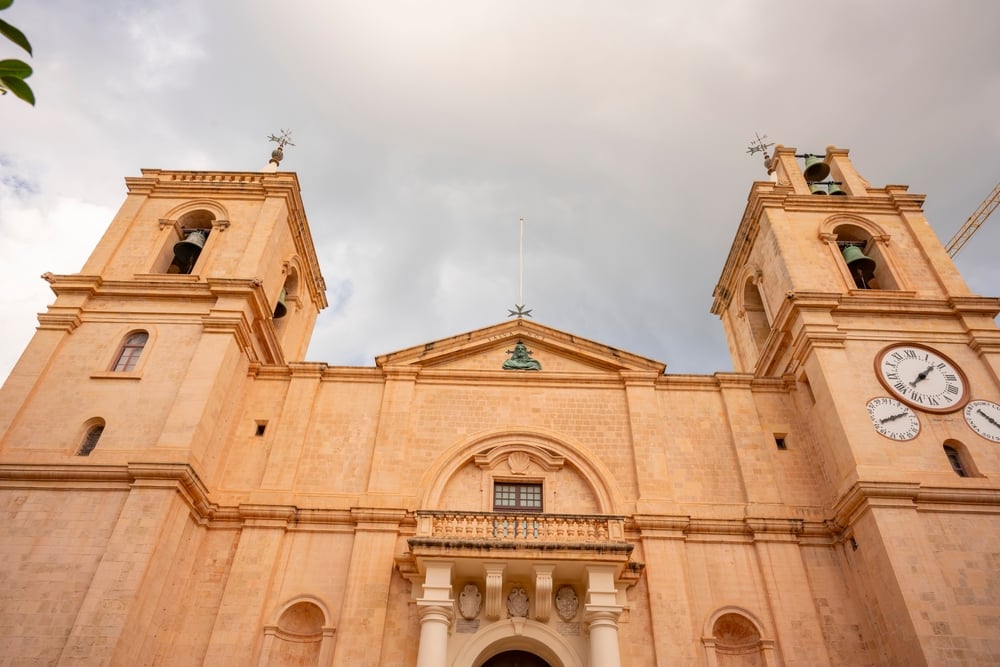
St. John’s Co-Cathedral is widely celebrated as one of the world’s most impressive examples of High Baroque architecture, its rather austere Mannerist façade completely concealing the sheer opulence within. Built between 1572 and 1577 as the conventual church of the Knights of St. John, the interior is lavishly decorated with gold leaf, intricate stone carvings, and a stunning vaulted ceiling painted by the Calabrian artist Mattia Preti.
Its floor is particularly unique, composed entirely of the inlaid marble tombstones of approximately 400 Knights, creating a vibrant, macabre tapestry. The cathedral’s Oratory also houses one of the most significant pieces of Baroque art: Caravaggio’s monumental masterpiece, The Beheading of St. John the Baptist.
Tickets are required; the fee for adult visitors is typically €15. There are reduced rates for seniors and students (€12), and children under 12 enter for free when accompanied by an adult. The entrance fee includes access to the magnificent Baroque interior, the Oratory (where Caravaggio’s masterpiece, The Beheading of Saint John the Baptist, is housed), the adjoining museum, and a comprehensive handheld audio guide.
Note: This is a place of worship. Visitors (tourists) pay the fee and enter through a side entrance. Those attending for ecclesiastical services (Mass) do not pay and enter through the main door. Visitors must be properly dressed (shawls are provided if needed), and stiletto or narrow heels are not allowed to protect the marble floor. It is highly recommended to purchase tickets in advance online or arrive early during peak season, as they limit the number of visitors inside the building.
Upper Barrakka Gardens and Saluting Battery
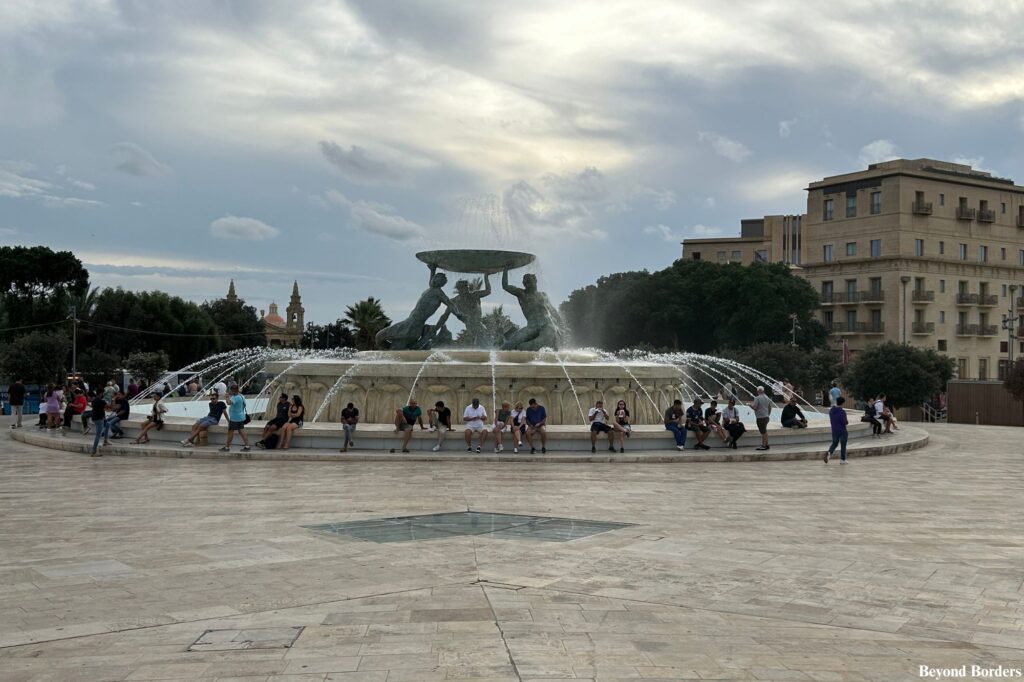
Perched atop the highest point of Valletta’s bastions, the Upper Barrakka Gardens provide the city’s most breathtaking panoramic views, overlooking the Grand Harbour and the fortified Three Cities across the water. Originally established in the 17th century as a private training and recreational ground for the Italian Knights, these elegant colonnaded gardens are now a public oasis for relaxation.
Directly beneath the main terrace is the Saluting Battery, where a centuries-old tradition continues with ceremonial cannons being fired daily at noon and 4pm, drawing crowds eager to witness the historical spectacle. A modern lift connects the gardens to the harbour level below, offering panoramic views of the Grand Harbour and the Three Cities and easy access to the waterfront. If you want, watch the noon gun salute ceremony!
Auberge de Castille
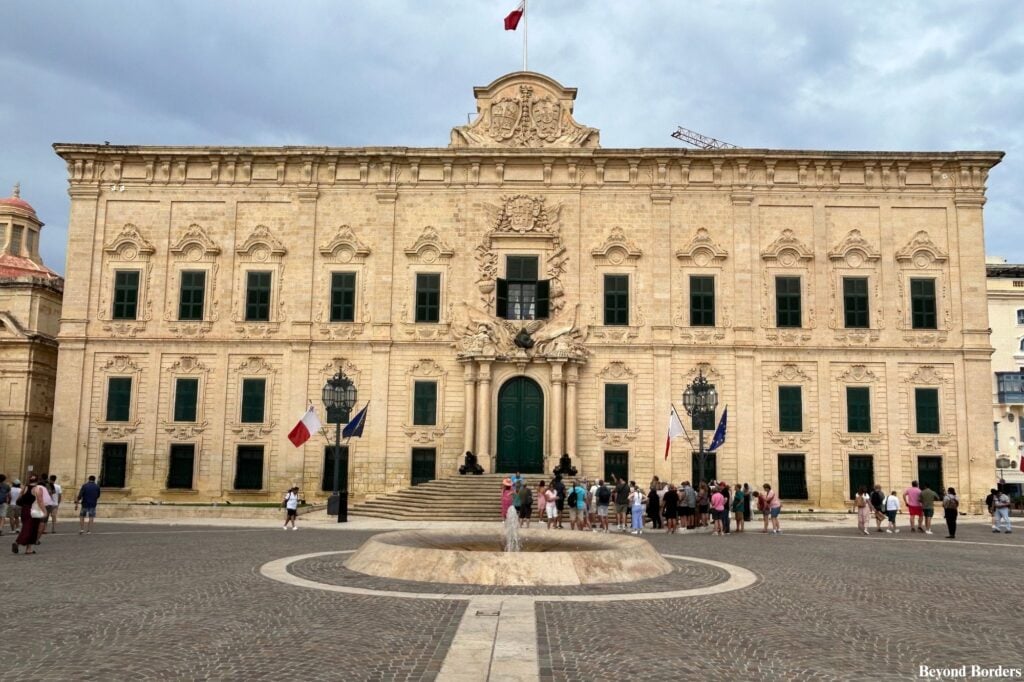
The Auberge de Castille, also known as Castille Palace, is often cited as one of the finest Baroque buildings in Malta. It was originally constructed in the 1570s to house the Knights of the Order of St. John from the language of Castile, León, and Portugal. The imposing structure visible today was extensively rebuilt in the 1740s under Grand Master Manuel Pinto da Fonseca, featuring a grand, ornate facade designed by Andrea Belli. Situated at the highest point of Valletta, offering impressive views of the Grand Harbour, this building transitioned from a military quarter during the British colonial period to its present-day function as the Office of the Prime Minister of Malta, symbolizing the political heart of the nation.
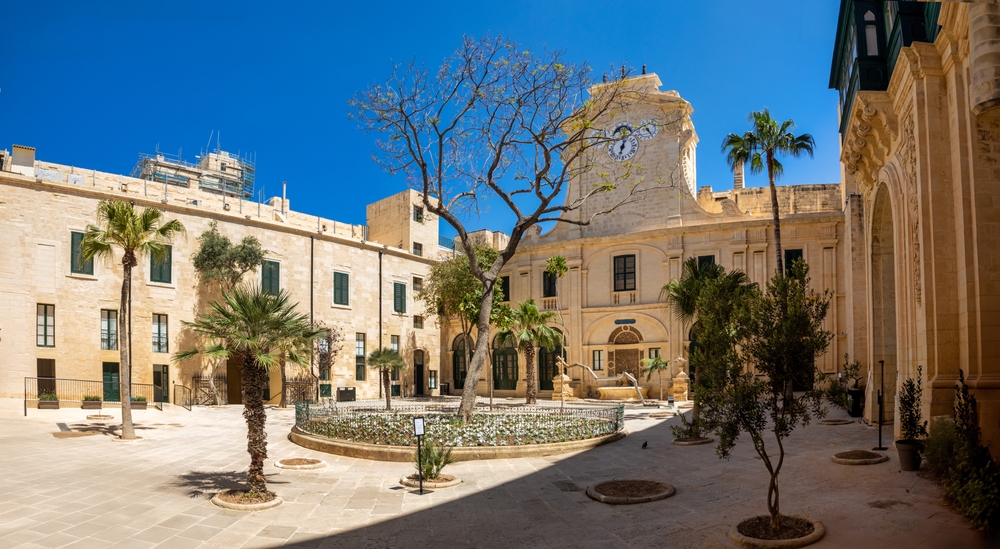
Grandmaster’s Palace
The Grandmaster’s Palace, located in the center of Valletta’s St. George’s Square, served as the official residence and administrative seat for the Grand Masters of the Order of St. John for over two centuries, beginning shortly after the city’s founding in 1566. Designed initially by Girolamo Cassar, the palace was continuously enlarged and embellished by successive Grand Masters, giving it its grand Baroque character.
After the Knights departed, it became the residence of the British Governor and later housed the Parliament of Malta until 2015. Today, it is the Office of the President of Malta, with its lavish State Rooms—famous for frescoes depicting the Great Siege—and the vast Palace Armoury open to the public as a major cultural and historical museum. Tickets are required to visit the Grandmaster’s Palace; purchase tickets online in advance here.
Afternoon: The Three Cities
Lunch
For a quick lunch, I recommend grabbing a traditional Pastizzi (savory pastry) from a local bakery, such as Jeff’s Pastizzeria. Other options nearby include San Paolo Naufrago, a pizza restaurant, and Grano, a sandwich shop.
Getting to the Three Cities
The most scenic way to reach the Three Cities is by water:
- The Ferry (Recommended): The ferry departs from the Valletta waterfront (near the Barrakka Lift exit) and takes about 10-15 minutes to reach Cospicua/Birgu, two of the three cities. A return ticket is very cheap and often includes the use of the Barrakka Lift.
- The Dgħajsa (Traditional Water Taxi): For a more historic and charming ride, opt for a small, colorful wooden dgħajsa (pronounced dye-sa)—Malta’s version of a gondola. It’s slightly more expensive but a unique experience.
The Three Cities: Vittoriosa, Senglea, and Cospicua
The Three Cities (known locally as Birgu, L-Isla, and Bormla) of Malta are older and quieter than Valletta, offering a glimpse into authentic Maltese life and the island’s earliest history with the Knights. All three are right next to each other and are actually interconnected by land, forming one unified, fortified area often called the Cottonera region.
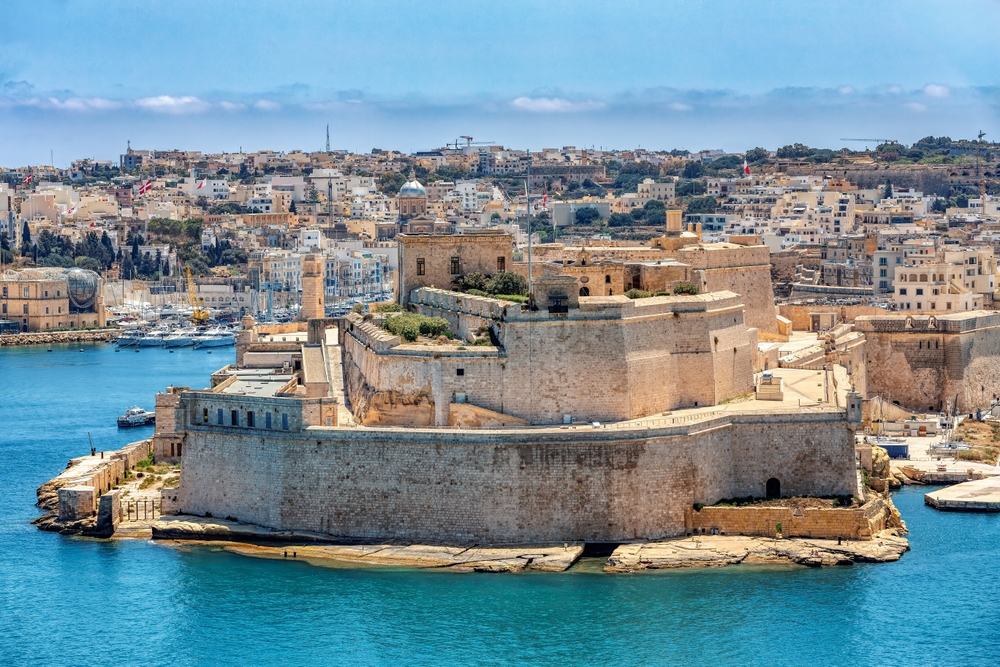
Birgu (Città Vittoriosa)
Birgu, officially known by its title Città Vittoriosa, is the oldest and most historically celebrated of the three fortified cities, having served as the base and de facto capital of the Knights of St. John upon their arrival in 1530. Its strategic location, culminating in the formidable Fort St. Angelo, made it the central focus of the Great Siege of Malta in 1565. Its successful, heroic defense against the Ottoman Empire earned it the moniker “Victorious City.”
Today, Birgu remains an open-air museum characterized by narrow, winding streets, the restored Inquisitor’s Palace, historic auberges, and a vibrant waterfront that has been converted into a large yacht marina, blending its ancient military glory with modern maritime life.
Senglea (Città Invicta)
Senglea, also known as L-Isla, is the smallest and most densely populated of the three cities, situated on a narrow, heavily fortified peninsula jutting into the Grand Harbour. It was built as a planned fortress city in the 1550s by Grand Master Claude de la Sengle and, like Birgu, played a pivotal, unyielding role in the Great Siege of 1565, earning it the corresponding title Città Invicta (“Unconquered City”).
Senglea is particularly famous for the stunning panoramic views it offers from the Gardjola lookout tower at its tip, which features carved eyes and ears symbolizing the city’s perpetual vigilance over the harbor.
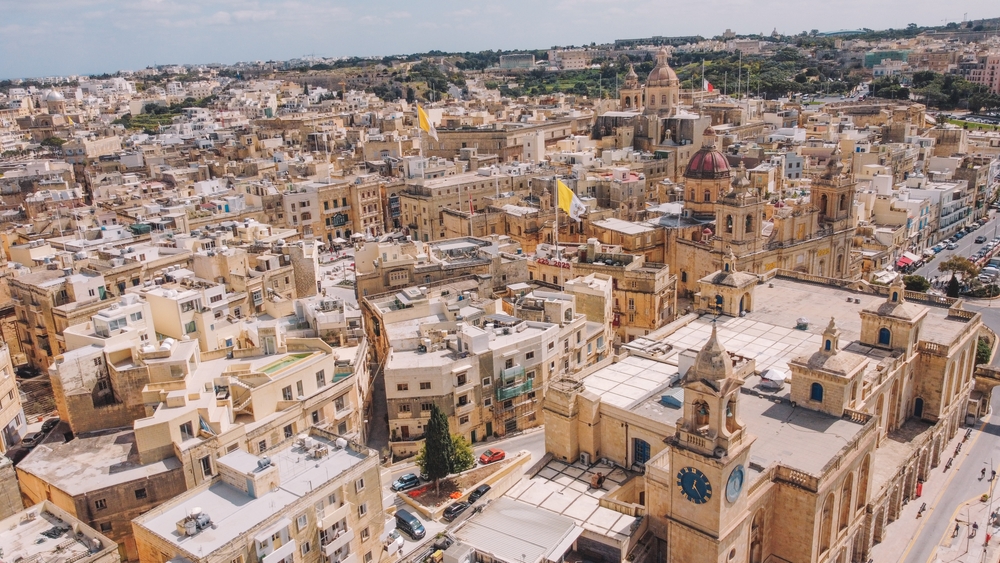
Cospicua (Città Cospicua)
Cospicua, known locally as Bormla, is the largest and most landward of Malta’s Three Cities, acting as the protective link between its two neighbors and having the longest maritime history, dating back to Phoenician times. Its modern history is defined by the massive defensive engineering undertaken by the Knights, notably the Cottonera Lines, an expansive set of fortifications built in the 17th century that surround Cospicua and its sister cities.
Though it suffered immense destruction during World War II due to its proximity to the historic dockyards—which have long been the industrial heart of the region—Cospicua retains a strong local identity, charming steep streets, and the prominent Parish Church of the Immaculate Conception.
Do I Need Tickets?
In case you are wondering, you do not need tickets or pay any entrance fees to simply walk around the three cities (Birgu, Senglea, and Cospicua). The cities are functioning neighborhoods, so exploring the narrow streets, admiring the architecture, and enjoying the panoramic harbor views (like from Gardjola Gardens in Senglea) is entirely free.
You would only need tickets if you choose to go inside specific attractions within the cities, such as:
- Fort St. Angelo (in Birgu)
- The Inquisitor’s Palace (in Birgu)
- The Malta Maritime Museum (in Birgu)
I recommend visiting Fort St. Angelo. This fort is a key historical and architectural gem in Malta, often considered the most significant landmark in the Grand Harbour. The fort played the decisive role in repelling the Ottoman invasion during the Great Siege. Its defense was critical to the Order’s victory, after which the new capital, Valletta, was built. Buy tickets on the official ticketing website.
Evening
Head back to Valletta for dinner. The Valletta Waterfront offers beautiful dining options, such as Browns Kitchen Valletta Waterfront or Grana Cucina – Valletta (closer to the Grand Harbour), or you can find more local, low-key spots in the side streets of Valletta.
If you want to eat somewhere new, consider driving to the nearby St. Julian’s/Sliema area to try places like Le Majoliche or L’ Ostricaio Paceville, St. Julians (Italian), or Zeri’s (Mediterranean).
Day 2: Medieval History & West Coast Views
Morning
Mdina and Rabat
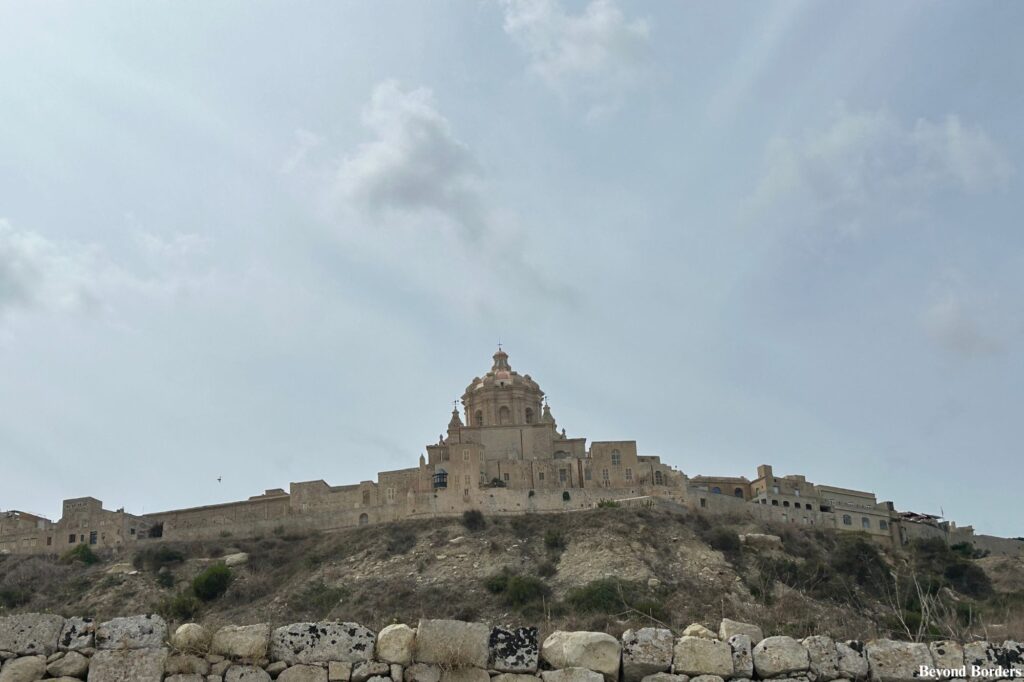
Mdina: The Silent City
Travel inland to Mdina, the former medieval capital. Explore its narrow, winding streets (known as sotto voce or ‘silent’ streets) and immediately soak in the unique atmosphere of quiet nobility. Visit the magnificent St. Paul’s Cathedral (tickets are required), a stunning baroque masterpiece designed by Lorenzo Gafà, built on the traditional site of the Roman governor Publius’s house. Take time to admire the marble floor tomb markers! You can buy tickets in person at the Cathedral Museum, a few meters away from the Cathedral. Tickets cost €15 per adult.
Next, ascend to the city walls near the main entrance (Mdina Gate) for spectacular, sweeping views of the entire island, a perfect photo opportunity. If you want, later peek into the courtyard of the Palazzo Falson Historic House Museum to appreciate preserved medieval architecture. If you think you have time, feel free to enter the museum for a closer look at historical artifacts; tickets are required and cost €12.50 per adult. You can buy tickets on site at the museum. Your ticket price includes an excellent audio guide, which is highly recommended for exploring the house’s 17 rooms and thousands of objects.
Rabat: The Neighboring Roman Town
Next, cross the road to the neighboring town of Rabat. Immediately visit St. Paul’s Catacombs, an extensive underground Roman cemetery. Allow ample time to explore the labyrinthine passages and learn about early Christian burial rites. Tickets are required; for adults, the standard price is typically around €6.00. There are reduced rates for children, senior citizens, and students. Buy tickets on the official ticketing website. Your single ticket grants access to the entire site, which is divided into two areas by the street—so make sure you explore both sides!
Later, visit the St. Paul’s Grotto (and the adjoining church/museum), the traditional site where St. Paul the Apostle is said to have stayed after being shipwrecked on Malta. This is a very significant religious site. A ticket is required to visit St. Paul’s Grotto, which is often included as part of a larger complex called the Wignacourt Museum Complex. Your ticket grants you access to these historical areas:
- St. Paul’s Grotto
- The Wignacourt Museum (containing religious art and artifacts)
- World War II Air Raid Shelters
- Some adjacent Punic and Roman Catacombs (separate from the main Heritage Malta Catacombs).
The general adult price is typically around €5 to €6; you can purchase tickets directly on-site when you arrive at the Wignacourt Museum in Rabat.
Note: St. Paul’s Grotto is NOT included in the ticket to St. Paul’s Catacombs, although they are very close to each other.
Lunch
Enjoy a meal with views from a cafe in Mdina, such as Fontanella Tea Garden or Mediterranean cuisine at Root 81.
Afternoon
Dingli Cliffs
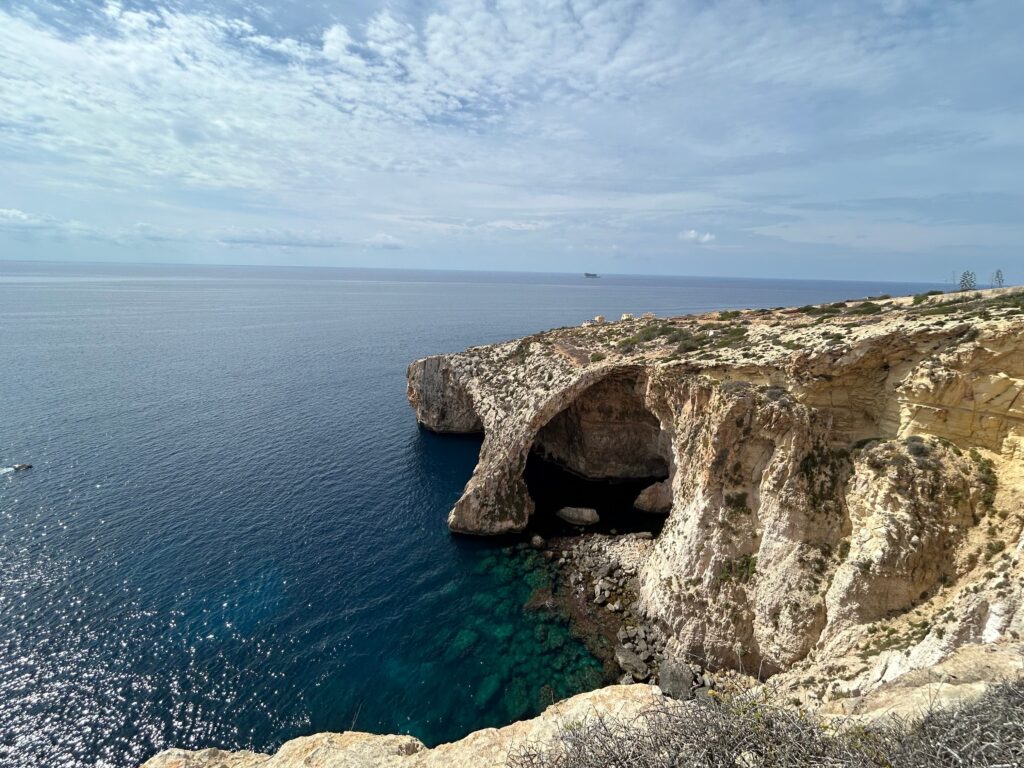
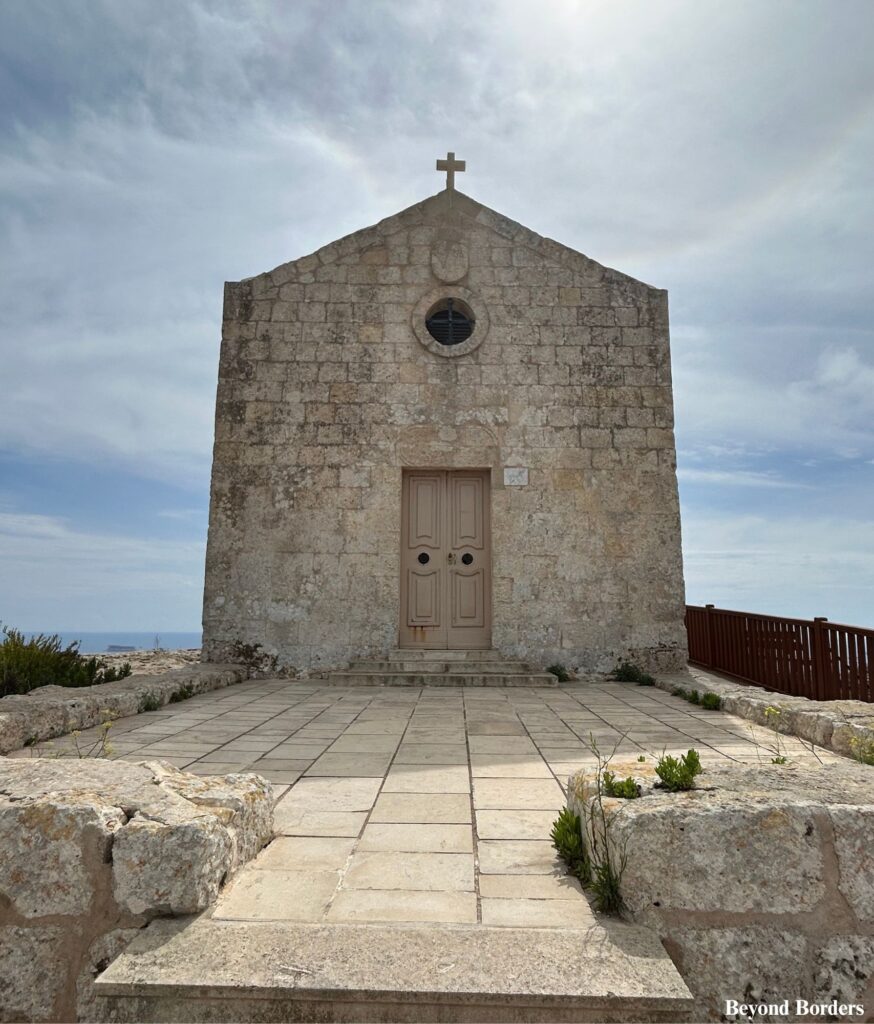
Head to the Dingli Cliffs, the highest point in Malta (approximately 253 meters above sea level), for breathtaking coastal views and a short, easy walk. The views extend across the vast Mediterranean and offer a dramatic perspective, often including the small, uninhabited islet of Filfla. Look for the tiny, lone Chapel of St. Mary Magdalene, perched right on the edge of the cliffs. You will also see a distinctive, large white dome, which is a civilian air traffic control radar station. You will also be able to see boats heading towards Blue Grotto, which you will visit tomorrow! You don’t have to spend a long time here; I recommend 30 minutes maximum.

Optional Short Stop: Buskett Gardens
Just a short drive or walk inland from the cliffs are the Buskett Gardens. These are one of the few truly wooded areas in Malta, offering a lovely, quiet, and green contrast to the open cliffs and the silent stone of Mdina. This is a perfect spot for a final peaceful stroll, particularly if you have time before moving on to your next main activity!
Golden Bay Beach
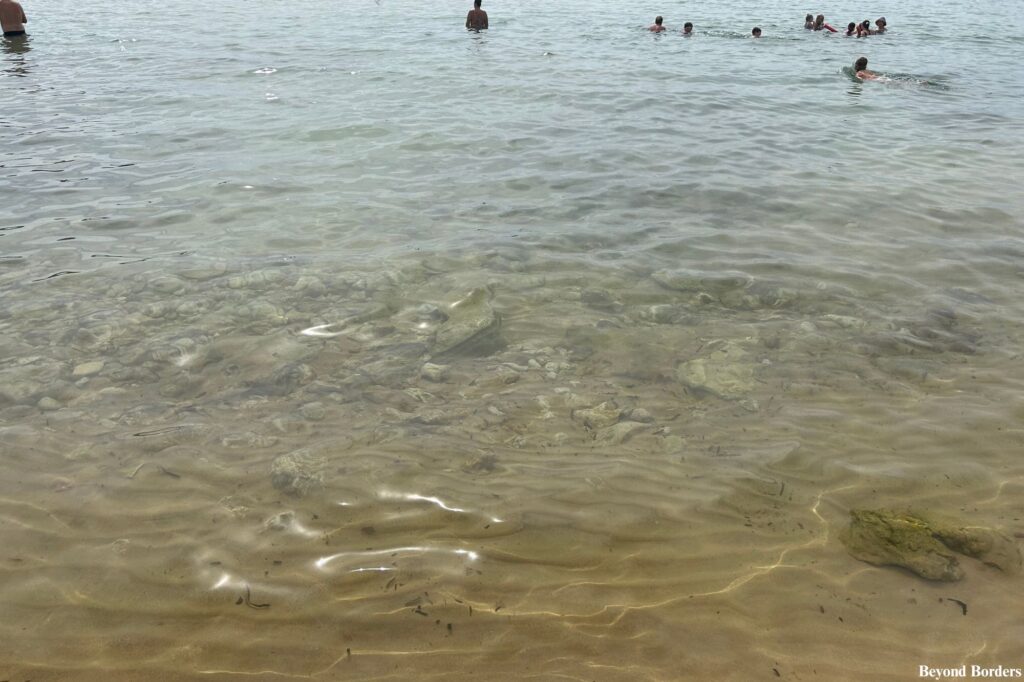
Travel northwest to Golden Bay, Malta’s most famous beach, easily recognizable by its stunning reddish-gold sand, which gives the bay its name. It is one of the most popular and largest sandy beaches in Malta! The water here is known for being clear and relatively shallow near the shore, making it great for a refreshing swim. Swimming Note: If you choose to swim, exercise caution near the water entry point, as the shoreline sometimes transitions quickly to slippery or uneven rock shelves. Golden Bay is a fully serviced beach. You’ll find plenty of facilities, including sunbed and umbrella rentals, public restrooms, and a choice of cafés and restaurants right on the sand for a late lunch or early dinner.
Due to its size and accessibility, Golden Bay has a lively, resort-like feel. It’s an ideal spot if you want amenities and action. If you prefer something quieter, consider walking south over the adjacent hill to the more rugged and picturesque Ghajn Tuffieha Bay (Riviera Beach), which is only a 15-minute walk away. If your timing allows, the beach faces west, making it one of the absolute best spots on the island to watch the sunset over the Mediterranean Sea.

Evening
Consider a traditional Maltese dinner at Ta’ Kris Restaurant, Gozitan Restaurant, or Mananni Maltese Restaurant, all located a bit north of Valletta, outside of main tourist areas.
Day 3: Southern Charm & Ancient Wonders
Morning
Marsaxlokk
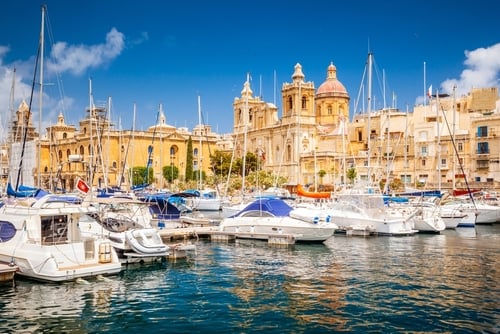
Visit Marsaxlokk (pronounced Mar-sa-shlok), Malta’s largest fishing village. The harbor is instantly recognizable due to the hundreds of brightly painted Luzzu fishing boats, characterized by the ancient tradition of having the mythical Eye of Osiris painted on their bows for good luck and protection at sea. Take your time walking along the waterfront to admire these colorful vessels. The village offers a wonderful, authentic contrast to the grand, walled cities of Valletta and Mdina, providing a glimpse into traditional Maltese coastal life.
Also experience the vibrant, sprawling waterfront market (especially lively on Sundays, when it’s much larger and sells everything from produce to souvenirs). Even on weekdays, you’ll find stalls selling fresh fish, local honey, and traditional Maltese crafts.
Since Marsaxlokk is the heart of Malta’s fishing industry, it is the best place to enjoy extremely fresh seafood. I recommend sitting down for a meal at one of the quayside restaurants to try the daily catch (known as A La Cartoccio) or the traditional fish soup (Aljotta).
Late Morning
Blue Grotto
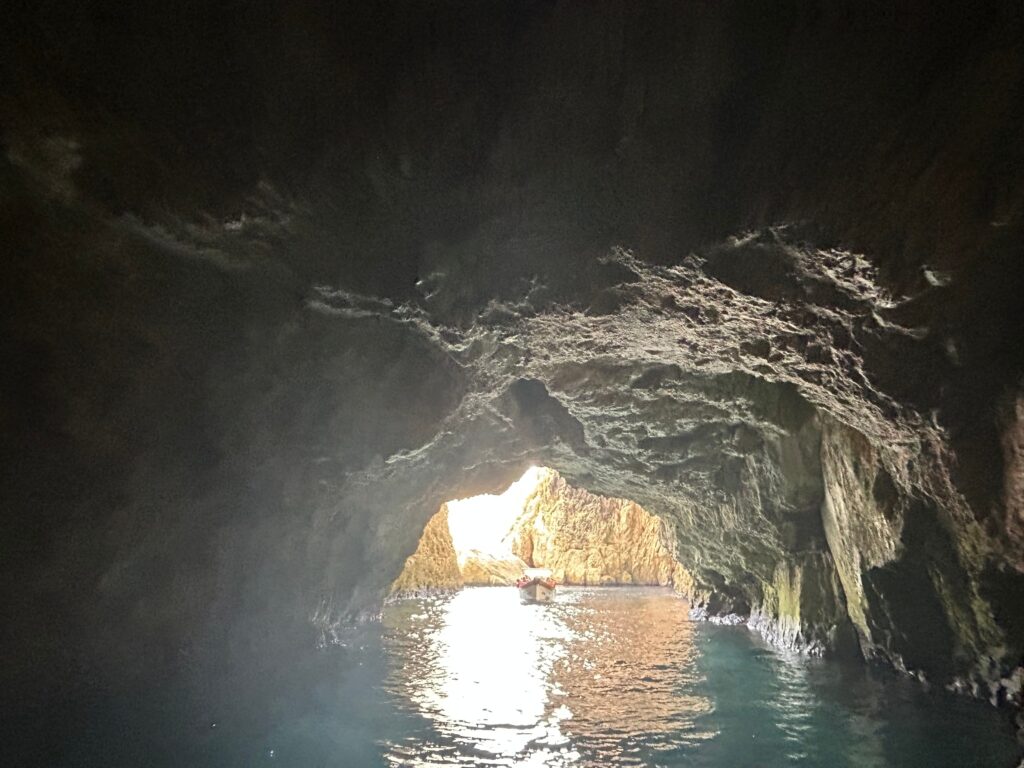
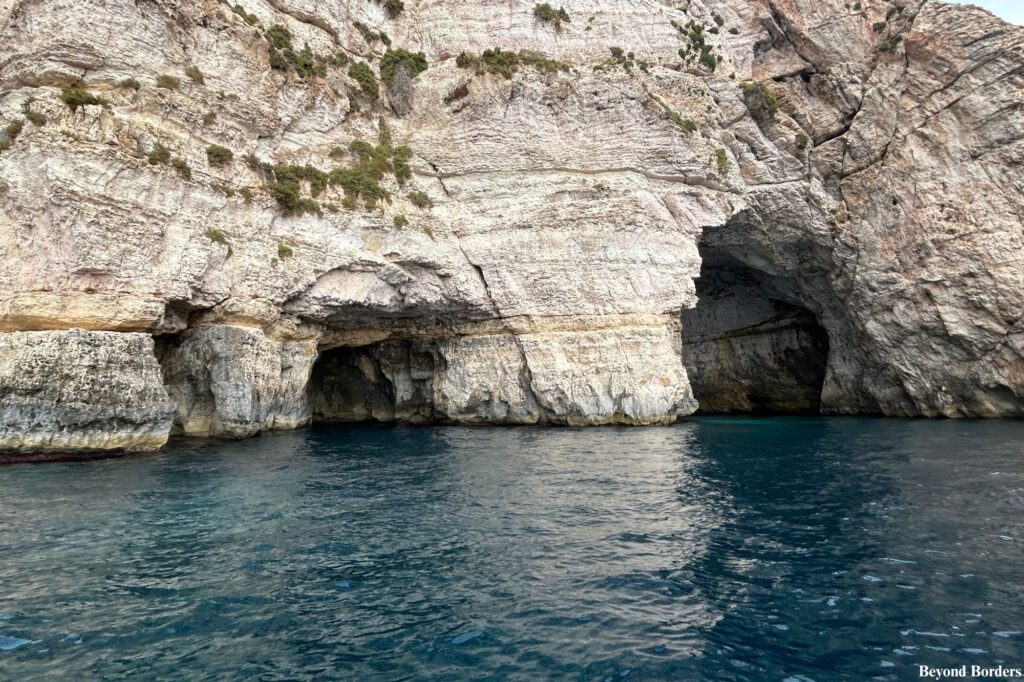
The Blue Grotto is not one cave, but a complex of six sea caves—including the main cavern (the Grotto)—located on the southern coast near Wied iż-Żurrieq. The entire formation is famous for its stunning azure water and remarkable bioluminescent-like glow. The only way to truly appreciate the Grotto is by taking a short, approximately 20-minute boat trip (operated by local fishermen) from the tiny harbor of Wied iż-Żurrieq.
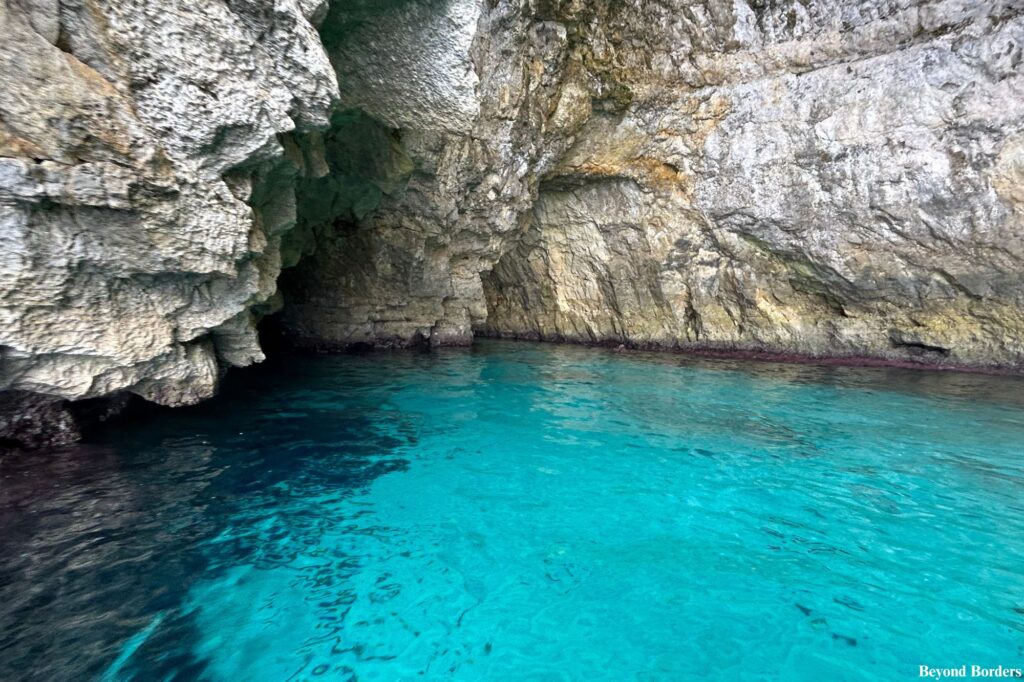
The color effect is most spectacular between 10:00am and 1:00pm when the sun is highest. The water achieves its brilliant, otherworldly fluorescent blue color because the position of the main cave, along with the high angle of the sun, allows sunlight to penetrate the caves, reflect off the white, sandy bottom, and illuminate the water with dazzling turquoise and phosphorescent blue hues. Inside the caves, the ceilings reflect various shades of light, and the walls display orange, purple, and green minerals, offering fantastic photography opportunities.
Ticket Details
Tickets for the Blue Grotto boat tour must be purchased onsite at the small ticket booth located right near the harbor entrance in Wied iż-Żurrieq. They are generally inexpensive (around €10 to €15) and can only be bought in person on the day of your visit. There is typically no online pre-booking. The boat tours are weather-dependent and do not operate in rough seas, so it’s always wise to check the weather or call ahead if conditions seem questionable.
Getting to the Blue Grotto: Parking vs. Taxi
The Blue Grotto boat tours depart from the tiny harbor of Wied iż-Żurrieq. While a rental car offers the most flexibility for this part of the island, be prepared for the area’s main challenge: parking. There is a dedicated lot (“Blue Fitzi Parking”) right at the entrance to the village, but it is often completely full during peak summer months, and the traffic leading into the area can be difficult.
I recommend arriving before 9:00am to secure a spot and beat the crowds for the best lighting of the water (the high angle of the sun allows light to penetrate the caves and reflect off the white, sandy bottom, creating the incredible fluorescent blue effect as shown in the photo above).
Afternoon
Lunch
Before heading to the two temples later, I recommend eating near Blue Grotto at Coast @ Cassarini Restaurant or Azul Restaurant, both serving Mediterranean cuisine.
Ħaġar Qim and Mnajdra Temples
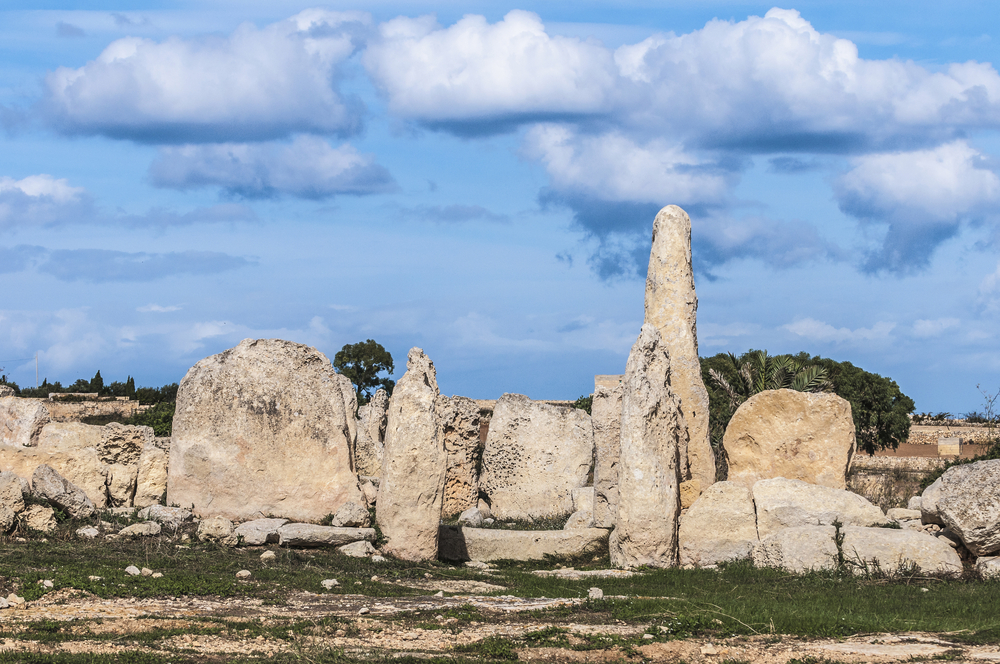
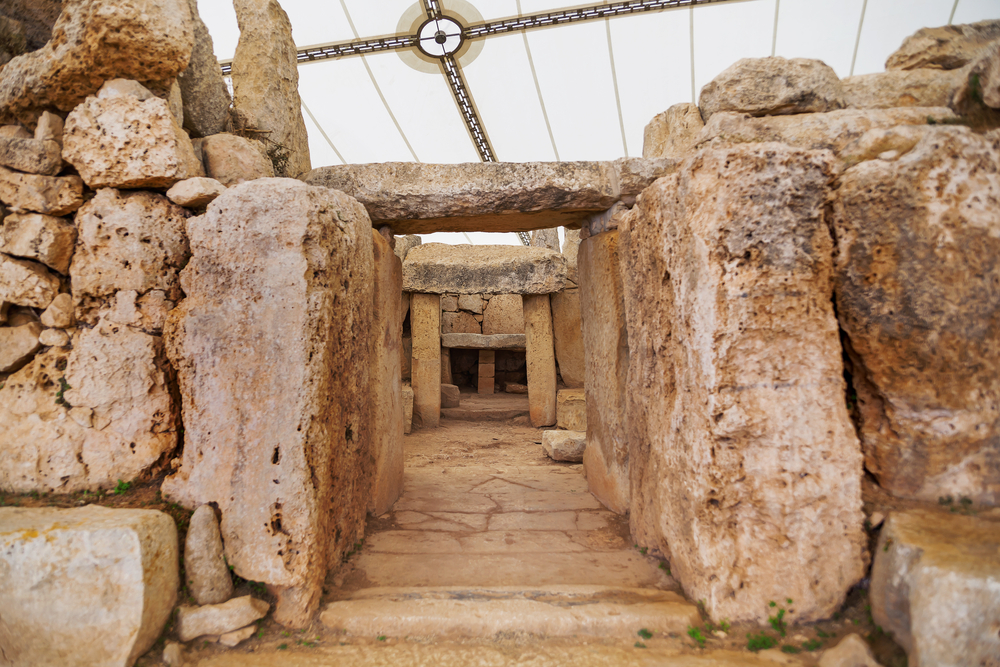
These two sites are UNESCO World Heritage Sites and are among the oldest free-standing stone structures in the world, predating the Pyramids of Giza. They were built during the prehistoric temple-building phase of Malta (c. 3600–2500 BCE). Both temples sit in a breathtaking, rugged coastal setting, offering dramatic, uninterrupted views of the sea and the uninhabited island of Filfla.
Both temples are now covered by large, protective tensile tent structures. This is crucial for protecting the fragile limestone from the elements. While the structures block some of the direct sunlight, they ensure the temples remain preserved and viewable.
Ħaġar Qim (The Standing Stones)
This temple is characterized by massive, curved megaliths and features a beautifully preserved, elaborate entrance complex. It is famous for an oval-shaped hole (known as an ‘oracle hole’) that is thought to have been used to communicate with the deities.
Mnajdra (The Alignment)
Located only a short, scenic walk downhill from Ħaġar Qim, Mnajdra is equally stunning. It is particularly known for its precise astronomical alignment. On the equinoxes (March 21st and September 21st), the sun rises and shines directly through the main doorway, perfectly illuminating the inner axes of the temple structure.
Ticket Details
Tickets must be purchased at the modern Visitor Centre, which serves as the entry point for both temple complexes. A single ticket grants access to both Ħaġar Qim and Mnajdra, which are linked by a pathway. It is highly recommended to purchase tickets online in advance on the official website (especially during peak season) to secure your entry time and avoid long lines.
Evening
Enjoy a final Maltese meal in Valletta before heading home! Consider Maltese restaurants like Sotto Pinsa Romana Valletta, Zero Sei Trattoria Romana, one80 St.Christopher Str. Valletta, or Palazzo Preca Restaurant.
Where Should You Stay?
All of these accommodation options are located in/around Valletta.
Luxury: Iniala Harbour House & Residences; The Phoenicia Malta
Guests praised the Iniala Harbour House & Residences beautiful rooms, exceptional service, and location overlooking the Grand Harbour. The Phoenicia Malta is located just outside Valletta, and guests loved the well-maintained property, great service, and clean and beautiful rooms.
Mid-Range: Hilton Malta; The Westin Dragonara Resort, Malta
Guests at Hilton Malta praised the hotel’s beautiful exterior, attentive staff, and breakfast. Guests at the Westin Dragonara liked the clean rooms, the amenities, and the location.
Budget: La Falconeria Hotel; Mandera’s Boutique Suites & Dorms
Guests at La Falconeria Hotel liked the location, kind staff, and breakfast. Guests at Mandera’s Boutique Suites and Dorms liked the attentive staff, clean rooms, and location.
Alternative Attractions
If you have extra time, want to try something else, or if any attractions are too crowded for your liking or are unexpectedly closed, here are some other things to do:
Festivals
Malta Biennale 2026 (March 11 – May 29)
The second edition of the Malta Biennale transforms the archipelago into a Mediterranean art hub for nearly three months. Titled “Clean | Clear | Cut,” the 2026 festival uses UNESCO-listed historic sites—including the Grandmaster’s Palace in Valletta and the Ċittadella in Gozo—as galleries for contemporary art. It is a rare chance to see cutting-edge installations from international artists set against the backdrop of 8,000 years of history. If you are visiting in the spring, look for the “National Pavilions” scattered throughout the Three Cities for the most immersive experience.
Festa Frawli (April 12, 2026)
If you are in Malta in mid-April, a trip to the agricultural village of Mġarr is essential for Festa Frawli. This beloved local festival celebrates the peak of the strawberry harvest. The village square becomes a sea of red, with stalls selling everything from fresh-picked berries to strawberry-infused wine, jams, and gourmet pastries. For a 2026 “insider” tip: the prehistoric temples of Ta’ Ħaġrat and Skorba (located right in Mġarr) often host special guided tours on this day, allowing you to pair ancient history with the island’s sweetest culinary tradition.
Malta International Fireworks Festival (April 20 – April 30, 2026)
The Malta International Fireworks Festival is a high-octane celebration of the island’s centuries-old pyrotechnic craft. Over ten nights, the skies over the Grand Harbour, Gozo, and Comino are lit up by world-class displays synchronized to music. The 2026 event is set to be particularly grand, with the Grand Finale on April 30 in Valletta. For the best views, head to the Upper Barrakka Gardens early or book a boat cruise to watch the spectacle from the water. It is a loud, colorful, and quintessential Maltese experience that you won’t want to miss.
Is-Suq Tal-Belt – Valletta Food Market
Is-Suq Tal-Belt is a historic Victorian landmark in Valletta that has been meticulously restored and repurposed into a modern, high-quality food hall. It provides a contemporary, social dining experience housed within striking 19th-century architecture. Located on Merchant Street (Triq Il-Merkanti), it’s centrally located and easily accessible from St. John’s Co-Cathedral, the Grand Master’s Palace, and the Upper Barrakka Gardens.
The market also offers a lively, social atmosphere—a great contrast to the quiet, dignified museums you’ve visited. It’s a superb place to observe local life and modern Maltese culture! Since this is a food hall, you can drop in for a quick coffee, a full lunch, or an informal dinner. It doesn’t require pre-booking or a set time commitment like a museum. If you encounter unexpected rain (or intense midday heat), the market provides excellent covered, air-conditioned shelter.
The market is spread across three distinct levels, offering a variety of environments:
1. The Ground Floor (Food Stalls)
This is the heart of the market. The ground floor is lined with multiple vendors offering a wide range of international and local cuisines. You can choose from traditional Maltese cuisine (think pastizzi, savory pies, and local stews), Mediterranean and Italian cuisine (pizza, pasta, and fresh seafood dishes), and international cuisine (Asian cuisine, burgers, and contemporary fusion food). You order directly from the stall and the food is generally prepared quickly, making it ideal for a fast, delicious, and diverse meal.
2. The Basement (The Original Market)
This lower level historically housed the fresh produce and fish markets. In the modern iteration, it is often used for grocery shopping, smaller deli counters, and local artisan goods. While sometimes less busy than the ground floor, it retains the atmosphere of a traditional market hall.
3. The First Floor (The Dining Area)
This upper level is dedicated entirely to seating. It provides an excellent vantage point to view the bustling market below. It’s a great spot to grab a table and enjoy your meal in comfort, often with large windows letting in natural light.
St. Peter’s Pool
St. Peter’s Pool is one of the most stunning and unique swimming spots in Malta! It is a beautiful, naturally carved, flat rock inlet located on the tip of the Delimara peninsula in the south of the island, near the fishing village of Marsaxlokk. It is famous for its turquoise, crystal-clear water and its distinctive shape, which resembles a natural swimming pool. The water here is incredibly clear, making it a prime location for snorkeling; you can easily spot fish and marine life.
Because of the way the inlet is formed, the water usually remains quite calm, even if the sea outside the bay is rough. The surrounding rock formation is mostly flat and smooth, creating a perfect, natural sunbathing deck. The cliffs surrounding the pool are not overly high, making it a favorite spot for cliff diving and jumping into the deep, clear water. There are usually ladders installed to help swimmers get back onto the rocks.
Visit on a calm day (little to no wind) to enjoy the clearest, stillest water. If the wind is strong, particularly from the southeast, the waves can make the jumping and swimming experience less safe. Additionally, visiting in the early morning or late afternoon are best to avoid peak crowds and the intense midday heat. If you want to visit, I recommend going to Marsaxlokk, where you can enjoy an incredible seafood lunch before or after your swim!
Note: Unlike Malta’s sandy beaches, St. Peter’s Pool is completely undeveloped. There are no nearby facilities—no public restrooms, no shops, and no sunbed rentals. You must bring your own water, snacks, sunscreen, and shade (if desired). If you plan to spend some time there, pack a small lunch.
Getting to St. Peter’s Pool requires a bit more effort than reaching a popular beach like Golden Bay:
By Car: This is the most straightforward option. You can drive right up to a parking area near the pool, but be aware that the last part of the road is unpaved and can be quite bumpy. Also, during the peak summer season, there are often locals offering to “watch” your car for a small fee (€1–€2).
By Boat (Recommended): You can take a small boat taxi from the nearby village of Marsaxlokk. This offers a scenic route and is an easy way to avoid the rough, unpaved road, and the boat ride is typically short and relatively inexpensive.
By Public Transport & Walk: Take a public bus to Marsaxlokk. From the main square, you face a long walk (about 30-40 minutes) to reach the pool itself. The walk is beautiful, but it can be very hot in the summer sun.
Popeye Village
Popeye Village is completely different from the ancient temples and Baroque palaces, making it a great alternative option for some lighthearted fun. Popeye Village is an actual movie set, originally built in 1979 for the production of the 1980 musical feature film Popeye, which starred Robin Williams. It is located in Anchor Bay on the northern coast of Malta. The set has been preserved and converted into a charming, colorful, family-friendly theme park. You can walk through the original buildings, visit the bakery, the post office, and the dentist, and take great, quirky photos.
Throughout the day, actors dressed as Popeye, Olive Oyl, and other characters perform interactive shows, puppet shows, and animation displays. There is also a cinema that continuously screens a documentary about the making of the 1980 Popeye film, giving context to the incredible effort involved in building the set.
During the summer months (typically June to September), the village offers swimming in the bay, sunbathing areas, and inflatable water parks anchored in the sea. It essentially turns into a fun beach club built around a movie set. The summer months are the busiest but offer the best value due to the swimming and water-based activities. If you are visiting off-season, expect fewer crowds and primarily land-based shows/activities. Plan to spend around 2 to 4 hours here if you want to go, depending on whether you swim and attend all the shows. The easiest way to get here is to drive, as there is ample parking.
Conclusions
In only 72 hours, you have traced 7,000 years of history, from the awe-inspiring megalithic stones of Ħaġar Qim to the ancient burial grounds of Rabat. You’ve walked the noble, silent streets of Mdina and wandered through the Baroque magnificence of Valletta and the Three Cities, all while soaking up the sun and the stunning natural colors of the Blue Grotto and Golden Bay.
Malta may be small, but its ability to pack millennia of dramatic history, vibrant culture, and breathtaking Mediterranean beauty into a single, compact island is what makes it a truly unique destination. This itinerary provides a comprehensive taste of the island’s soul—a perfect whirlwind adventure. Now that you’ve covered the best of the mainland, are you ready to plan a return trip to explore the tranquil sister island of Gozo?