Introduction
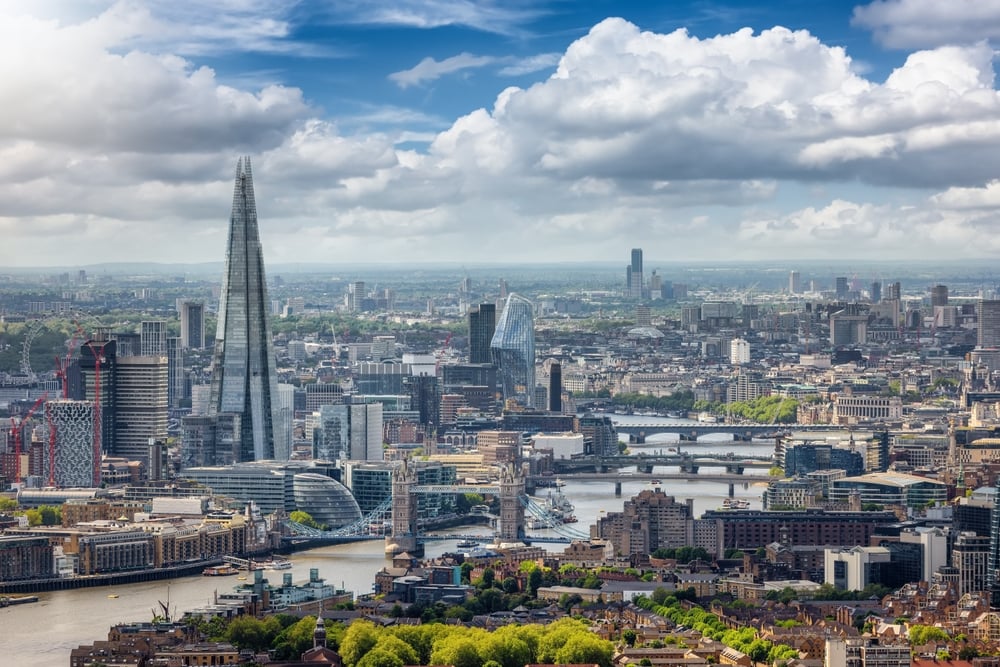
London is a city of endless layers, where historic royal palaces sit just steps away from cutting-edge skyscrapers and world-class museums. Whether you’re dreaming of seeing the changing of the guard at Buckingham Palace, wandering through the vibrant stalls of Borough Market, or catching a show in the West End–which is one of the few experiences that can truly rival the magic of New York’s Broadway—the sheer scale of the UK capital can be daunting to plan for. That’s why 5 days in London is the perfect amount of time to truly immerse yourself in the city’s energy.
This itinerary is designed to help you navigate the iconic landmarks and discover the quiet, local neighborhoods in between–ensuring you experience the very best of London without feeling rushed. Make sure to stick around until the end of the itinerary, where I’m breaking down my must-eat food recommendations (including the legendary English breakfast at Regency Café) and sharing my honest take on whether London’s Chinatown actually lives up to the hype.
Disclaimer: This post is not sponsored. This post contains affiliate links. If you book through these links, I may earn a small commission at no extra cost to you. This helps me continue sharing guides like this one. I only recommend places I’ve researched and/or personally love.
Important Notes
This itinerary keeps in mind four full days to explore London, with a day trip. There are no time constraints in this itinerary, allowing you to explore the city at your own pace and keeping in mind potential traffic and the lengths of different tours you might choose. I also offer restaurant recommendations and several alternatives to many attractions.
Using the London Underground (the “Tube”/metro)
The London Underground (known as the tube) is the oldest metro system in the world, opening in 1863. Since 2014, metro users have been able to pay with contactless credit/debit cards. You can also get an Oyster card, which I talk more about below.
Eleven lines make up the metro. While the London Underground might seem overwhelming at first glance, the system is very straightforward to use. At each station, there are signs that clearly indicate in which direction trains are heading. Some signs list each station on a route so you can see how many stops you have to take before getting off the train. If you ever get confused, don’t hesitate to ask station staff for assistance; they are generally very helpful and accustomed to assisting tourists.
Additionally, navigating your arrival can be the most stressful part of the trip. To save both time and money when you land, check out my guide on how to quickly and cheaply travel from the airport to the city center, which includes a full breakdown for London’s Heathrow Airport (LHR).
Map
I have organized this itinerary by day, featuring over 30 color-coded pins for attractions/landmarks, parks, restaurants, and some ice cream shops!
How to Use & Save This Map
To make your trip to London even easier, you can save this custom map directly to your Google Maps app:
- Open the Map: Click the [ ] icon in the top right corner of the map above to open it in full-screen mode.
- Save to Your Account: If you are signed into your Google account, the map will automatically be saved to your “Your Places” or “Saved” list.
- Access on the Go: On your phone, open the Google Maps app, tap the “Saved” (or “You”) tab at the bottom, scroll down to “Maps,” and select “London 5-Day Itinerary” to see all these pins while you’re walking!
- Pro-Tip: If you have limited data or a spotty connection, you can download the “London” area for offline use in your Google Maps settings so you never lose your way.
Day 1
Tower of London
How to get here: Take the metro to Tower Hill station. You will see signs that direct you to the Tower of London!
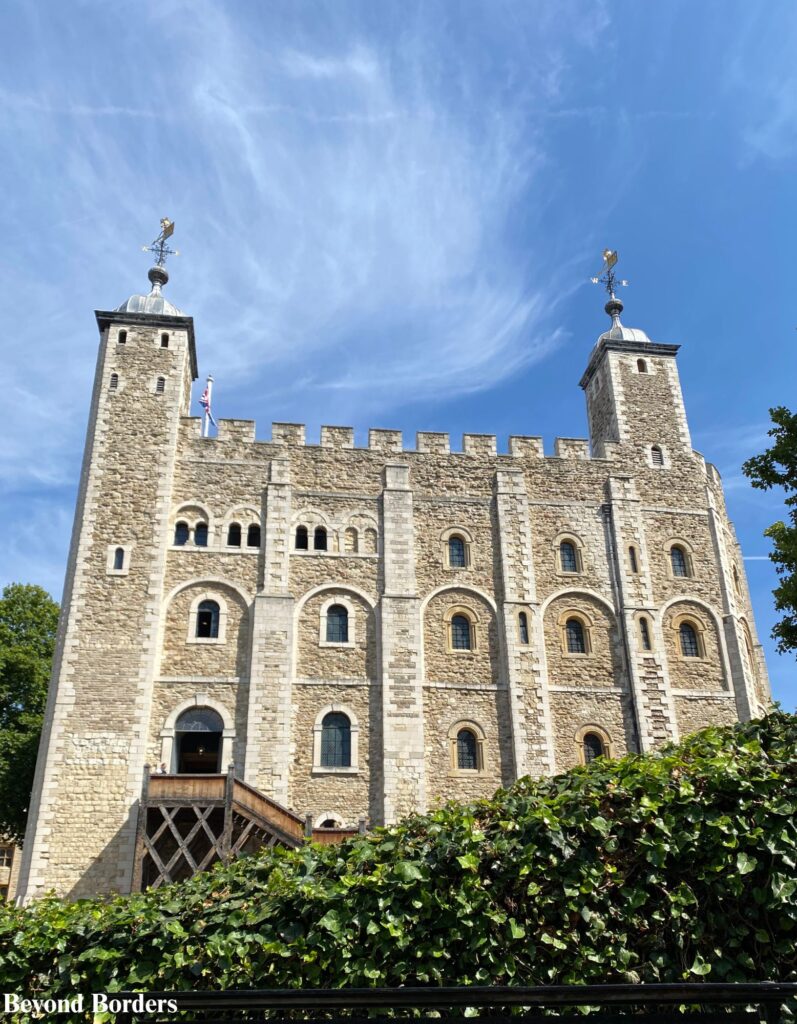
The Tower of London is a combination of a historic fortress, a royal palace, and a prison built by William the Conqueror after 1066. It is where several politically significant prisoners were executed and has been home to the Crown Jewels since the 17th century. Tickets cost £37 per adult and £18.50 per child ages 5-15; purchase tickets here.
PRO-TIP: Wait in line to see the Crown Jewels first; the line will get longer as time passes. When I visited, I had to wait for over an hour in line.
Important Note: You are NOT ALLOWED to take any photos of the Crown Jewels, including photos without flash.
Tower Bridge
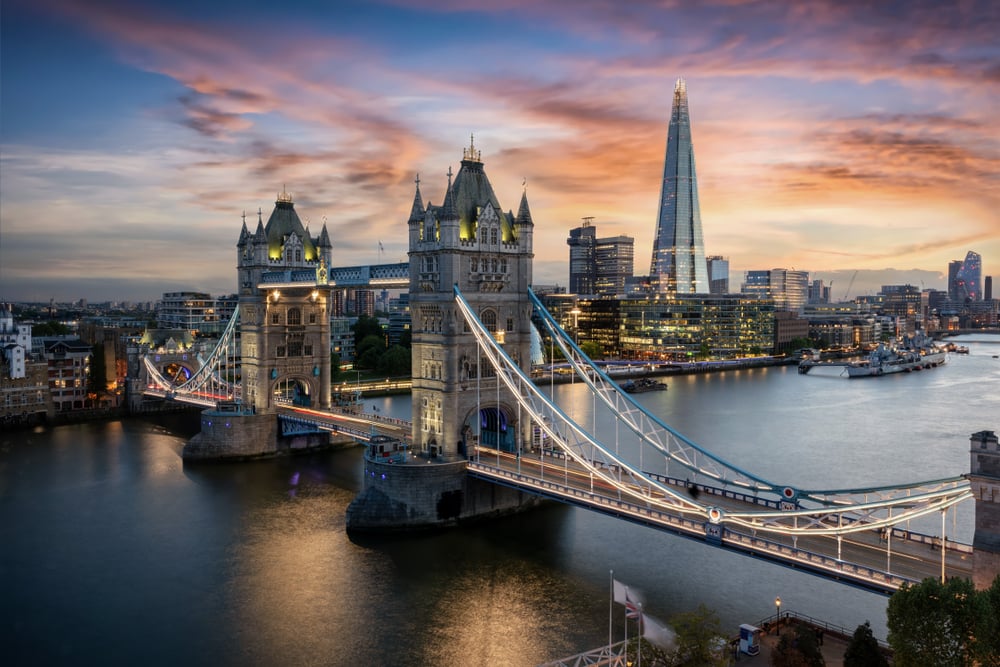
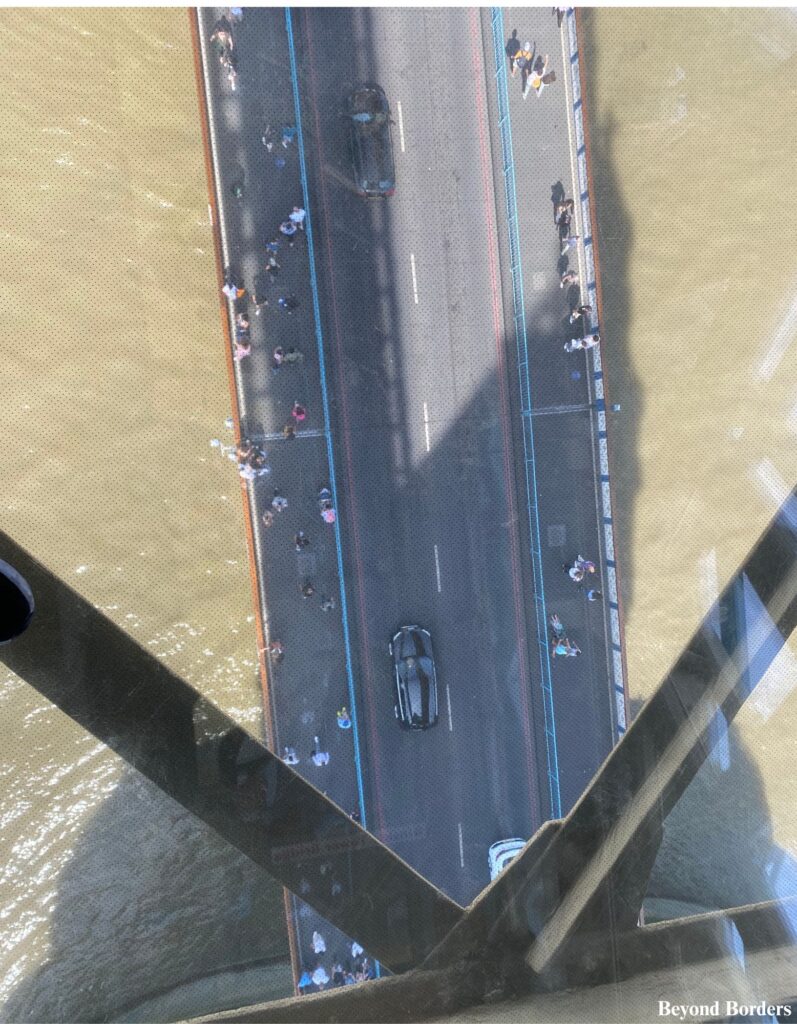
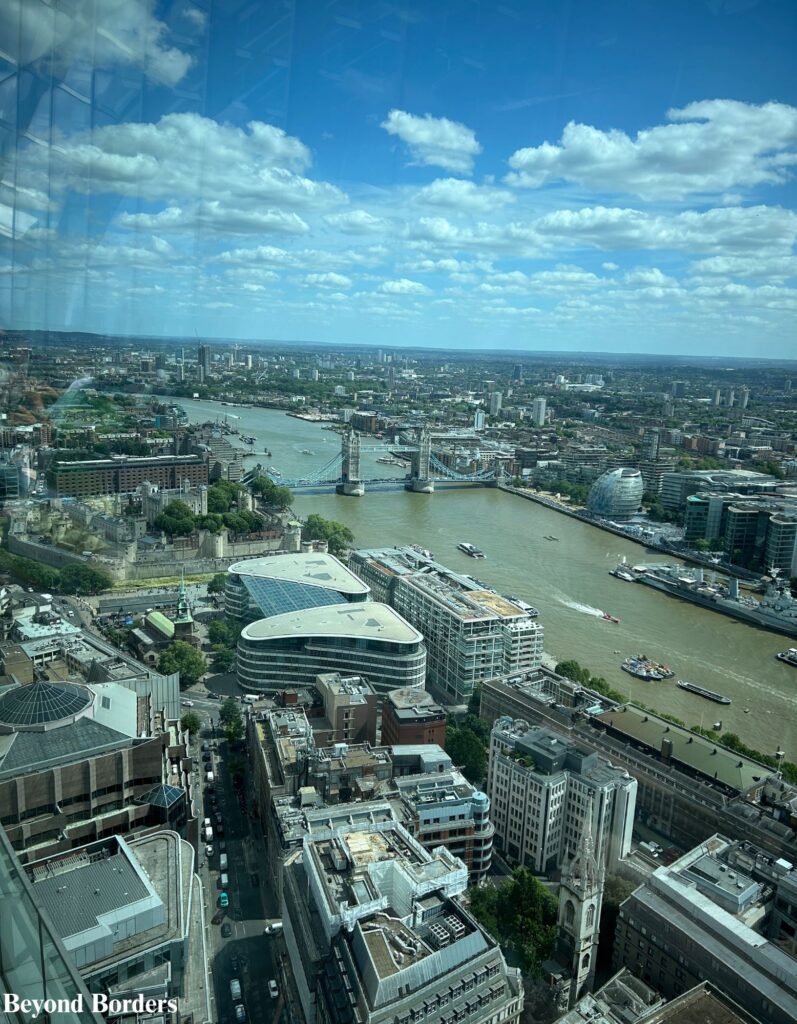
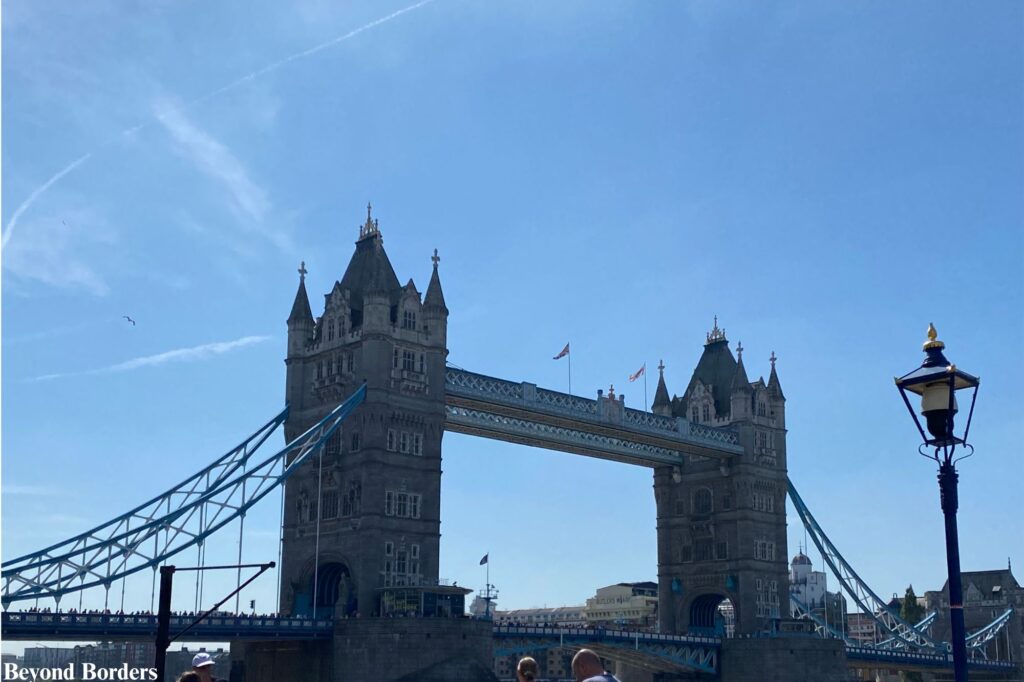
Tower Bridge is right in front of the Tower of London. If you want to walk across the bridge, it is free to walk the ground-level walkways. Tickets are required if you want to walk across the high-level walkways at the top of the bridge. This includes walking across a glass floor and seeing Victorian engine rooms, which have the original steam engines that powered the bridge lifts. You will also see exhibitions and displays about the history and construction of Tower Bridge. Tickets must be purchased for the Tower Bridge Exhibition. Tickets are £16 per adult; purchase tickets here.
Sky Garden
How to get here: Walk 10 minutes west onto Great Tower Street, and you will see The Fenchurch Building (The Walkie-Talkie). This is the building that has Sky Garden.
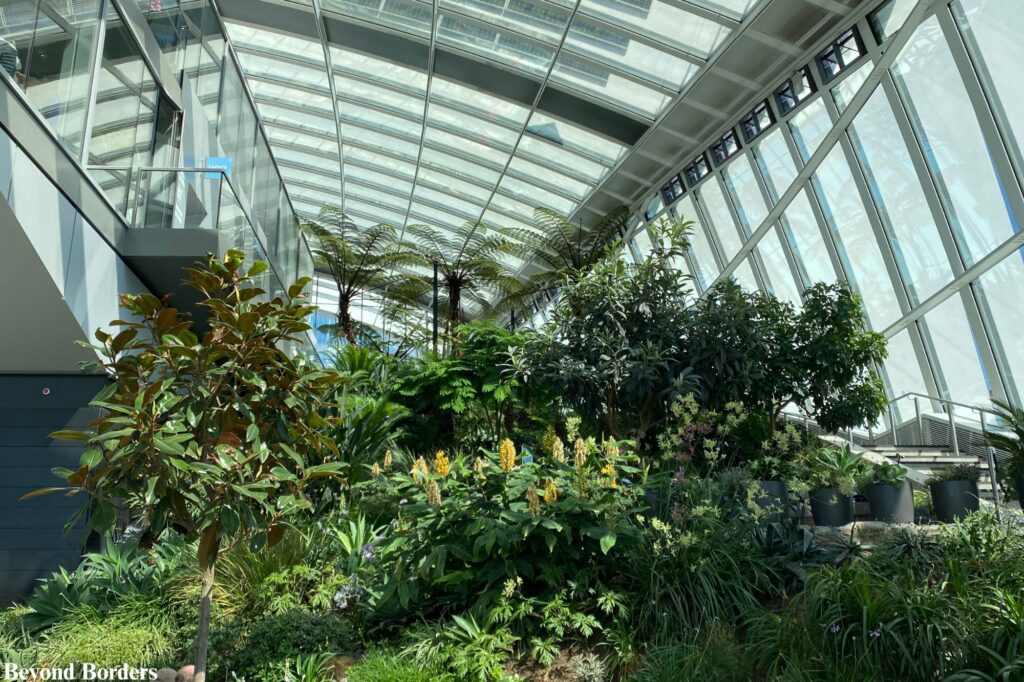
This rooftop garden and outdoor terrace offer free views of London, including the Tower of London, Tower Bridge, the River Thames, and The Shard! It also features lush, indoor tropical gardens spread across three floors. Sky Garden has several restaurants and bars. Even though tickets are free, you have to reserve tickets for a time slot in advance. You can reserve tickets on their website here up to three weeks in advance of your visit.
Borough Market
How to get here: Make a right onto Eastcheap and make a left onto Ling William Street. Keep walking forward across London Bridge (not to be confused with Tower Bridge), and you will see Borough Market on your right past the Starbucks.
Borough Market is a food lover’s paradise, home to over 100 stalls offering an astonishing array of produce and prepared foods from across Britain and around the world. There are stalls dedicated to freshly baked sourdough breads, pastries, cheeses, handmade chocolates, jams, chutneys, and so much more!
TIP: As you have probably seen on social media, make sure to get the viral chocolate-covered strawberries here at Borough Market, primarily sold at the Turnips stall. These cost around £8.50 to £10 and feature fresh, locally sourced berries drenched in thick Belgian milk chocolate!
While the icons, such as the Tower of London, are must-sees, the crowds can get overwhelming. If you need a break from the hustle and bustle, don’t miss my list of 8 hidden gems in London to escape the crowds (I even include another museum that is not as crowded as the museums I recommend in this itinerary!).
Day 2
Oxford Street shopping
How to get here: Take the metro to Oxford Circus station, right on Oxford Street.
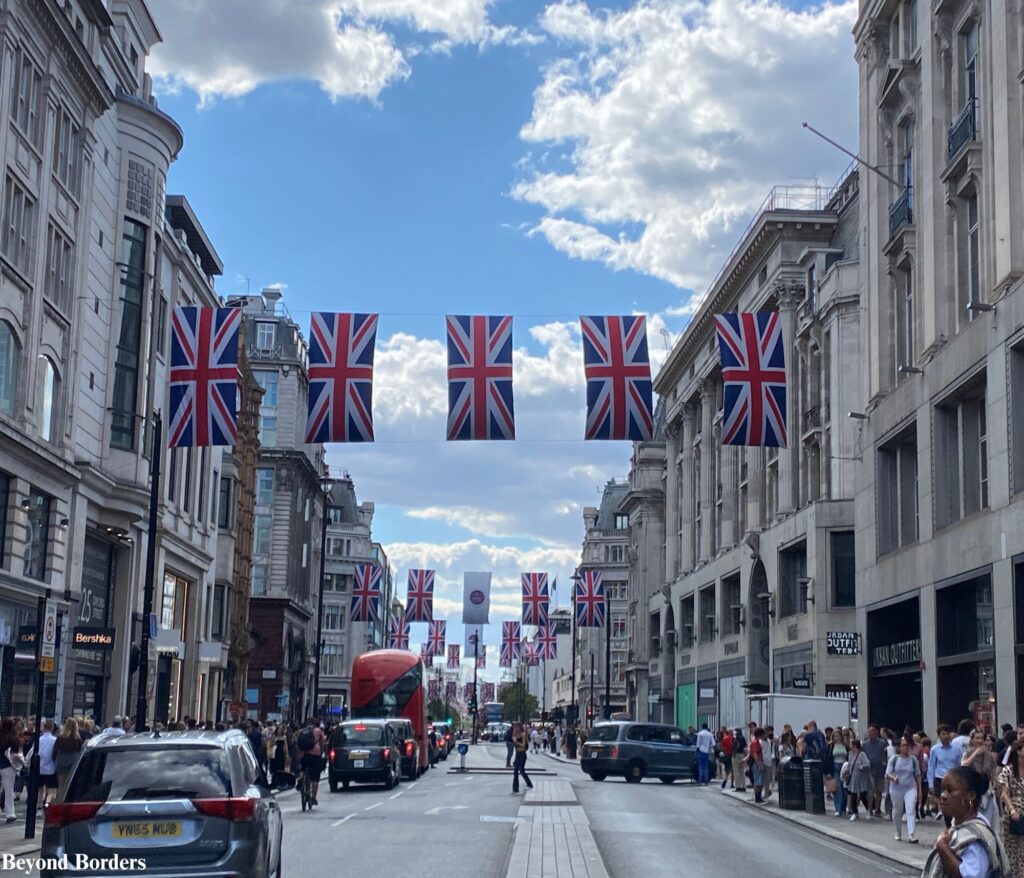
Oxford Street is one of the most well-known shopping streets in Europe, with over 300 shops, ranging from flagship department stores to popular and well-known retail stores like Zara, H&M, and Primark, as well as specialty and souvenir shops. You’ll find a wide array of goods, spanning fashion, beauty, technology, and homeware!
Afternoon Tea and shopping at Fortnum and Mason
How to get here: Walk from Oxford Circus metro station down Regent Street until you reach Swallow Street and make a right onto Piccadilly. Fortnum and Mason will be on your left.
At Fortnum and Mason, you can buy groceries, teas, coffees, biscuits, chocolates, and preserves. You can also buy meats, cheeses, fish, and ready-to-eat options. Furthermore, you can buy homeware, beauty products, fragrances, fashion accessories, and gifts.
Afternoon tea in their salon is a traditional afternoon tea with a selection of finger sandwiches, freshly baked scones with clotted cream and preserves, and a collection of exquisite cakes and pastries. Booking in advance is essential. Book easily on their website here.
Covent Garden
How to get here: Covent Garden is only a 15-minute walk from Fortnum and Mason. Make a right onto Piccadilly and then make a slight right onto Coventry Street. You will pass Leicester Square on your right. Keep walking and make a right onto Cranbourn Street and then make a right onto Garrick Street. Make a left onto King Street and you will see the piazza and St. Paul’s Church on your right!
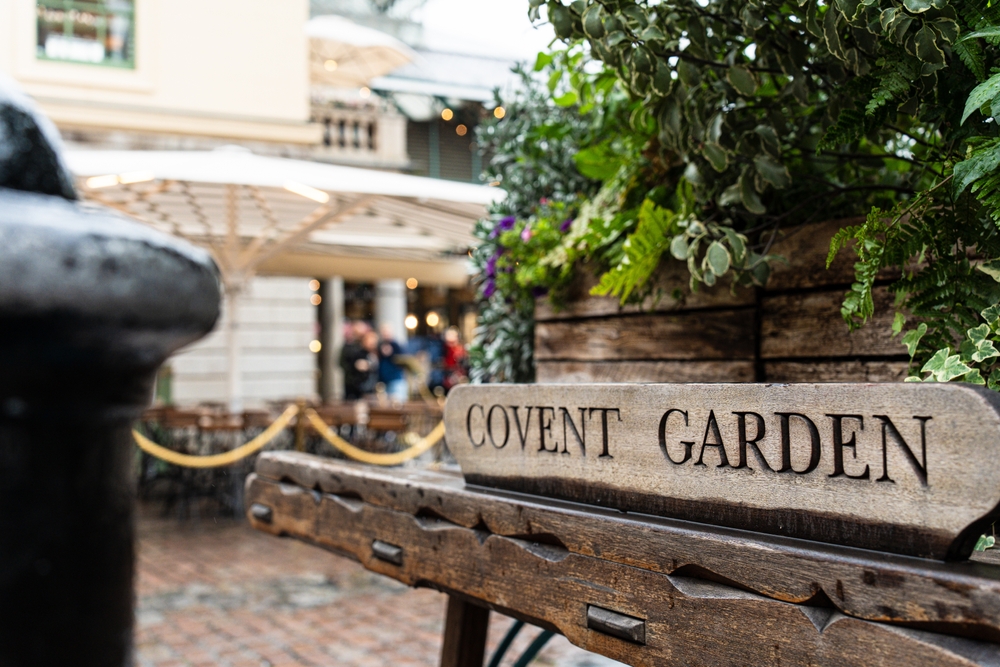
Covent Garden is located in London’s West End and is a famous shopping and entertainment area. It is known for its world-class fashion, beauty and lifestyle stores. Covent Garden also has over 60 pubs and bars, offering an incredible array of choices for a night out! Shop around the Covent Garden piazza in restored market buildings and admire the Royal Ballet and Opera House on Bow Street. The area is also renowned for its street performers, ranging from opera singers and magicians to acrobats and living statues. Read more on their website here.
Optional: Beatles walking tour
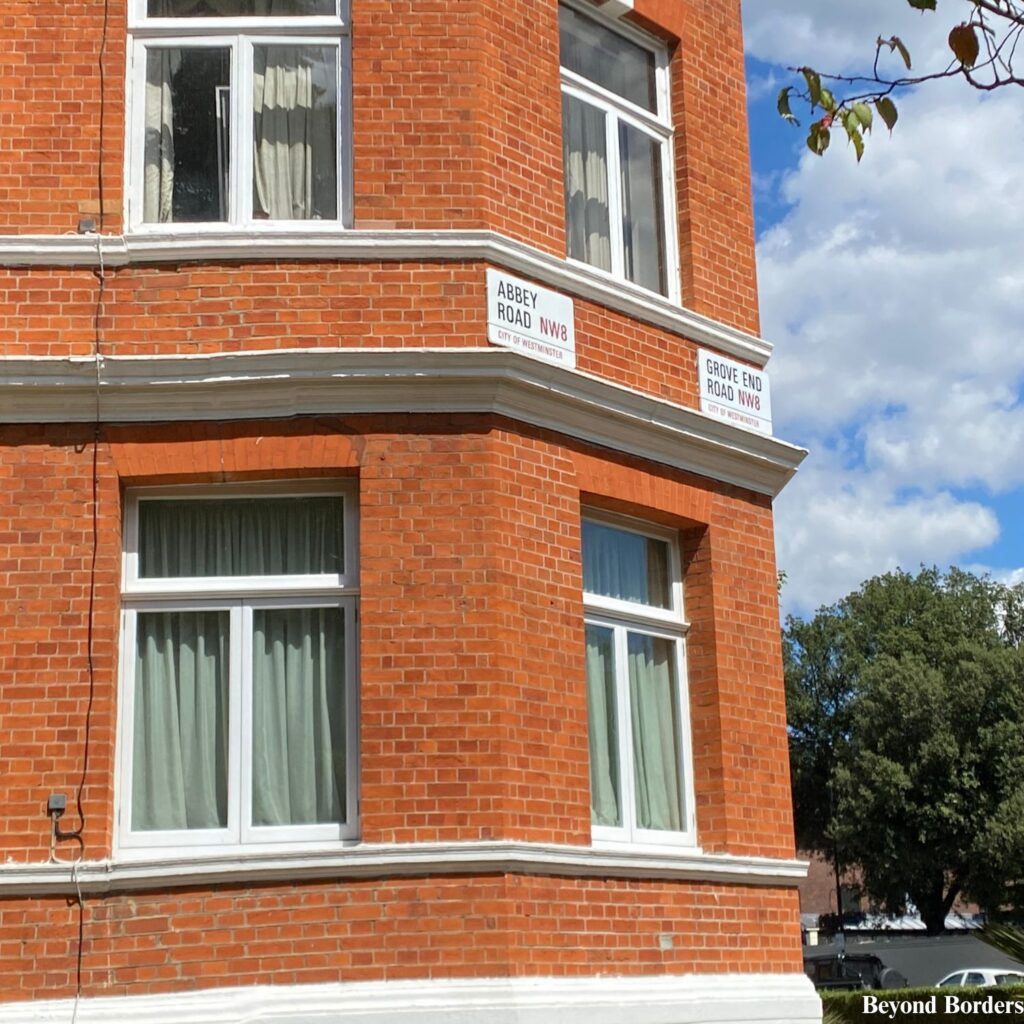
If you are a big Beatles fan, I recommend doing a Beatles walking tour! I did one while I was in London and really enjoyed it. Beatles walking tours can be found on Viator and GetYourGuide. Tours include walking to Abbey Road in the St. John’s Wood neighborhood, where the Beatles shot their eleventh album cover, and walking around where the Beatles recorded, lived, and socialized in 1960s London. Note: If you want to book a Beatles walking tour, make sure it is in London, not Liverpool, where The Beatles formed.
Day 3
Buckingham and Kensington Palaces
How to get here: Take the metro to Charing Cross station. Walk towards Trafalgar Square and turn left onto Spring Gardens, taking the stairs. Then, turn right onto The Mall. As you walk along The Mall, you will see St. James’s Park on your left. Turn right onto Constitution Hill and you will see Buckingham Palace.
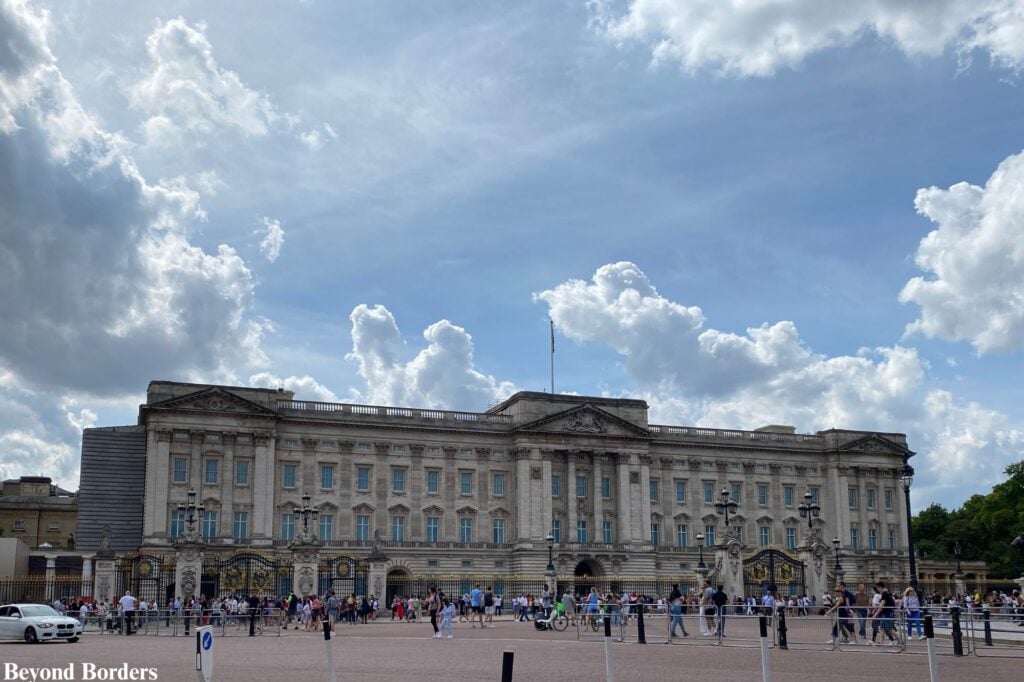
Buckingham Palace is the official London residence and administrative headquarters of the British monarch. It’s a symbol of the monarchy itself and a central landmark in London. Queen Victoria was the first monarch to officially reside there in 1837, establishing it as the primary royal residence.
You can take a tour of Buckingham Palace and see the State Rooms from July to September. Tickets cost £32 per adult when bought in advance; purchase tickets here. A tour of Kensington Palace includes all public areas of the palace and gardens, including: Dress Codes exhibition, Victoria: A Royal Childhood, The King’s State Apartments, and The Queen’s State Apartments. Tickets for tours of Kensington Palace cost £24.70 per adult; purchase tickets here.
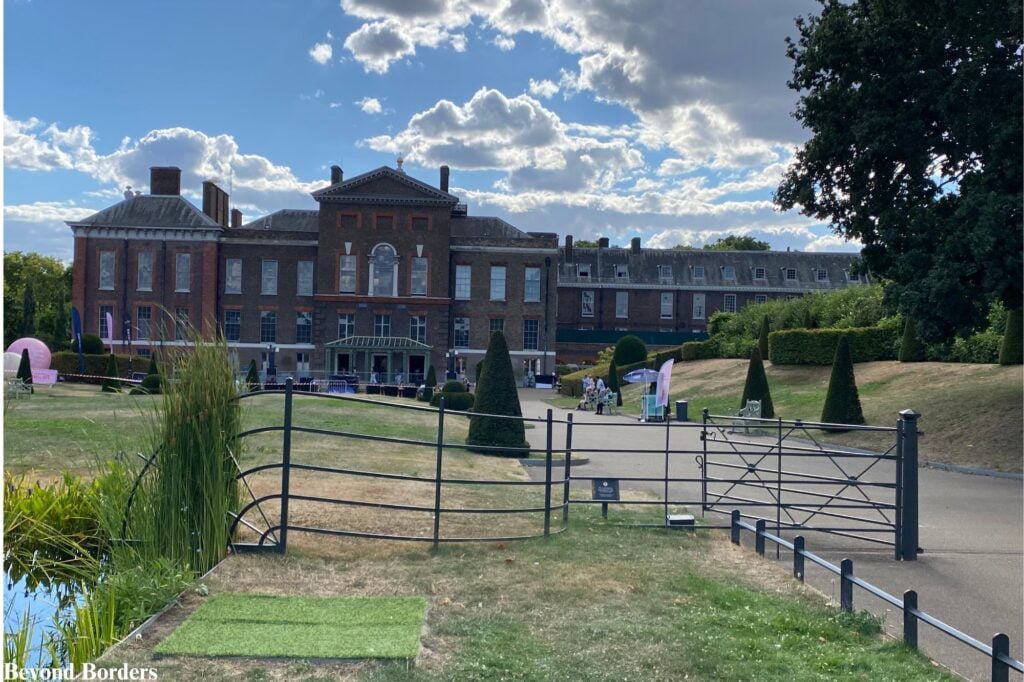
Kensington Palace is known for being a residence for various members of the Royal Family, including Prince William and Catherine, the Prince and Princess of Wales. The palace is also famous for its association with Diana, Princess of Wales, as her official residence after her marriage. Her legacy is still strongly felt here.
If you take a tour, you can see the King’s and Queen’s State Apartments, offering insights into the lives of past monarchs. You will see ornate ceilings, chandeliers, and intricate details in the design of the rooms. You can also see the Jewel Room. This room features exquisite jewelry, particularly items commissioned by Prince Albert for Queen Victoria, offering a rare glimpse into royal jewels besides the Crown Jewels in the Tower of London.
Hyde Park
How to get here: Hyde Park is located behind Kensington Palace and the Kensington Palace gardens. Walk around Serpentine Lake, passing the Diana, Princess of Wales memorial fountain, and you will be in Hyde Park.
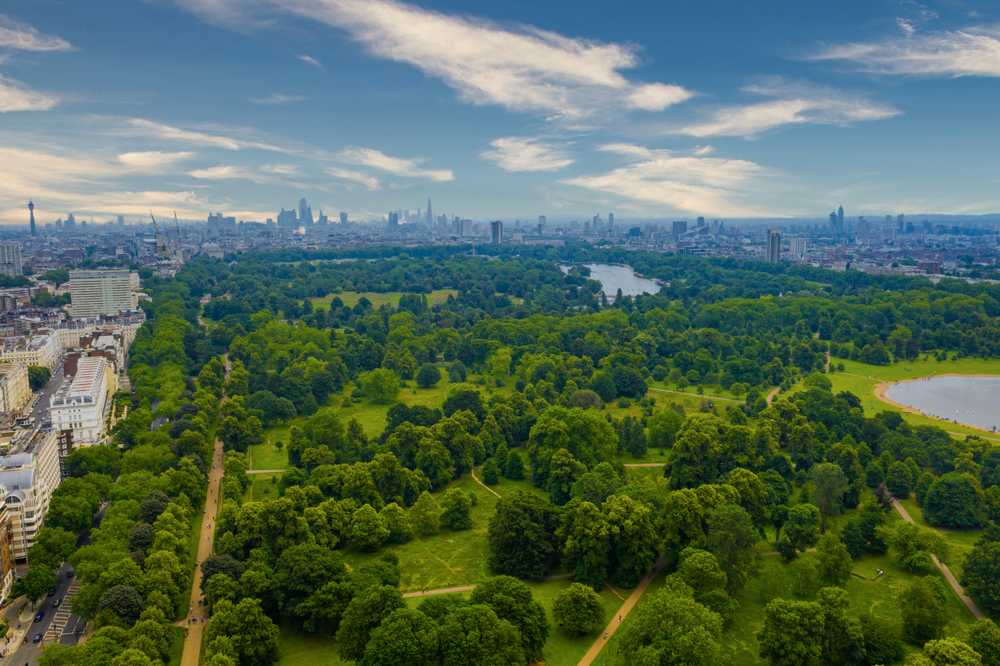
After spending a lot of time walking and standing during your Buckingham and Kensington Palace visits, relax in Hyde Park. Hyde Park is a huge, iconic park that spans 350 acres! Together with the adjoining Kensington Gardens, it forms a continuous stretch of green space. As one of the Royal Parks, it is maintained and offers a refreshing escape from the hustle and bustle of the city.
Each year, millions of visitors and locals alike flock to Hyde Park. Relax on its sprawling lawns and enjoy leisurely walks through its expansive grounds. The park’s rich history began in 1536 when King Henry VIII claimed the land from Westminster Abbey for his personal hunting grounds. It stayed a royal preserve for over a century, until King Charles I opened it to the public in 1637.
Harrods
How to get here: Walk onto Serpentine Walk and cross Knightsbridge until you get onto Brompton Road. Harrods will be on your left.
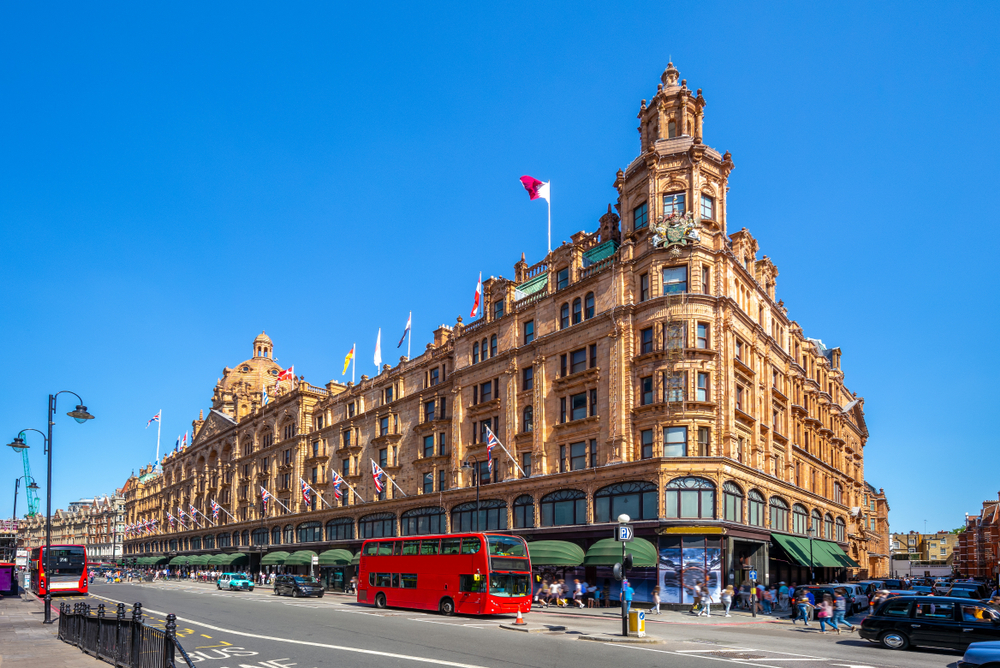
Spanning seven floors and over 1.1 million square feet (100,000 square meters) of retail space, Harrods holds the title of Europe’s largest and most iconic department store. Harrods has a fascinating history, dating back to 1849 when it began as a humble grocery store. It quickly grew into the retail giant it is today, setting trends and even pioneering innovations like installing England’s first ‘moving staircase’ (escalator) in 1898.
Besides retail, Harrods offers a wide range of luxury services, from personal shopping and beauty treatments to interior design consultations. It also has a diverse food hall and a chocolate hall. It’s a popular spot for both Londoners and international tourists, making it a true global landmark in the retail world!
Day 4
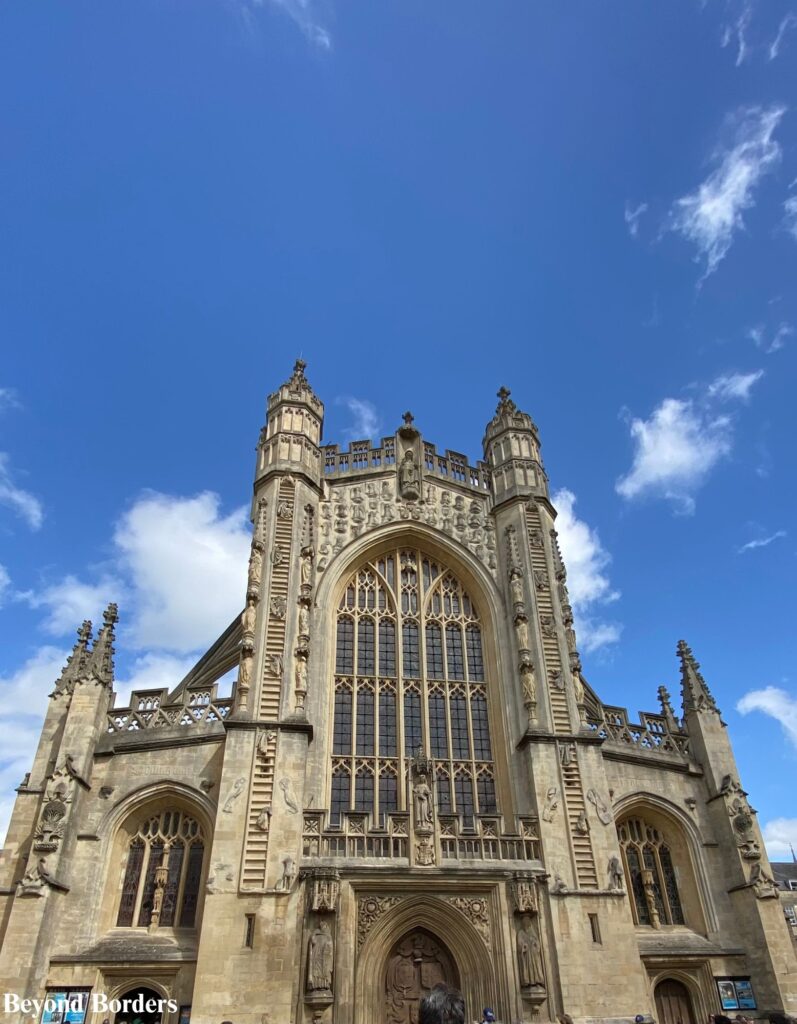
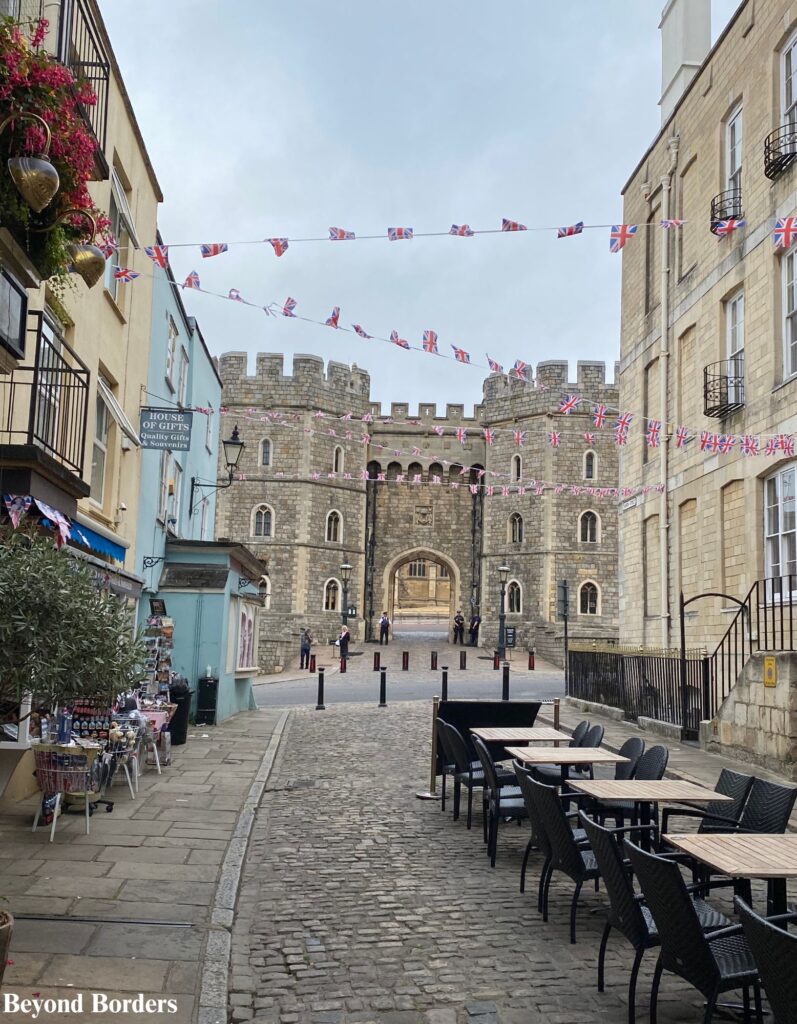
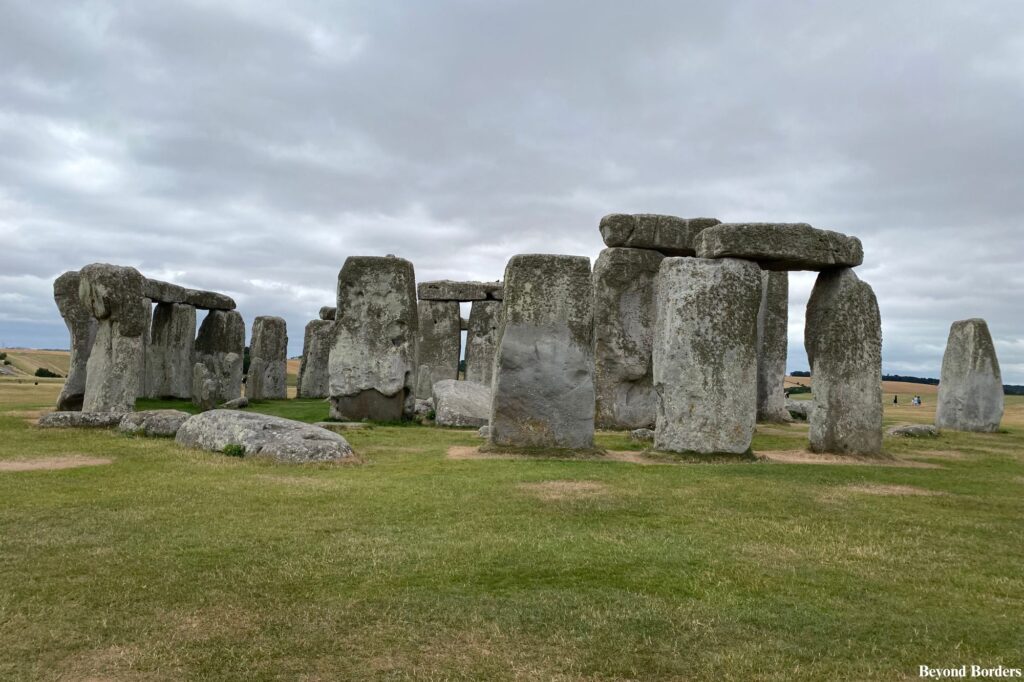
Day tour of Windsor Castle, Stonehenge, and Bath
I did this tour on Viator, and I loved it! This tour lasts a full day, so don’t plan any other activities on this day.
Note: Make sure to schedule your tour on any day that’s not a Tuesday because Windsor Castle is closed on Tuesdays.
Day 5
Big Ben and the Palace of Westminster
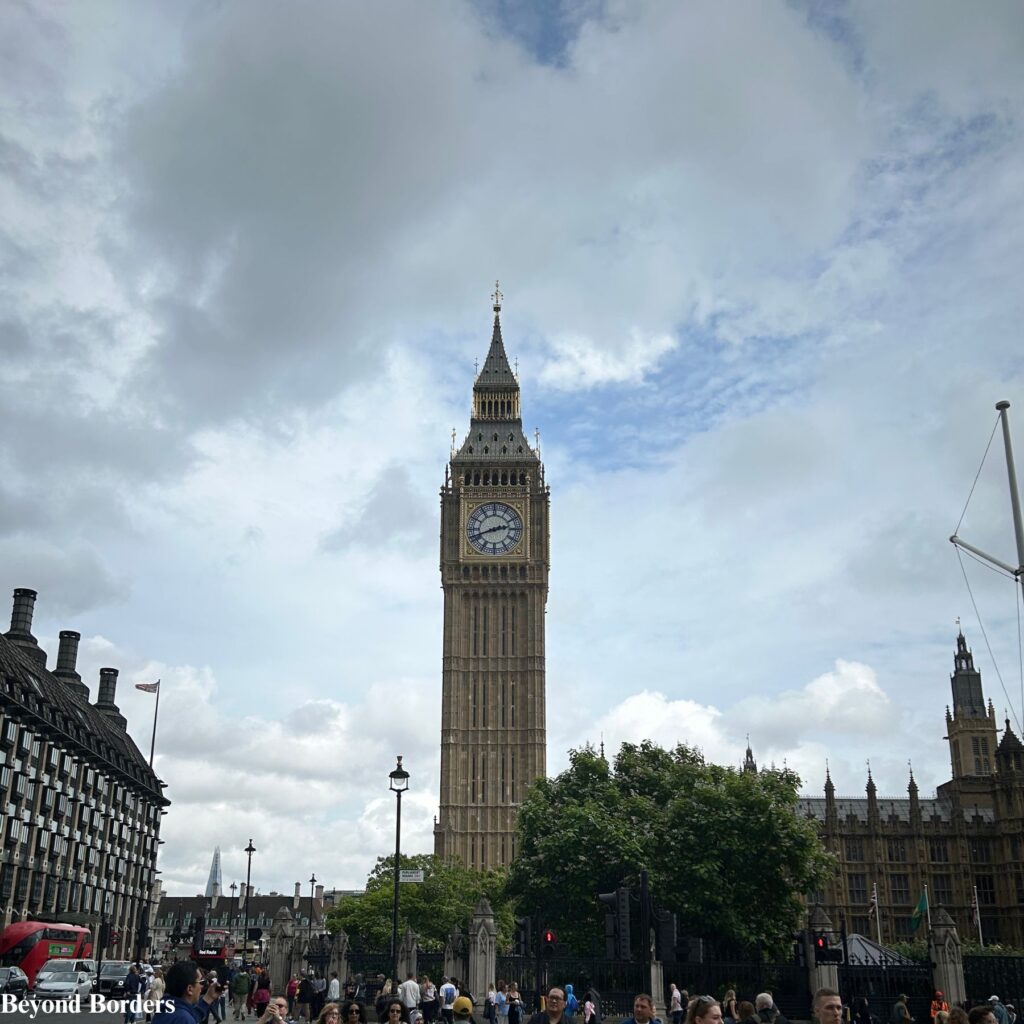
How to get here: Take the metro to the Westminster station, and you will see Big Ben right across the street.
Big Ben, a clock tower on one end of the Palace of Westminster, is an iconic symbol of London and the UK. Big Ben is attached to the Houses of Parliament, the center of British politics. Tickets are required to go inside Big Ben and must be purchased online. Tickets are £35 per adult and £20 for children aged 11-17; children must be accompanied by an adult. If you want to go inside, it is recommended to book as soon as tickets are released (usually three months in advance). Note: A tour of Big Ben involves climbing a narrow 334-step spiral staircase.
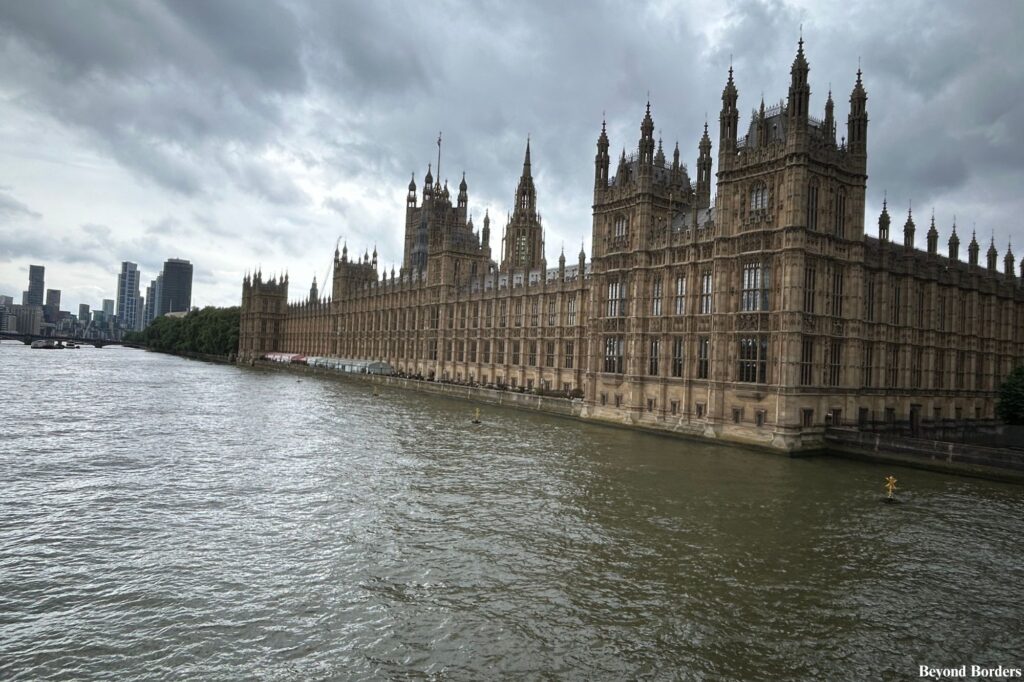
The Palace of Westminster, referred to as the Houses of Parliament, is one of London’s most historically significant buildings. The building is a masterpiece of Gothic Revival architecture and serves as the meeting place for both the House of Commons and the House of Lords, the two houses of the Parliament of the United Kingdom. Guided tours are 90 minutes and are offered on Saturdays and every summer. Tickets cost £34 per adult; purchase tickets here.
Westminster Abbey
How to get here: Big Ben is right next to Westminster Abbey, so you should see it right away!
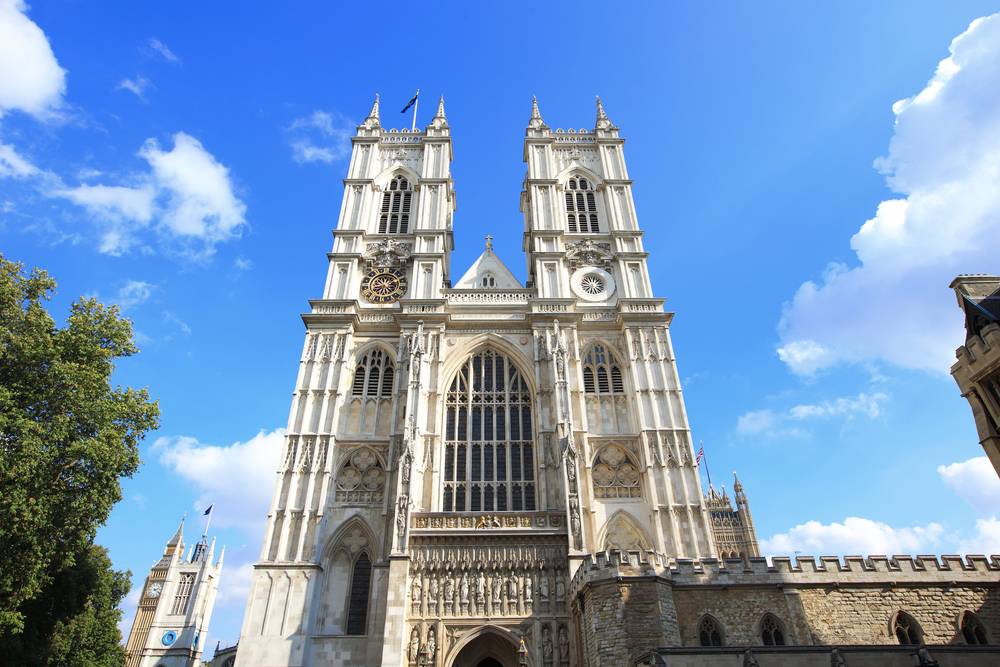
This Gothic Protestant abbey is where every English and British monarch since William the Conqueror in 1066 has been crowned, and it still hosts daily services. Construction began in its current form in 1245 under King Henry III. It also served as the wedding venue for Prince William and Kate Middleton’s wedding in 2011, and Queen Elizabeth II and Prince Philip’s wedding in 1947.
Westminster Abbey also serves as the burial place of numerous monarchs, prime ministers, scientists, and other prominent figures in British history. Seventeen monarchs are buried here, and so is famous British author Charles Dickens and famous scientists such as Isaac Newton and Stephen Hawking. Tickets to go inside the abbey are £30 per adult; purchase tickets for tours here.
National Gallery
How to get here: Walk up Parliament Street (it becomes Whitehall Street) until you reach Trafalgar Square and walk behind Nelson’s column to see the museum.
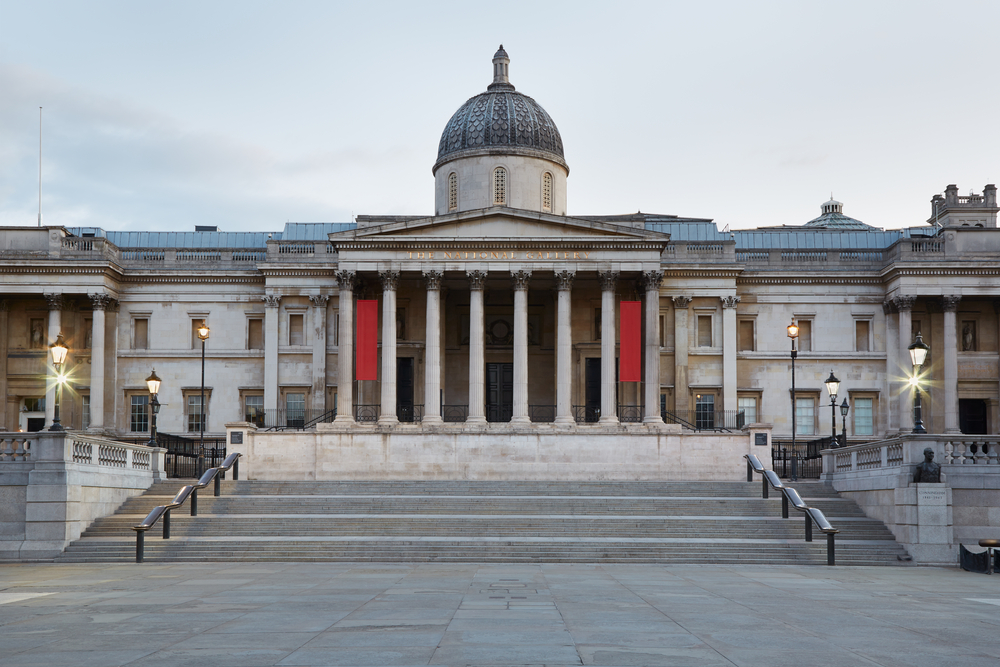
The National Gallery is London’s premier art gallery, housing over 2,300 Western European paintings that trace the history of painting from the late 13th century to the early 20th century. Its collection is particularly strong in Renaissance art, Dutch Golden Age painting, and Impressionism. I recommend going after 3pm on Monday-Thursday and Saturday-Sunday to avoid crowds, or on Friday evenings after 5pm when the museum is open until 9pm.
Tickets are free for the permanent collection. However, there are charges for some special exhibitions and events.
Other option: Tate Modern
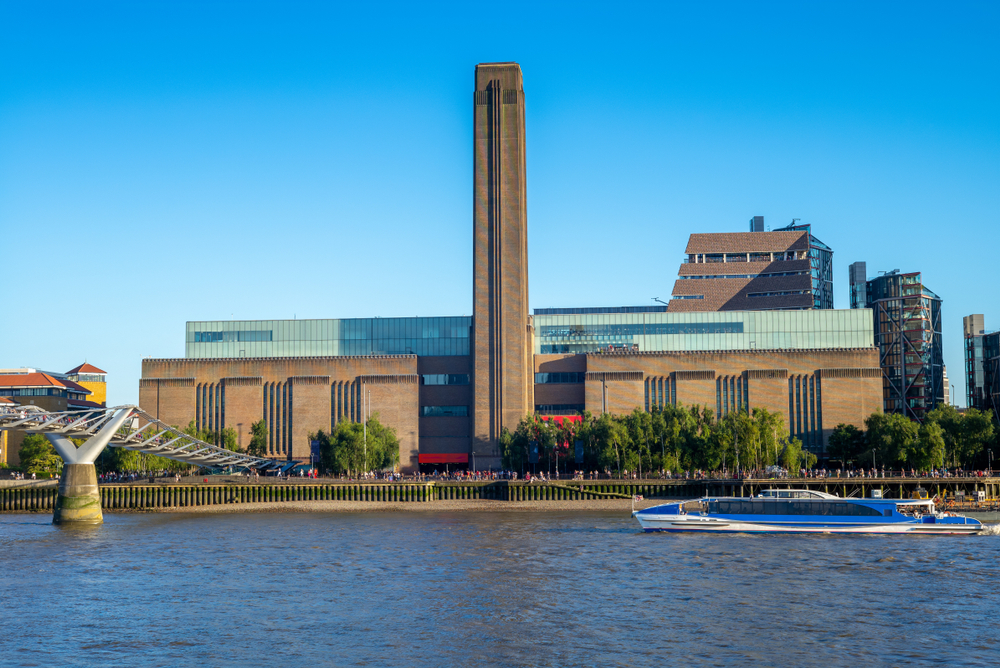
Tate Modern holds the UK’s national collection of international modern and contemporary art from 1900 to the present day. Its collection includes masterpieces from Cubism, Surrealism, Abstract Expressionism, and Pop Art. You’ll find iconic works by artists like Pablo Picasso, Salvador Dalí, Andy Warhol, Mark Rothko, and more.
If you want to go here instead of the National Gallery, try to go after 3pm as crowds tend to thin out in the late afternoon. Friday evenings are another good time to visit if you want to avoid crowds. Tate Modern has extended hours on Fridays, staying open until 10pm. The crowd levels drop significantly after 6pm.
How to get to Tate Modern from Westminster Abbey: Take the metro from Westminster station to Southwark station on the Jubilee line.
Other option: Tate Britain
For a more peaceful alternative to the busy halls of the National Gallery or the industrial scale of Tate Modern, head to Tate Britain in Millbank. While the National Gallery focuses on Western European masters and Tate Modern on global contemporary works, Tate Britain is the home of British art from 1500 to today.
It’s the best place in the world to see the atmospheric landscapes of J.M.W. Turner and the haunting figures of Francis Bacon. The building itself is a neoclassical gem, and because it’s tucked slightly away from the main tourist hubs, you can often enjoy these masterpieces without the usual crowds
How to get to Tate Britain from Westminster Abbey: Walk 15 minutes down Marsham Street and then make a left onto Atterbury Street. Tate Britain will be on your left.
Quick Comparison: London’s Art Museums
| Gallery | Vibe | Must-See Artists |
| National Gallery | Classical & Grand | Da Vinci, Van Gogh, Monet |
| Tate Modern | Edgy & Massive | Picasso, Warhol, Rothko |
| Tate Britain | Historic & British | Turner, Constable, Henry Moore |
Optimizing Your London Itinerary
I’ve opted to exclude the British Museum from this 5-day itinerary to maximize your experience in London. While the British Museum is a world-class attraction, it can easily consume an entire day, considering the time spent waiting in line for security and exploring its vast collections of objects. Given the limited duration of your trip, this itinerary prioritizes visiting three to four attractions daily, allowing you to experience more of the city’s diverse attractions and landmarks, rather than dedicating a full day to a single site.
What about the London Pass?
The London Pass by Go City offers passes ranging from 1-day to 10-day durations. The pass offers access to 97 London attractions and up to 50% savings versus buying tickets for each attraction you want to visit. Visit your first attraction and scan the QR code of your pass at the attraction’s entrance. The London Pass only gets activated from the first scan and can be used to visit each attraction once. Once activated by attending your first attraction, the London Pass is valid for the consecutive days purchased. The London Pass can be activated within one year of purchase.
A 4-day all-inclusive pass (excluding the full-day Viator tour in this itinerary) is £189 per adult and £129 per child ages 5-15. There are also promotions offered, so you can save money on passes. For this itinerary, I don’t think a London Pass is worth it. The only attractions you would use the London Pass for are Kensington Gardens and Kensington Palace, Westminster Abbey, St. Paul’s Cathedral, and Tower Bridge, only if you want to take tours of each of these attractions.
With this itinerary, you would only save money using the London Pass while visiting the Tower of London. If you are just fine seeing them and not taking tours (i.e., you don’t feel the need to take a tour of Westminster Abbey), then the London Pass is not worth the money.
What about the Visitor Oyster Card?
For those who prefer not to use their credit/debit card, the Oyster card is a smartcard that offers the same ‘pay as you go’ benefits and caps. They can be bought and topped up at stations. Since you will be taking the metro (tube) often, the Oyster card is a good option to buy. Of course, this is totally up to you!
A Visitor Oyster card costs £7 (plus postage if you want to get it delivered to you before your trip) and is pre-loaded with pay-as-you-go credit for you to spend on travel. You can choose how much credit to add to your card: £10, £15, £20, £25, £30, £35, £40 or £50. The credit on your card never expires; it is there until you use it. If you run out of credit on your card, it’s easy to add money to it and use it again. It is recommended that for 4 days in London, start with £30 credit. To read more, visit the official website here.
Alternative Attractions to do on Day 4
If you do not want to do the tour of Windsor Castle, Stonehenge, and Bath on Day 4 and want to stay in London instead, below are attractions to see on Day 4:
London Eye
The London Eye is one of London’s most recognizable and popular modern landmarks, offering panoramic views of the city. It is a cantilevered observation wheel and is designed to give passengers a slow, rotating journey high above the River Thames. It’s prominently situated on the South Bank of the River Thames, directly opposite the Houses of Parliament and Big Ben. Its position offers prime views of many of London’s most famous sights, including the Houses of Parliament and Big Ben, Westminster Abbey, Buckingham Palace, St. Paul’s Cathedral, The Shard, The Gherkin, and Tower Bridge. Standard tickets bought online are £29 per adult (tickets online are less expensive than at the entrance). Purchase tickets here.
St. Paul’s Cathedral
This cathedral is located at the top of Ludgate Hill in the City of London (East End) and has been a site of Christian worship for over 1,400 years. It was built between 1675 and 1710 and is a prime example of English Baroque architecture. It was the site of Sir Winston Churchill’s funeral and the Diamond Jubilee of Queen Victoria. Visitors can access the cathedral floor, crypt, and dome galleries, and free guided tours are offered. Learn more and book tickets on the website here.
Explore Chelsea
Chelsea is known for being one of London’s most affluent, stylish, and attractive neighborhoods, offering a blend of history, luxury, and vibrant culture. You can walk along King’s Road; this street is iconic for its fashionable boutiques, designer brands, and independent shops. You’ll also find high-end stores on Sloane Street and unique offerings at Duke of York Square. Visit the Chelsea Physic Garden, London’s oldest botanical garden, established in 1673.
Chelsea is famous for its beautiful Victorian townhouses, colorful side roads like Bywater Street, and charming mews. You can also admire the intricate design of Albert Bridge, especially at sunset. The area is packed with fine restaurants, cafes, and pubs, offering options for every taste and budget, from upscale dining to traditional pubs.
Hampstead Heath
Hampstead Heath offers a taste of the countryside just a few miles from the city center. At 790 acres, the Heath is incredibly diverse. It features rolling hills, ancient woodlands, meadows, wild areas, formal gardens, and open grasslands. One of its most famous features is Parliament Hill, located on the southeastern side of the Heath. From the summit, visitors are treated to a spectacular, legally protected panoramic view of the London skyline, including iconic landmarks like St. Paul’s Cathedral, the Shard, and Canary Wharf. It’s a popular spot for picnics and simply admiring the city. A unique and popular aspect of Hampstead Heath is its series of natural swimming ponds.
Despite being within London, Hampstead Heath offers a sense of escape. It feels slightly untamed and provides a much-needed breath of fresh air and connection with nature for millions of Londoners and visitors. You can access Hampstead Heath by going to Belsize Park Station on the Northern Line, which gives you access to the southern side of the heath. Make sure to go to Parliament Hill to see views of the London Skyline!
How to get there: Make a left onto Downside Cres after leaving the station. Make a left onto Lawn Road and stay on Lawn Road. Then, make a left onto Fleet Road and make a right onto Cressy Road. Make a slight left onto Agincourt Road. Make a right onto Cressy Road and then a right onto Constantine Road. You’ll have to go up some stairs and you’ll be there!
You can also reserve Day 4 to go to the British Museum if you wish. Tickets are free but required; buy tickets on their website here.
Alternative Attractions
If you have extra time, want to try something else, or if any attractions are too crowded for your liking or are unexpectedly closed, here are some other things to do:
Camden Market
Camden Market is the merging of different adjoining markets: Camden Lock Market, The Stables Market, and Camden Lock Village, now known as Hawley Wharf.
Camden Market is world-famous for its incredible street food scene. The market is a food lover’s paradise, offering a large variety of cuisines from around the world. You can find everything from traditional British roast dinners in a burrito to Venezuelan arepas, authentic Thai street food, and gourmet burgers. The food stalls are concentrated in a few key areas, especially by the Regent’s Canal and in the Stables Market. When shopping at Camden Market, you can find alternative fashion, handmade crafts and antiques, and music memorabilia.
The Regent’s Park
The Regent’s Park spans 410 acres and is renowned for its stunning Regency architecture and beautiful gardens. Queen Mary’s Rose Gardens in the southern end of the garden are famous for their spectacular roses, which contain over 40,000 roses in full bloom during June and July. There are several cafes and refreshment kiosks located throughout the park, including Regent’s Bar & Kitchen, Waterside Café, and Primrose Hill Café. Gates generally open at 5am and close at dusk, with specific closing times varying seasonally (from 4:30 pm in winter to 9:30pm in summer
How to get here: There are several stations near the park, including Great Portland Street, Baker Street, Marylebone, Euston Square, and Warren Street.
Spitalfields Market
While not as popular as Borough Market, Spitalfields Market is still worth a visit! Spitalfields Market is located in London’s East End, a short walk from Liverpool Street Station. It is between the financial district and Shoreditch. It’s a blend of old and new, combining its Victorian heritage with a contemporary, vibrant atmosphere. What makes this market different is its array of independent stalls selling unique and handcrafted goods. You’ll find everything from vintage clothing and accessories to modern fashion, handmade jewelry, art prints, and more! It’s a great place to discover original designers and one-of-a-kind items.
The market is packed with a variety of street food vendors offering cuisines from around the world – from gourmet burgers and artisan pizzas to dumplings, tacos, Ethiopian food, Sri Lankan curries, and Japanese desserts. There are also numerous permanent restaurants and cafes circling the market hall, ranging from casual places to Michelin-starred restaurants.
How to get here: Take the metro to Liverpool Street Station and make a left onto Bishopsgate/A10. Then make a right onto Brushfield Street. Turn left onto Crispin Place and you’re there!
Walk along Bond Street
Bond Street is arguably London’s most prestigious and exclusive shopping street. Bond Street has an abundance of luxury brands, such as Chanel, Louis Vuitton, Cartier, and Gucci, and is home to flagship boutiques of nearly every major international luxury brand. Besides fashion, Bond Street features exquisite jewelry and high-end watches. Many world-renowned jewellers have their most prominent London stores here, showcasing glittering diamonds, rare gemstones, and intricate timepieces. On Bond Street, you’ll see a mix of international tourists and discerning shoppers. The street is clean, well-maintained, and has a refined ambiance, often complemented by public art installations.
How to get here: Take the metro to Bond Street station. When you get out of the station, make a right onto Oxford Street and then make a right onto New Bond Street.
See a show in the West End
Seeing a show in London’s West End is one of the few things that can truly rival the scale of New York’s Broadway.
If you want a break from museums and monuments, there is no better way to spend an evening than in the West End! As one of the world’s premier theater districts, it offers everything from record-breaking classics like Les Misérables and The Phantom of the Opera to high-energy hits like SIX or Back to the Future. For something truly unique to 2026, keep an eye out for the buzz surrounding Hercules or the hilarious Oh, Mary!.
To save on tickets, head to the TKTS booth in Leicester Square for same-day discounts, or use the TodayTix app to enter digital lotteries. It’s the ultimate way to see London’s historic architecture come to life under the neon lights of “Theatreland.”
Pre-Theatre Set Menus
Much like navigating the food scene around Times Square before a show, the West End has its own legendary spots that are worth a visit before the curtain. Most restaurants in Soho and Covent Garden offer a discounted two- or three-course menu specifically for people heading to a 7:30pm show. This is a great way to eat at high-end spots like Bocca Di Lupo (which I mention below) without the usual prices. See below for more restaurants to choose from!
Where Should You Stay?
Luxury: The Savoy; Rosewood London
Both of these hotels are just north of the River Thames. The Savoy is a famous hotel that has been in business for over 135 years. It is located near the Soho neighborhood and two different metro stations, Temple and Charing Cross. Rosewood London is near the Holborn metro station and Lincoln’s Inn Fields park. Guests of both hotels love the service, afternoon tea, and amazing food.
Mid-Range: Canopy by Hilton at London City; The Hoxton, Holborn
I stayed at the Canopy by Hilton while visiting London. This hotel is right across the street from the Aldgate metro station, which connects you to the entire city. Because it’s in East London, it costs less than hotels in the West End (where the majority of tourist attractions are), and it is quieter. The beds are good, there is a variety of foods to choose from for breakfast (not included), and you get free Wi-Fi. If you are a Hilton Honors member, definitely consider this hotel. The Hoxton, Holborn hotel is close to the Holborn metro station and the British Museum. Guests like the location and the restaurant, and say the rooms are cozy.
Budget: London Marriott Hotel Regents Park; hub by Premier Inn London Marylebone
The London Marriott hotel is located just north of Regent’s Park. It is within walking distance of the Swiss Cottage metro station. It is marketed as a four-star hotel, but you can find great deals and pay less than $200 USD a night. At the hub by Premier Inn London, rooms are smaller and “tech-focused” (you control the lights/temp through an app), but guests appreciate the hotel’s location and that the rooms are quiet and clean. It’s a perfect choice since this itinerary includes spending most of your time out exploring.
Where to Eat in London
Besides the must-visit stalls at Borough Market and the charming cafes of Covent Garden, there is one cuisine you simply cannot skip: Indian food. London is world-famous for its Indian culinary scene, thanks to a deep history and a massive South Asian community that has shaped the city’s flavors for decades.
My Top Indian Recommendations
- Dishoom: This is a local favorite with several locations, but the King’s Cross branch is particularly cool. It’s styled after the old Irani cafes of Bombay.
- What to order: You have to try the House Black Daal (it’s cooked for 24 hours!) and the Bacon Naan Roll if you go for breakfast.
- The Rajasthan II @ India Street: If you are staying near the Tower of London or at the Canopy by Hilton, this is a fantastic find. It’s a smaller, more intimate spot that feels like a true neighborhood hidden gem.
- What to order: Their Chicken Vindaloo and Garlic Naan are highly rated for having authentic spice.
- Punjab (Covent Garden): This is the oldest North Indian restaurant in the UK. It feels very classic, perfect if you’re already in the West End to see a show.
- What to order: Their Achari Chicken (tender chicken cooked in a tomato-yogurt sauce) is frequently popular with guests.
Other recommended restaurants
English Classics
- Regency Cafe: Located in Westminster, this cafe is legendary for its 1940s Art Deco interior, “no-nonsense” service where they shout your name across the room, and what many consider the best, most affordable full English breakfast in London.
- Rules: This upscale restaurant is London’s oldest (established in 1798) and is known for serving British cuisine.
- The Wolseley: An elegant Art Deco restaurant known for its British cuisine and afternoon tea.
Italian
- Bocca di Lupo: A bit more upscale, this restaurant is a perfect option for a pre-show dinner. They serve small plates from different regions of Italy. Be sure to visit Gelupo across the street for gelato afterward!
- Padella (Borough Market): This is the spot for pasta! It’s affordable, Michelin Bib Gourmand-rated, and famous for its Pici Cacio e Pepe. You usually have to join a virtual line/queue, but you can explore Borough Market while you wait.
Japanese
- Misato: This is a casual restaurant serving sushi and other Japanese cuisine and known for its Katsu Curry Rice. The portions are huge (often enough for two people), and it’s one of the cheapest sit-down restaurants in the West End, perfect to eat at before seeing a show!
- Sticks’n’Sushi: This is a Danish-Japanese fusion restaurant, whose menu is half sushi, half yakitori (grilled skewers). This is a great restaurant for groups and also a great “intro to Japanese food” for those who might be nervous about eating raw fish.
- Koya: Known for their fresh, hand-pulled udon noodles. They also serve breakfast udon if you want an alternative to the English breakfast.
Mix of Cuisines
- Seven Dials Market (Covent Garden): If you can’t decide what to eat, consider this massive upscale food hall with plenty of cuisines to choose from.
The Verdict: Is London’s Chinatown Worth the Hype?
While the lanterns and gates make for great photos, I personally recommend being cautious with the restaurants in Chinatown. Because it’s such a high-traffic tourist area, many spots prioritize speed over quality. Instead, look for smaller, specialized shops on the outskirts of the main square. Lanzhou Lamian is a fantastic choice for authentic hand-pulled noodles, and Bun House is absolutely worth the visit for their fluffy, Cantonese-style steamed buns in a laid-back setting. My advice for Chinatown: Go for the photos, stay for a quick snack at a specialist shop, but save your big dinner for one of the other neighborhoods mentioned in this itinerary.
Conclusions
Five days is just enough time to fall in love with London’s grand history and its modern, multicultural energy, but the beauty of this city is that there is always a new corner to discover. Whether you spent your trip marveling at the Crown Jewels at the Tower of London, getting lost in the halls of the National Gallery, or finding your new favorite noodle spot on the edge of Chinatown, I hope this guide helped you navigate this capital city with confidence.
Just like the perfect pastrami sandwich at Katz’s or a late-night feast at Wo Hop back in New York, London’s best experiences are often the ones that leave you planning your next visit before you’ve even headed to the airport. Safe travels, and I can’t wait to hear which part of the city is your favorite!