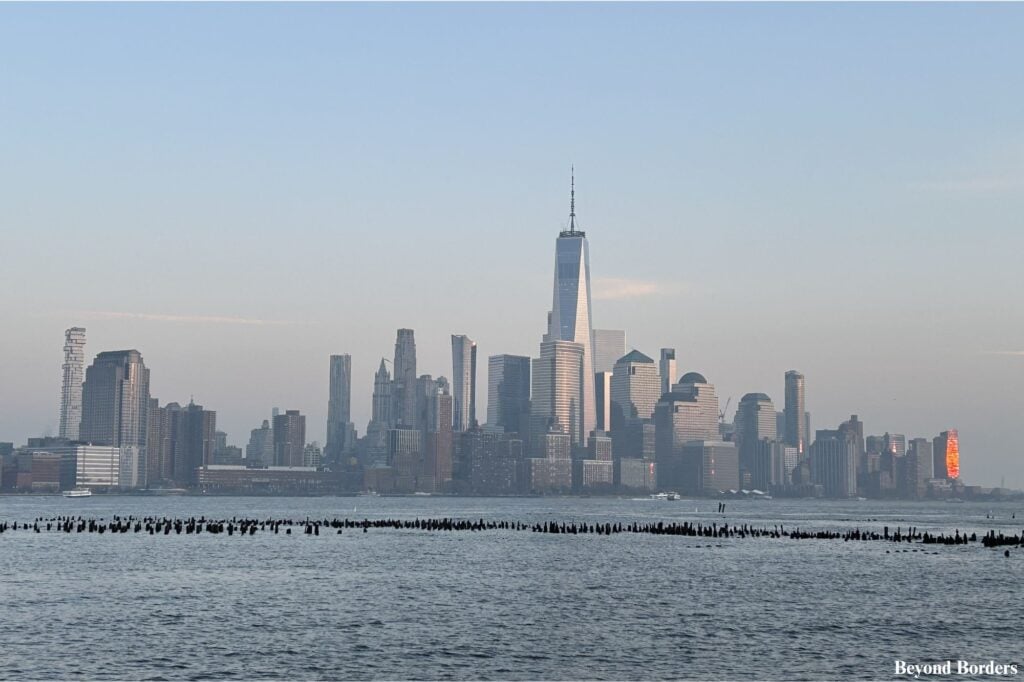
How to Choose between a NYC Hotel or a Vacation Rental in 4 Steps:
- Check your group size: If you are with a group of 3 or more people, a standard NYC vacation rental is out. Local laws restrict short-term rentals to a maximum of 2 guests.
- Check your trip length: If you are staying in NYC for less than 30 days, booking an entire private apartment on Airbnb or Vrbo is illegal. Stick to traditional hotels for short vacations.
- Evaluate your luggage needs: Hotels will safely store your suitcases before check-in and after check-out for free; independent rental hosts rarely offer this.
- Map your subway distance: New York hotels are located close to major express subway lines, while residential rentals often require a long 15-to-20-minute walk to reach the nearest train.
Introduction
If you live in or around New York City, friends and family are constantly asking you for help when deciding where to stay in NYC: hotel or Airbnb? For years, the standard advice for anyone wanting to save a buck or fit a big group was simple: “Just book an Airbnb or Vrbo in Brooklyn or Queens.”
However, if you try to follow that playbook today, you’re going to run into a massive obstacle. New York City has some of the strictest short-term rental laws in the country (known as Local Law 18). Under these rules, renting out an entire private apartment for less than 30 days is effectively illegal. If you book a vacation rental for a quick weekend trip, your host is legally required to live in the apartment, be physically present during your entire stay, and limit the reservation to a maximum of two guests. Because booking platforms now automatically block unregistered listings, thousands of NYC vacation rentals have completely vanished from the map.
This legal shakeup has completely flipped the classic travel debate on its head. If you are trying to figure out where to stay in NYC, hotel or Airbnb options look entirely different from what they did just a couple of years ago. The choice isn’t just about who has a cooler aesthetic or a bigger kitchen anymore–it’s about protecting your vacation from last-minute cancellations, understanding hidden commuter costs, and knowing what is actually legal.
As a local who knows how this city functions, how the transit system connects, and where the safest neighborhoods sit, I’ve put together this detailed breakdown. Whether you’re a solo digital nomad looking for a month-long neighborhood vibe or a family trying to figure out how to squeeze into Manhattan without breaking the bank, this guide will help you confidently choose the exact right roof for your New York itinerary.
Jump to my Quick-Reference FAQs ↓ at the bottom of this guide if you have a specific question!
NYC Accommodation Decision Matrix
| Best For… | Choose an NYC Hotel | Choose an Airbnb or Vrbo |
| Short Trips (< 30 Days) | The Winner. 100% legal, reliable, and zero risk of sudden cancellations. | Heavy Restrictions. Legal only if the host stays in the apartment with you and caps guests at 2 max. |
| Long Stays (30+ Nights) | Expensive. Daily rates add up fast over several weeks. | The Winner. NYC’s strict short-term laws don’t apply to month-long bookings. Great for digital nomads. |
| Families & Large Groups | Best Alternative. You will need to book multi-room suites or connecting rooms to fit everyone legally. | Not Feasible. Booking a whole independent apartment for a family vacation is no longer allowed under city laws. |
| Luggage Storage | Seamless. Almost every hotel will hold your bags for free before check-in and after check-out. | Difficult. Because hosts don’t have front desks, you’ll likely have to pay for a third-party luggage storage station. |
| Location & Subway Access | Unbeatable. Concentrated around major commercial hubs and immediate transit lines. | Residential. Often located deep in neighborhoods, which might mean a 15-minute walk to the nearest train. |
The Elephant in the Room: Is Airbnb and Vrbo Legal in NYC?
If you are planning a trip to New York and opening up your booking apps expecting to find thousands of cute, private apartments scattered across Manhattan or Brooklyn, you are going to notice something weird. The inventory has practically vanished. That is because of Local Law 18, New York City’s strict short-term rental registration law. Read more about Local Law 18 on the NYC Office of Special Enforcement website.
There is a massive rumor floating around that booking a vacation rental in NYC is completely illegal. That isn’t entirely true, but the actual rules are so strict that they completely change the math for the average traveler. Under the current regulations, for any rental stay under 30 consecutive days, the listing must follow these non-negotiable rules:
- The Host Must Be Present: You cannot rent out a whole apartment to yourself. The permanent resident must physically live in the unit and be present during your entire stay.
- The 2-Guest Cap: A registered host is legally capped at a maximum of two paying guests at a time.
- The “Unlocked Doors” Rule: You must have free, unobstructed access to all parts of the apartment. Interior doors cannot have keypads or locks that isolate you from the host.
To make things even tougher for operators, booking platforms like Airbnb and Vrbo are legally required to verify a city-approved registration number before a listing can even process a payment. Because of this, active short-term listings in the city plummeted by roughly 90%, leaving only a small handful of legal, hosted home-shares on the market.
What This Means for Your Trip Strategy
This legal reality instantly shifts the math depending on who you are traveling with.
If you are traveling as a family of three or four, or heading to the city for a group weekend with friends, a short-term Airbnb or Vrbo in NYC is a literal impossibility. Because of the 2-guest limit and the mandatory live-in host rule, you cannot legally book a private apartment for your group.

⚠️ Important Local Warning:
If you find a listing on Airbnb or Vrbo advertising a “private entire apartment” in Manhattan or Brooklyn for a quick 4-day weekend, proceed with extreme caution. The platform will likely flag and cancel it before you arrive, or you risk showing up to an unapproved building, leaving you stranded without a backup plan. Stick to hotels for short vacations!
Unless you are traveling solo or as a couple and actively want to share an apartment with a local resident, these rules mean a traditional hotel is going to be your safest, most reliable bet for a standard New York vacation.
How to Decide Where to Stay in NYC: Hotel or Airbnb/Vrbo?
Once you look past the strict legal rules, the choice really comes down to daily logistics. Navigating New York requires a lot of energy, and your accommodation should make your days easier, not more complicated.
For the vast majority of travelers visiting for a standard vacation, a hotel is going to be the clear winner. Here is exactly when making the traditional choice is often the smartest move for your itinerary.
When a NYC Hotel is Your Best Bet
Choosing a hotel isn’t just about getting a clean bed–it’s about eliminating the hidden logistical friction points that can quietly drain your vacation time.
- Absolute Legal Peace of Mind: When you book a traditional hotel, there is a zero percent chance your reservation will be abruptly wiped out by a city compliance sweep a week before you arrive. You know the building is fully authorized, regulated, and ready for you.
- The Luggage Flexibility Factor: This is a massive New York pain point. If your flight lands at 10:00am but check-in isn’t until 3:00pm, a hotel will happily lock your suitcases in a secure closet for free so you can start exploring immediately. Because independent hosts don’t have front desks or storage rooms, rental guests are usually stuck dragging heavy bags over subway stairs or paying for expensive third-party luggage lockers downtown.
- Unbeatable Subway Proximity: New York hotels are strategically built in high-density commercial hubs. This means you are almost always a two-minute walk from major subway stations, like Times Square or Washington Square. Because vacation rentals are confined to residential neighborhoods, they often require a 15-to-20-minute walk through quiet side streets just to reach the nearest train platform–a walk that feels twice as long at midnight after you’ve already logged 25,000 steps.
If a hotel sounds like the right choice for your trip, check out my curated neighborhood hotel guides to find the perfect base. Depending on the specific vibe you are after, I have mapped out the absolute best properties across the city:
- For Historic & Iconic Sightseeing: If you want to stay close to iconic spots like Wall Street, the Oculus, and the Brooklyn Bridge, look through my complete guide to the best hotels in Lower Manhattan.
- For Budget-Savvy Travelers: If you want to keep your accommodation costs low without sacrificing a fast commute, check out my breakdown of the best places to stay in Long Island City (LIC), Queens, vs. Manhattan.
- For Trendy Neighborhood Vibes: If you’d rather skip the chaotic commercial hubs and stay in a neighborhood packed with incredible dining, skyline views, and boutique shopping, dive into my handpicked guide to my top 5 hotels in Williamsburg, Brooklyn.
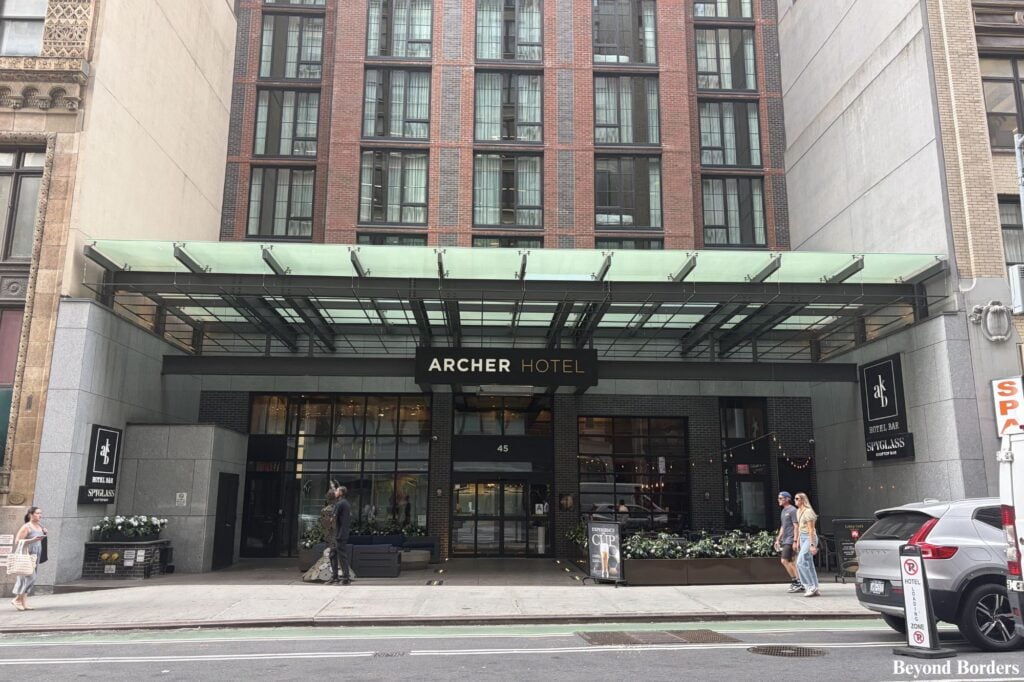
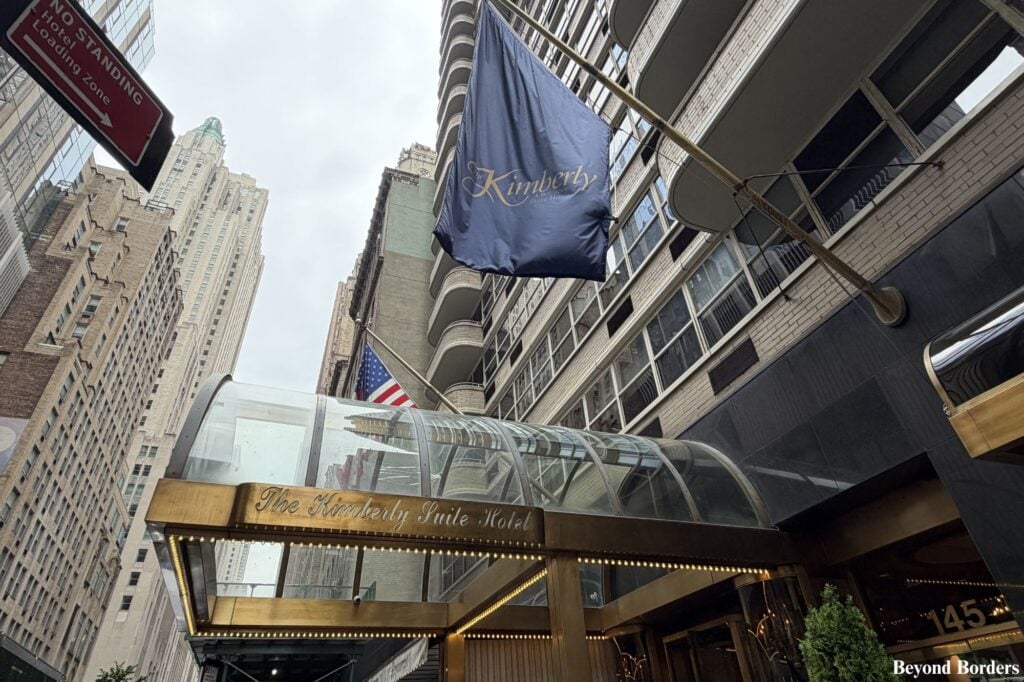
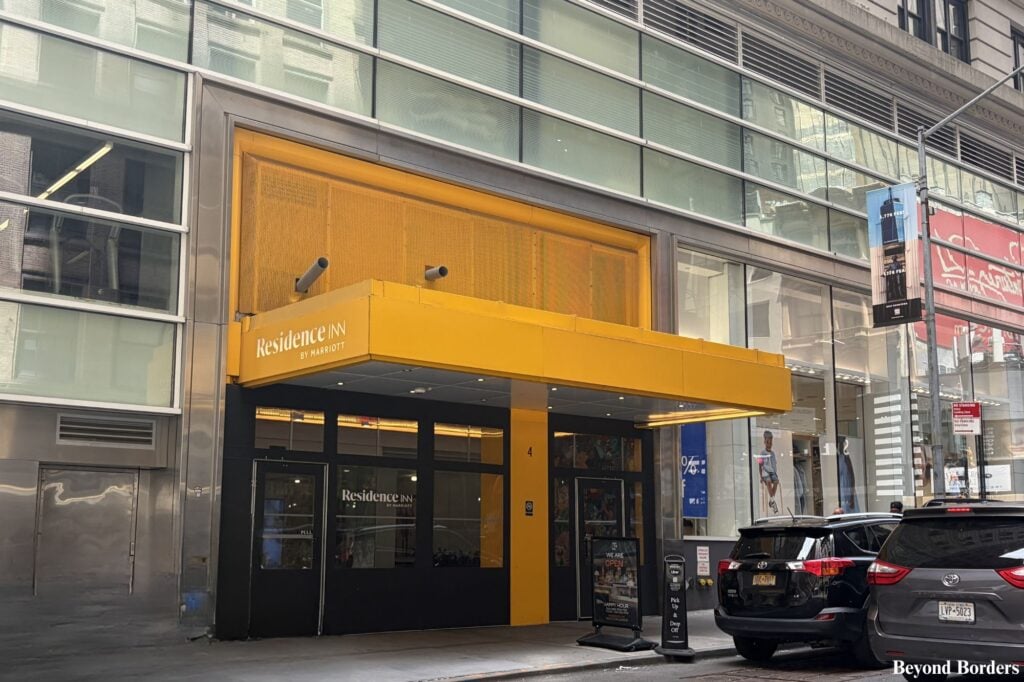
- For Midtown loyalists: If you want to stay in the middle of the action in Midtown, check out my booking strategy for my top Midtown NYC hotels, my guide to the best hotels near the Empire State Building, and my top 5 hotels near Grand Central (with a secret luggage hack!).
When to Consider an Airbnb or Vrbo in the Metro Area
Even with the strict regulations in place, traditional vacation rentals aren’t completely out of the picture. There are a few specific travel scenarios where booking through a platform like Vrbo or Airbnb makes perfect logistical and financial sense.
- You Are Booking a Long-Term Stay (30+ Nights): If you are a digital nomad, a remote worker, or someone relocating to the area, the city’s strict short-term laws don’t apply to you. Rentals are fantastic for month-long bookings, allowing you to settle into a true residential neighborhood, use a full kitchen, and avoid paying steep daily hotel taxes.
- You Generously Want the “Hosted” Experience: If you are a solo traveler or a couple traveling light, renting a private room inside a local’s apartment can be a wonderful way to see the city. You get built-in local advice, a cheaper nightly rate, and a glimpse into real New York living–just make sure you are comfortable sharing common spaces with your host!
My Local Insider Trick: The “Jersey Side” Workaround
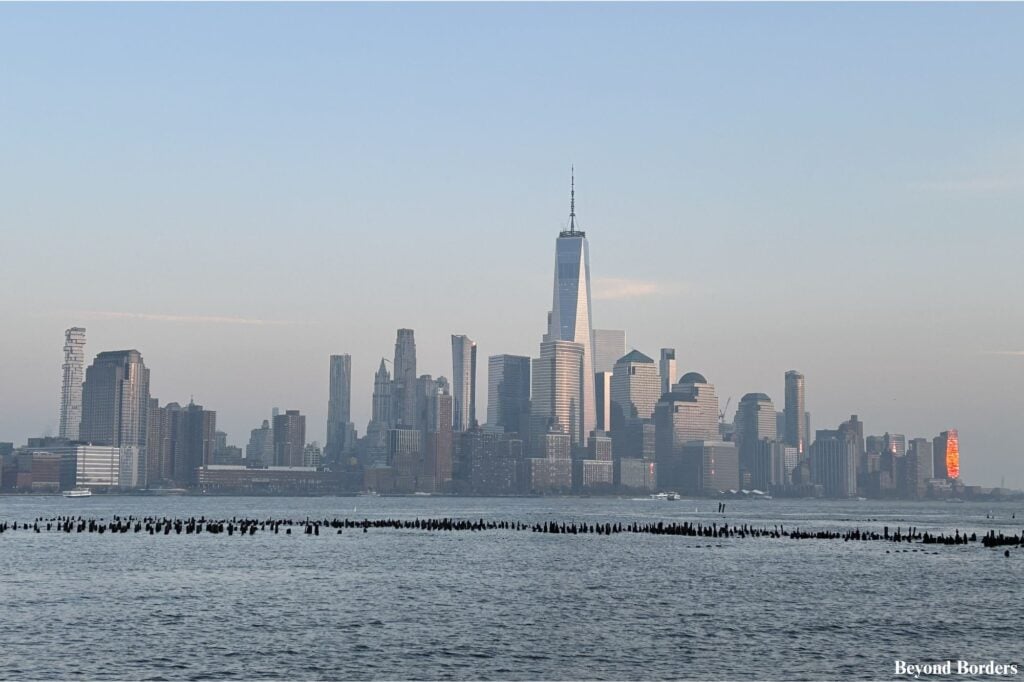
If you are traveling with a large family, a group of friends, or can’t imagine squeezing your group into a couple of tight Manhattan hotel rooms, there is an excellent loophole that most tourists completely miss: Look right across the Hudson River.
Cities like Jersey City and Hoboken sit directly across the Hudson River from Manhattan. Because they are in New Jersey, they do not fall under NYC’s Local Law 18 restrictions. While they have their own local rules, it is significantly easier to find legal, entire-home apartment rentals that can comfortably fit a whole family.
The best part? The transit connection is often faster than traveling from the outer boroughs of NYC to Manhattan.
Both Jersey City and Hoboken are connected to Manhattan by the PATH train (a rapid transit subway system). If you book a rental near a PATH station, you can board a train and step off in Lower Manhattan (World Trade Center) or Midtown (33rd Street) in roughly 15 minutes. You get the massive kitchen, the multiple bedrooms, and the extra living space of a traditional Airbnb or Vrbo without sacrificing your ability to explore New York City every single day.
If you choose the Hoboken route, your home base will be the historic Hoboken Terminal, which brings you straight into Midtown or Lower Manhattan. Over in Jersey City, you’ll want to look for rentals clustered around the Exchange Place or Grove Street stations–both are right on the waterfront. I recommend that you avoid booking out by the Journal Square station. While it’s on the same line as the other two stations, it sits much further west and will add an annoying chunk of extra commuting time to your vacation.
See the PATH system map and read more about the system, including weekday and weekend schedules, on the PATH official website.
Watch Out for the “NYC Bait-and-Switch” Scam
Because enforcement is so strict inside the five boroughs, some unverified hosts list gorgeous apartments in Manhattan, wait for you to book, and then message you a few days before arrival claiming there is an “emergency maintenance issue.” They will then offer to move you to their “other property” across the river in New Jersey. Never accept an off-platform property swap–it is a classic trick to bypass city tracking.
The Quick Deciding Checklist
If you are still unsure, use this rapid-fire checklist to help you finalize your choice!
You should 100% book a traditional NYC hotel if:
- [ ] Your trip is shorter than 30 days and you want an entire space to yourself.
- [ ] You are traveling with kids or a group larger than two people.
- [ ] You are arriving early in the morning and need somewhere to safely store your luggage.
- [ ] You want to be able to walk out your front door and step directly into a subway station.
You should consider an Airbnb or Vrbo if:
- [ ] You are staying in the city for a month or longer (digital nomad style).
- [ ] You are a solo traveler or a couple who loves the idea of home-sharing and staying with a live-in local host.
- [ ] You are willing to look at the “Jersey Side” (Hoboken/Jersey City) to get a larger apartment for a big family or large group.
FAQs: NYC Hotel vs Airbnb or Vrbo
Conclusions: Booking with Confidence
At the end of the day, New York City is a place where you want your home base to be as seamless as possible. The city is thrilling, fast-paced, and exhausting in the best way. After walking miles down Broadway or navigating the crowds at the Oculus, you want to know that your room is legal, your bed is waiting, and your booking is 100% secure.
For a classic vacation, skipping the rental platforms and sticking to a vetted hotel is the absolute safest way to protect your trip.
Now that you know how to navigate the system, it’s time to choose your neighborhood base. If you want to stay steps from the Brooklyn Bridge, Wall Street, and some of the best historic architecture in the city, check out my full neighborhood guide to the best hotels in Lower Manhattan. Or, if you want to stay in Midtown, dive into my detailed booking strategy guide on the best hotels in Midtown.
Safe travels, and enjoy your time in New York City!