Visiting NMAI NYC: At a Glance
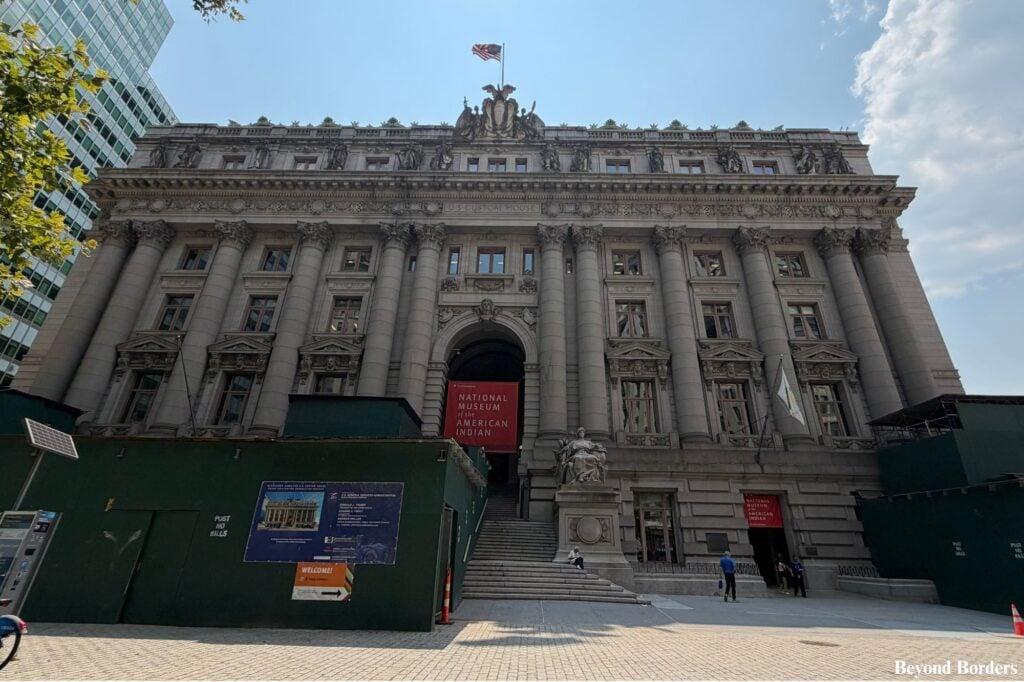
- Location: Alexander Hamilton U.S. Custom House, 1 Bowling Green in Lower Manhattan
- Admission: 100% free; no advance tickets or timed reservations required.
- Hours: Open daily from 10:00am–5:00pm (Closed Christmas Day).
- Exhibitions: Infinity of Nations and Native New York, plus rotating temporary exhibitions
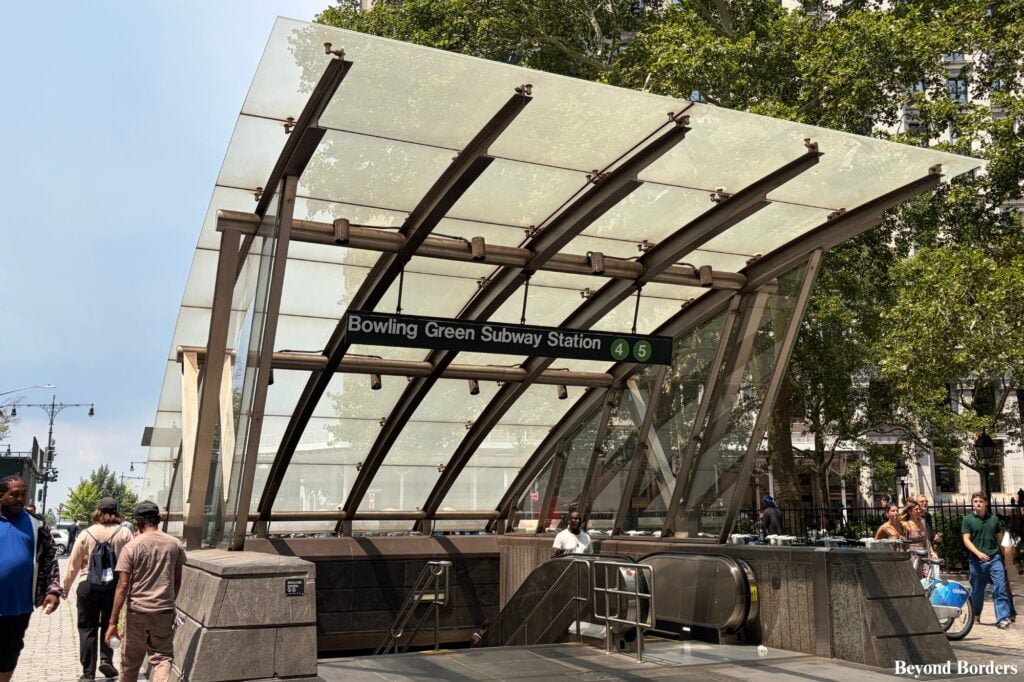
- Nearest Subway: 4 or 5 train to Bowling Green (exits directly in front of the museum).
- Alternative lines: R or W train to Whitehall St–South Ferry, 1 train to South Ferry, or J or Z train to Broad St.
- Time Needed: 1 to 1.5 hours for general visitors; up to 2.5 hours for detailed exhibition reading.
- Bag & Storage Policy: Security screening required at entry. Large luggage is strictly prohibited, and no public coat check or bag storage is available on-site.
- Accessibility: Fully ADA compliant. Street-level ramp access is located on the right side of the main building steps on Bowling Green.
Introduction
Housed inside the grand Alexander Hamilton U.S. Custom House at the base of Manhattan, the National Museum of the American Indian NYC is one of the best free places to visit in Lower Manhattan. Because it is a federal facility, navigating entry involves a quick security checkpoint, multi-level gallery layouts, and specific bag policies before you reach the exhibits. This step-by-step visitor guide covers everything you need to know to plan a seamless visit–from subway directions at Bowling Green to exhibit navigation, rotunda highlights, and elevator access.
Jump to my Quick-Reference FAQs ↓ at the bottom of this guide if you have a specific question!
Getting to the Museum: Transit & Location
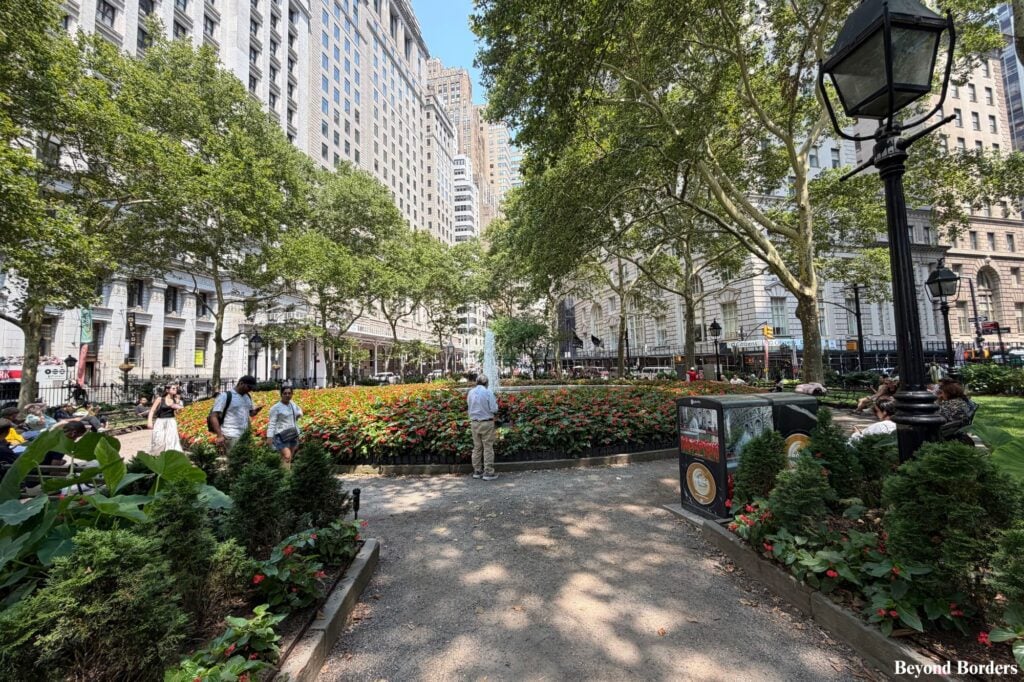
The National Museum of the American Indian is located at 1 Bowling Green, situated inside the Alexander Hamilton U.S. Custom House, right across from Bowling Green Park at the southernmost tip of Broadway,
Nearby Subway Lines
- 4 or 5 train to Bowling Green (Best Option): Exiting at Bowling Green drops you out directly across Bowling Green from the museum’s front steps. This station is fully accessible via elevator.
- R or W train to Whitehall Street–South Ferry: Exit onto Whitehall or State Street; the museum is a 3-minute walk north.
- 1 train to South Ferry: Walk north along State Street for about 4 minutes until you see the museum.
- J or Z train to Broad Street: Walk south on Broad Street, then turn right onto Beaver Street toward Broadway (approx. 6-minute walk).
Unsure about navigating the trains? Read my step-by-step guide to using the NYC subway to navigate the city like a local!
Landmarks & Visual Cues
If you are arriving on foot from nearby Lower Manhattan attractions:
- From the Charging Bull: Walk south for one block down Broadway; the museum’s massive grand staircase sits directly at the end of the road facing Bowling Green Park.
- From Battery Park: Cross State Street heading north.
Security & Item Guidelines
Because the museum is housed inside a historic federal facility, all visitors must pass through a security checkpoint–including a metal detector and bag screening–upon entering the Alexander Hamilton U.S. Custom House.
What You Can Bring
- Water Bottles: Sealed, leak-proof reusable water bottles and thermos flasks are allowed inside the building. However, they must stay inside your bag or backpack while walking through exhibition galleries.
- Sealed Food & Snacks: Pre-packaged snacks, granola bars, and sealed food containers are permitted past security as long as they stay closed in your bag.
- Strollers & Wheelchairs: Fully permitted throughout all entrance points, public halls, and elevators.
- Small Backpacks & Daypacks: Standard backpacks and tote bags are allowed inside. Security officers may request that you wear backpacks on your front or carry them down by your side in tight gallery spaces to prevent accidentally bumping display cases.
What to Leave Behind
- Sharp Objects & Tools: Pocket knives, multi-tools, utility blades, and scissors are strictly banned. They will be confiscated at the metal detector checkpoint.
- Open Food & Unsealed Drinks: Disposable coffee cups, fast food, and unsealed beverages cannot be brought past security. Finish or throw them away outside before entering.
- Large Luggage: Oversized suitcases and large rolling bags are not permitted inside, and the museum does not offer a luggage storage or coat check service for large bags.
- Selfie Sticks & Tripods: Flash photography, tripods, monopods, and selfie sticks are prohibited inside all exhibit spaces.
My Insider Advice:
If you packed a lunch or snacks for your day in Lower Manhattan, keep everything sealed until you finish your visit. The outdoor benches at Bowling Green or Battery Park offer plenty of seating to enjoy a quick bite before or after your visit.
Inside the Custom House: The Rotunda
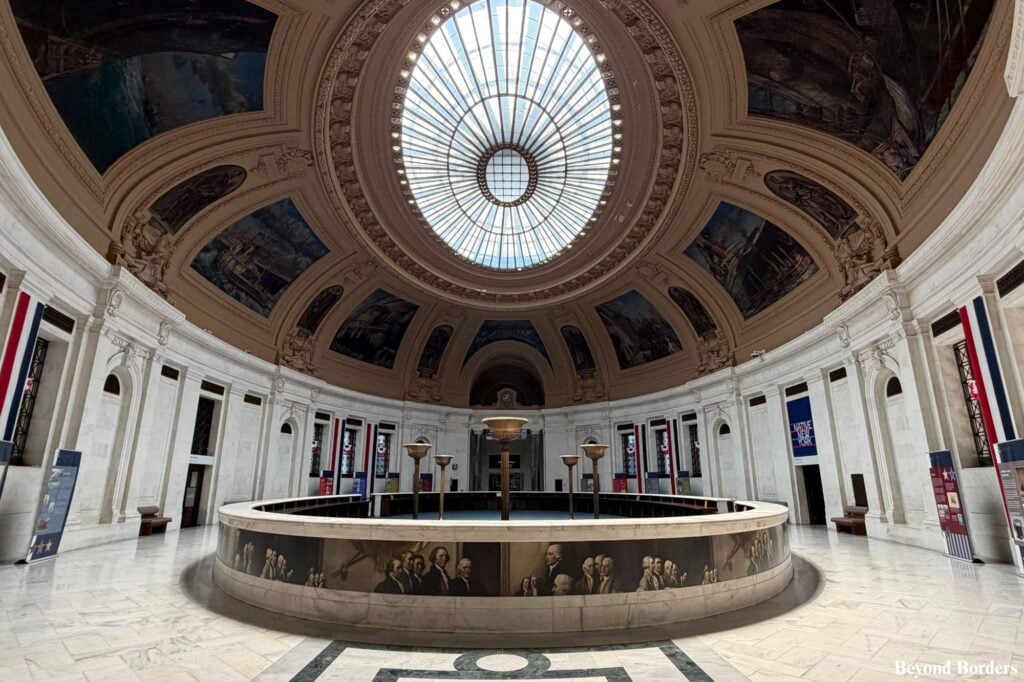
Once you clear security on the main floor (2nd level), you enter the spectacular central hall of the Alexander Hamilton U.S. Custom House. Before walking into the gallery wings, take a moment to look up and explore the building’s signature architectural feature: the Alexander Hamilton Rotunda.
Architectural Highlights to Notice
- The Guastavino Tile Dome: The massive oval rotunda features an elliptical ceiling made of self-supporting tile built by the famous Rafael Guastavino. The center features a massive 140-ton glass skylight that fills the hall with natural light.
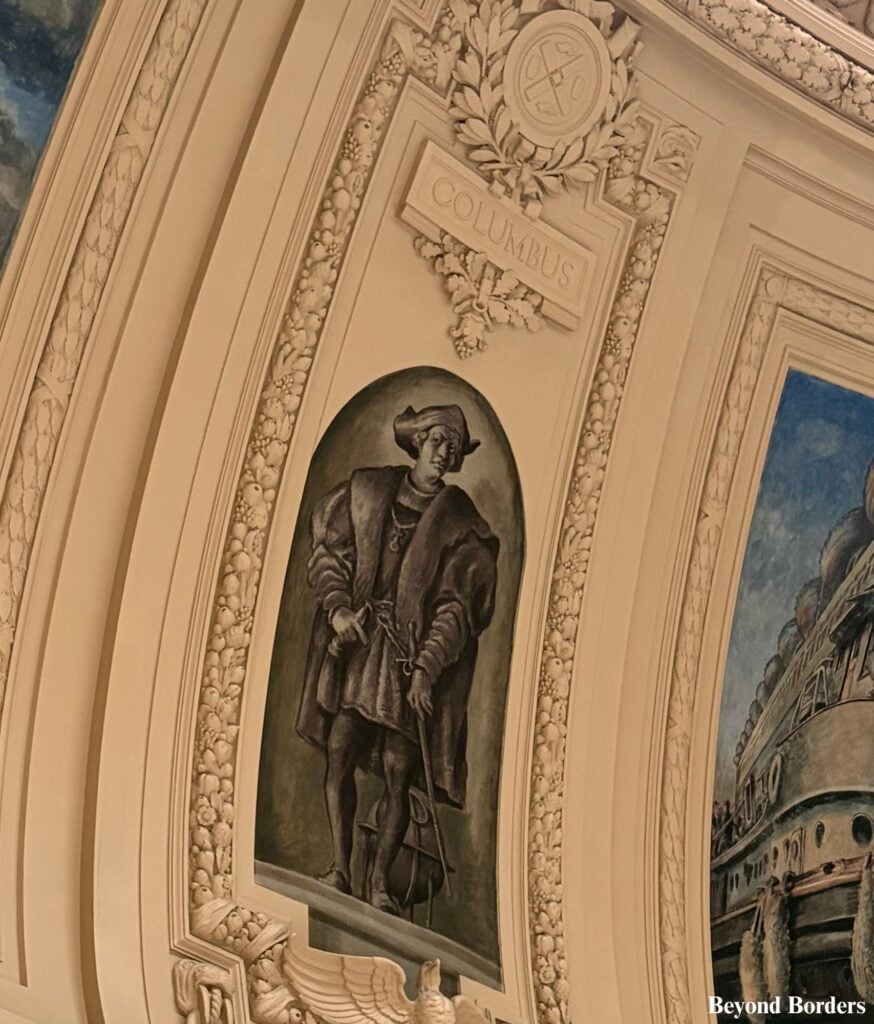
- The Reginald Marsh Murals: Surrounding the upper rim of the dome are eight large maritime murals painted in 1937 by Reginald Marsh, depicting ocean liners entering New York Harbor alongside prominent historical figures like explorer Henry Hudson.
- Ornate Nautical Details: Because this building originally served as the U.S. Customs Service headquarters collecting import duties, the surrounding marble columns, bronze sconces, and doorways are decorated with intricate carvings of ships, sea life, and nautical motifs.
The Museum’s Central Hub
The Rotunda acts as the central orientation space for the entire museum. From this room, you can access:
- East & West Gallery Wings: Direct arched doorways lead to the museum’s core permanent and rotating exhibitions. During my visit, the East Gallery was closed.
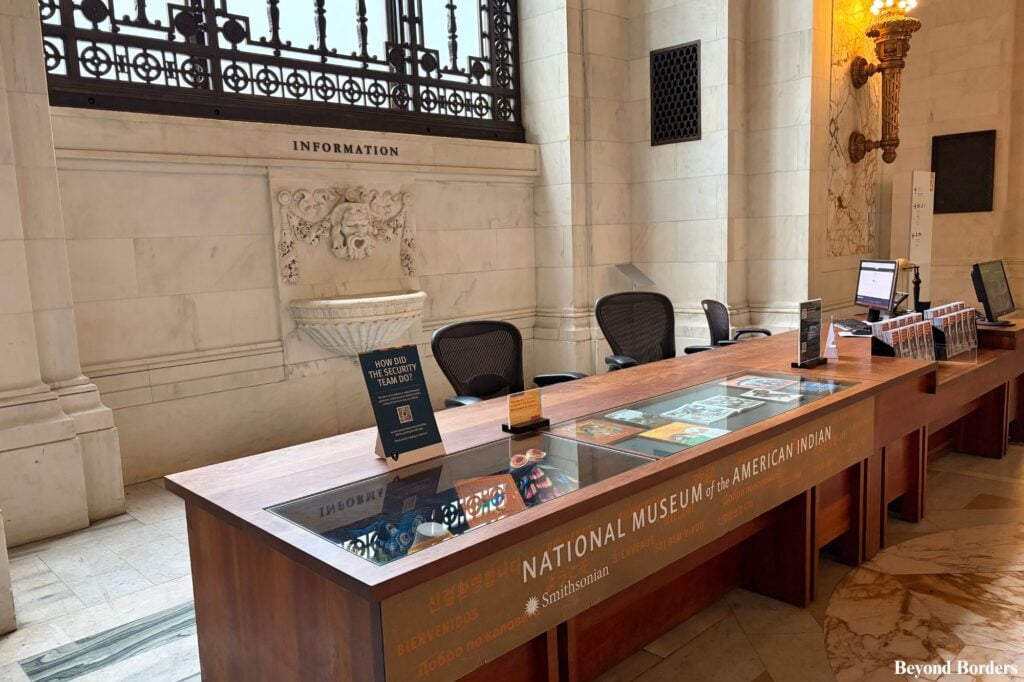
- Information Desk & Maps: Located near the center of the hall, where staff can provide museum maps and answer questions.
- Benches & Rest Areas: Plenty of wooden perimeter seating if you need a place to sit or look at your map before heading into the galleries.
Pro-Tip:
The Rotunda gets incredible natural sunlight during midday, making it the best spot in the building for wide architectural photos. Flash photography is prohibited throughout the building, but ambient daylight in this room makes capturing sharp images easy.
NMAI’s Permanent & Rotating Exhibits
Connected to the Rotunda are the museum’s main galleries. Because the museum’s collection spans Indigenous groups across North, Central, and South America, the exhibits are thoughtfully organized by geographic region, theme, and contemporary story. Make sure to visit the NAMI official website to see rotating and contemporary exhibitions and galleries before your visit.
Major Permanent Exhibitions
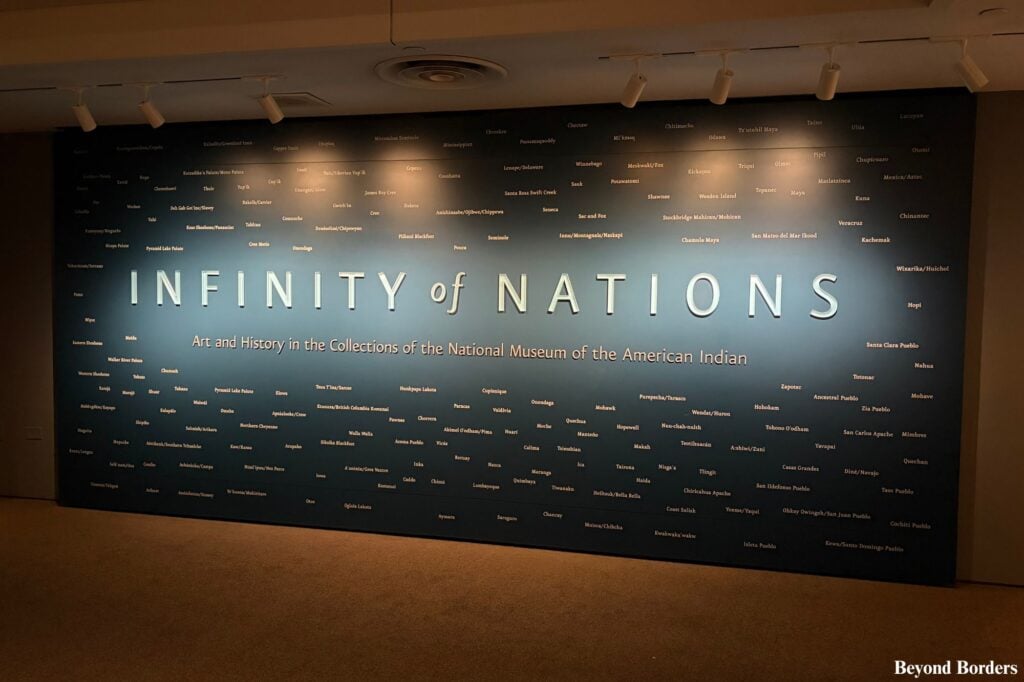
Infinity of Nations
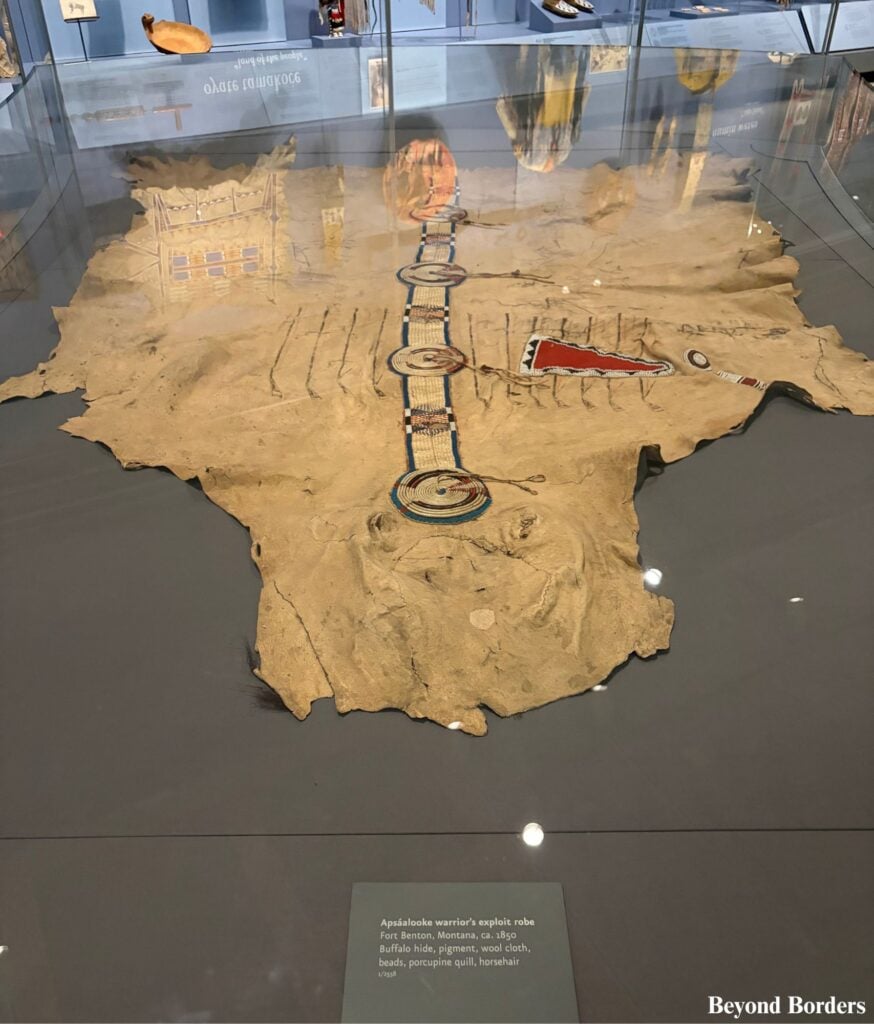
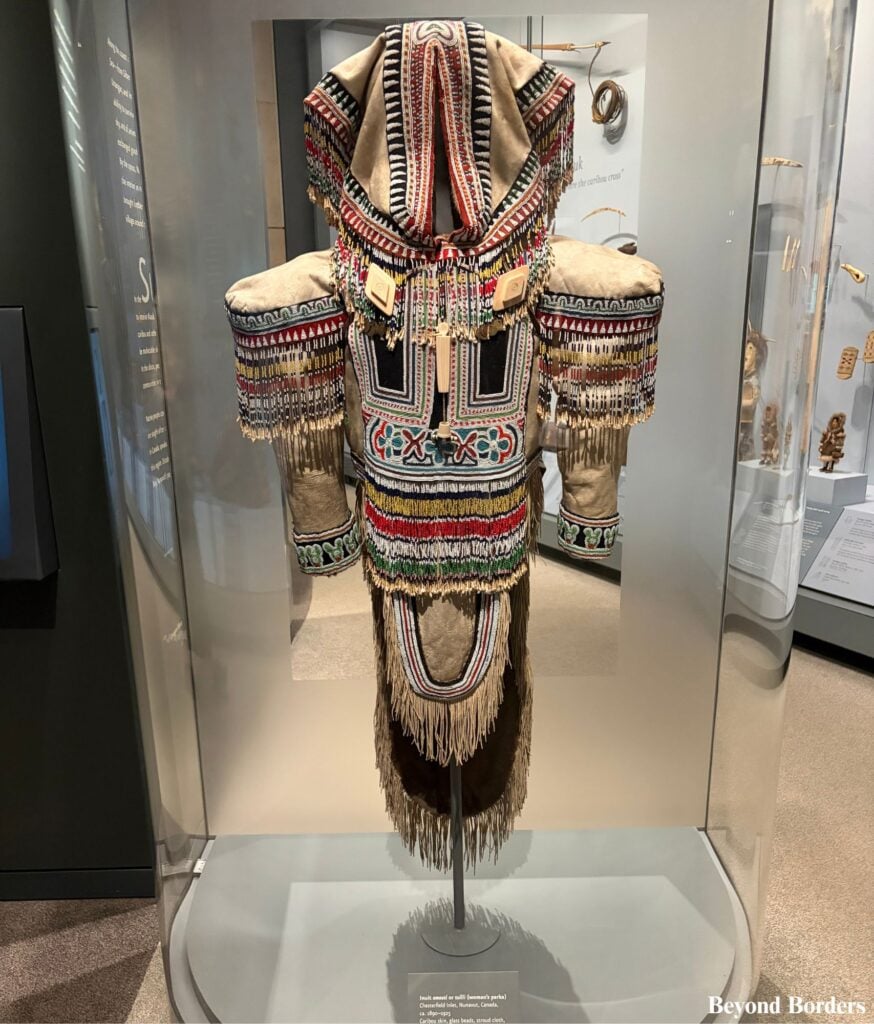
- The Focus: This is the museum’s core permanent anchor exhibition. It showcases over 700 incredible works of art, historical garments, headdresses, textiles, and everyday tools representing hundreds of Native nations throughout the Americas.
- Key Highlights: Look for exquisite Amazonian featherwork, Mapuche silverwork from South America, and intricate painted buffalo hides from the Great Plains.
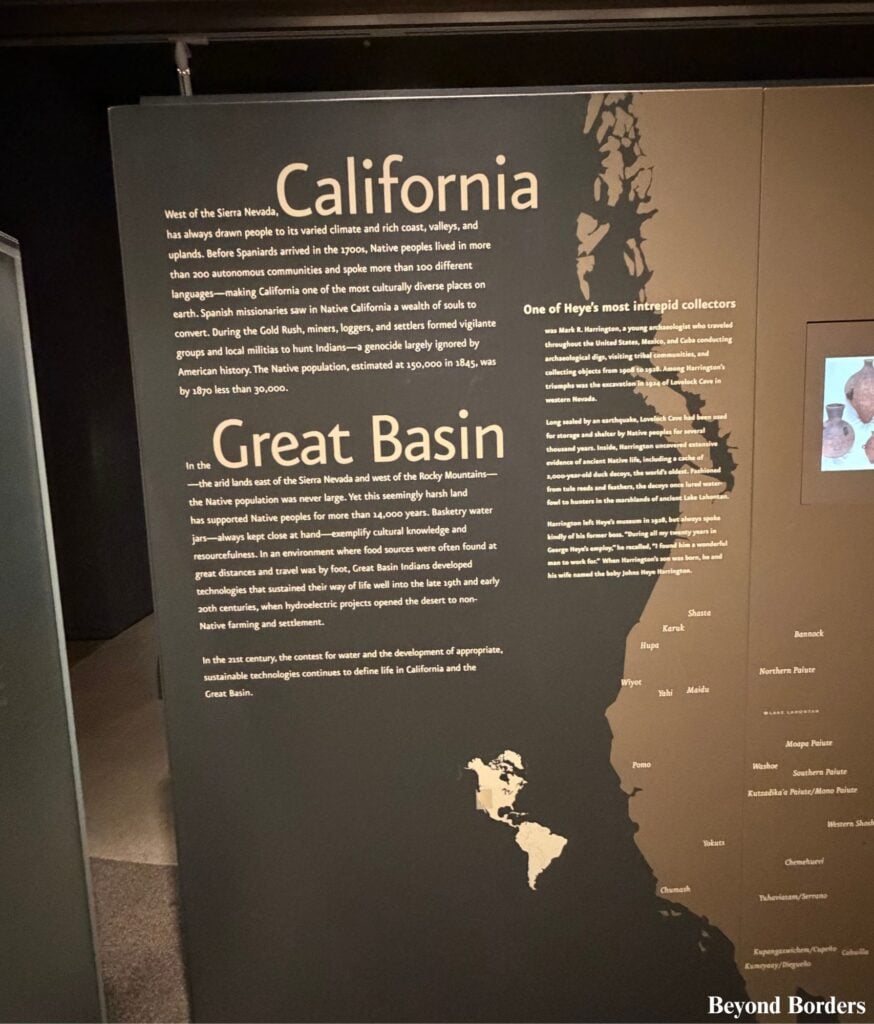
- Layout Style: The exhibit is organized by geographic region. Each has glass display cases lining the wide, dimly lit gallery walls, with clear digital touchscreens and wall cards that provide in-depth historical context on various artifacts and the North American regions they came from.
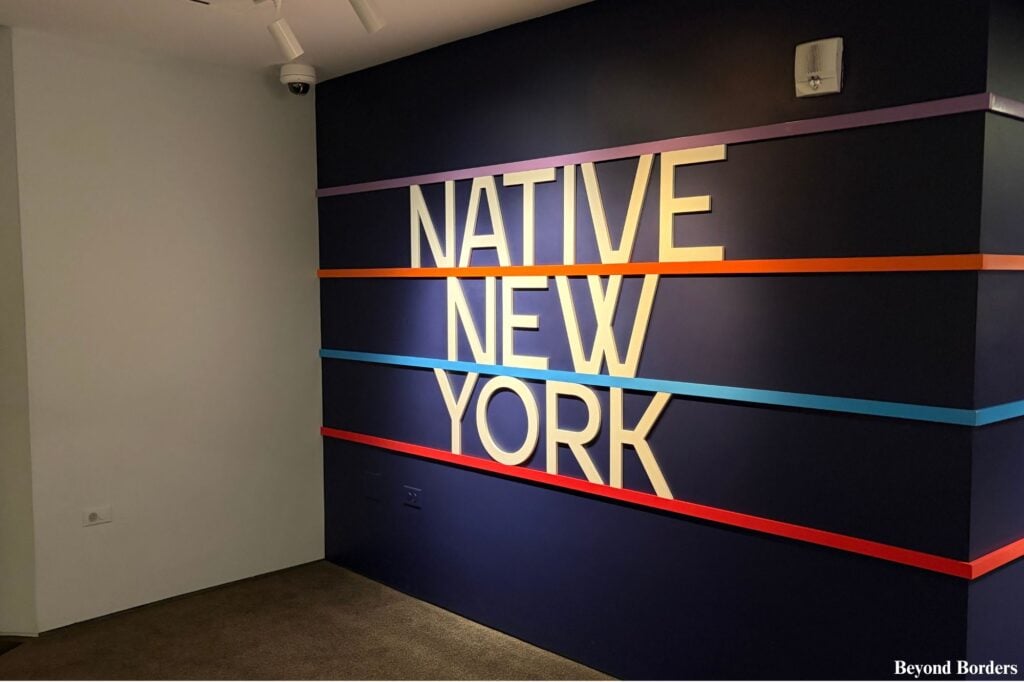
Native New York
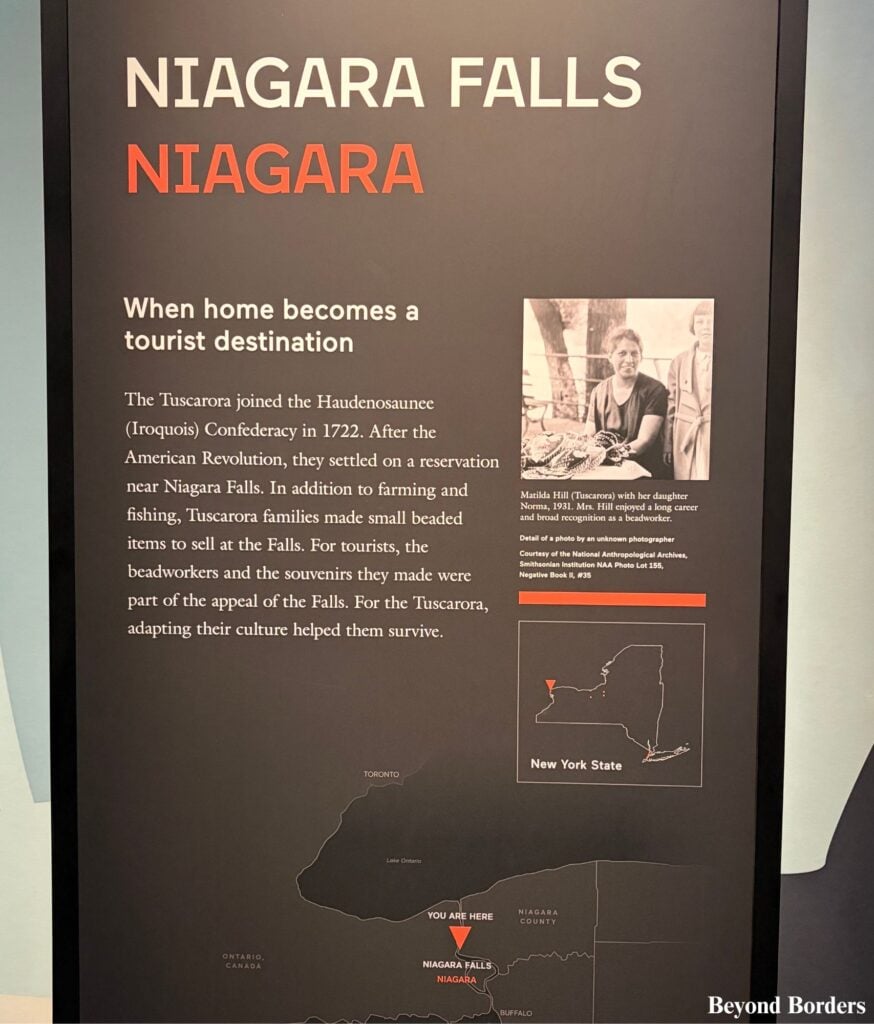
- The Focus: A fascinating exhibit that explores how twelve specific places across present-day New York–from Long Island to Niagara Falls–were original Native homelands. The displays show how Native nations helped build and shape the state, showing how Indigenous history is directly woven into the streets and landmarks of NY State and NYC today.
- Key Highlights: Make sure to read the displays on Native Americans’ impact on Long Island, the construction of the Empire State Building, and Niagara Falls. These were personally my favorite parts of this exhibit!
Rotating & Contemporary Galleries
In addition to the main permanent exhibits, side galleries host temporary installations that usually run for 12 to 24 months. These spaces often showcase modern Native American photographers, contemporary sculptors, comic book art, and topical installations that explore current Indigenous cultures and identities.
Pro-Tip:
While photography is permitted throughout most of the museum, flash is strictly prohibited to protect sensitive organic materials like textiles and feathers. Stand slightly to the side of glass display cases when photographing artifacts to avoid catching overhead light reflections in your shot!
Restrooms, Accessibility & Amenities
Navigating the historic Custom House building is straightforward once you know where essential facilities are located.
Restrooms & Water Stations
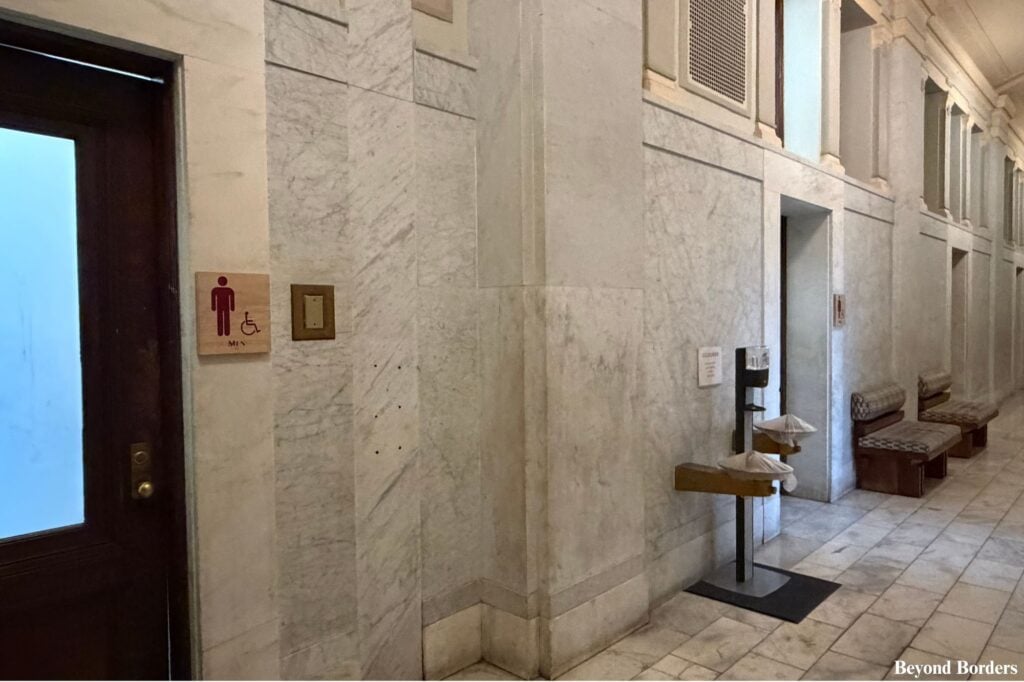
- Location: Public restrooms are located on the Lower Level (accessible via the main elevators or stairs off the Rotunda) as well as on upper floor levels.
- Accessibility: Wheelchair-accessible stalls and single-occupancy family restrooms are available.
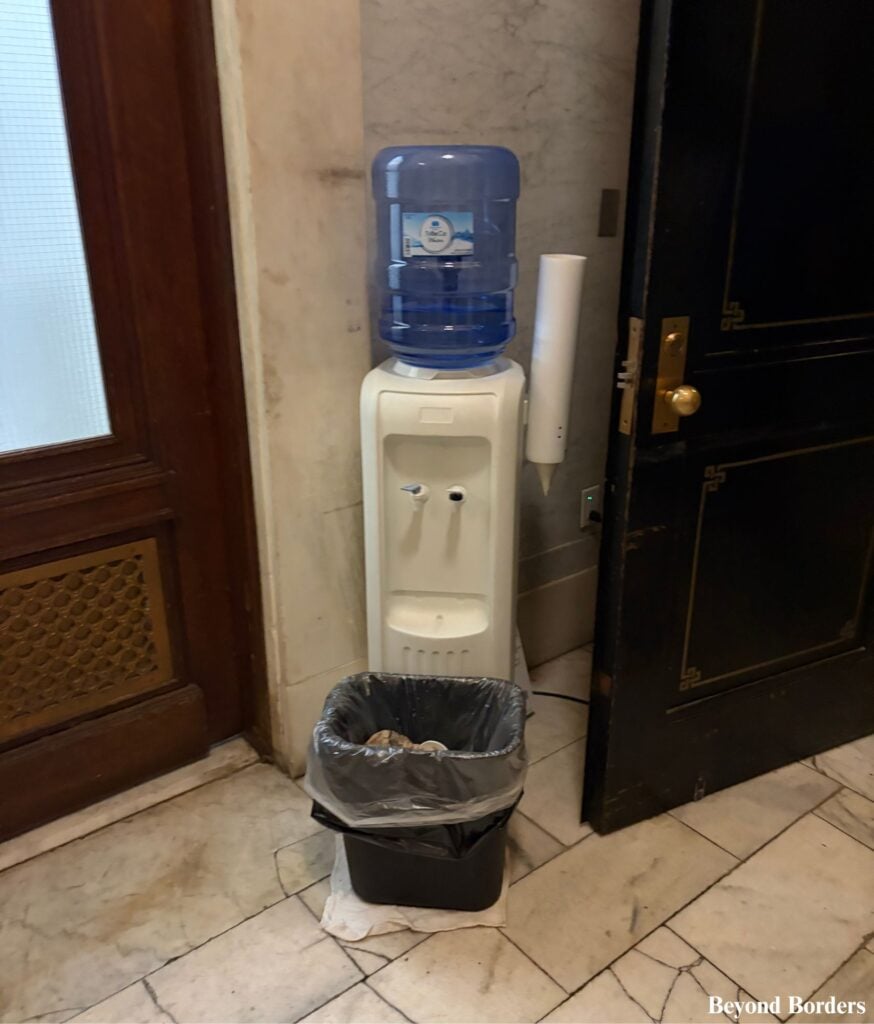
- Water Refill: Reusable water bottle refilling stations are located next to the lower-level restroom entrances–a great spot to refill your bottle before heading back out to explore Lower Manhattan.
Elevators & Accessibility Access
- Step-Free Entrance: While the front of the building features a grand exterior staircase, an accessible street-level entrance with a ramp is located to the right of the grand staircase, on the ground floor.
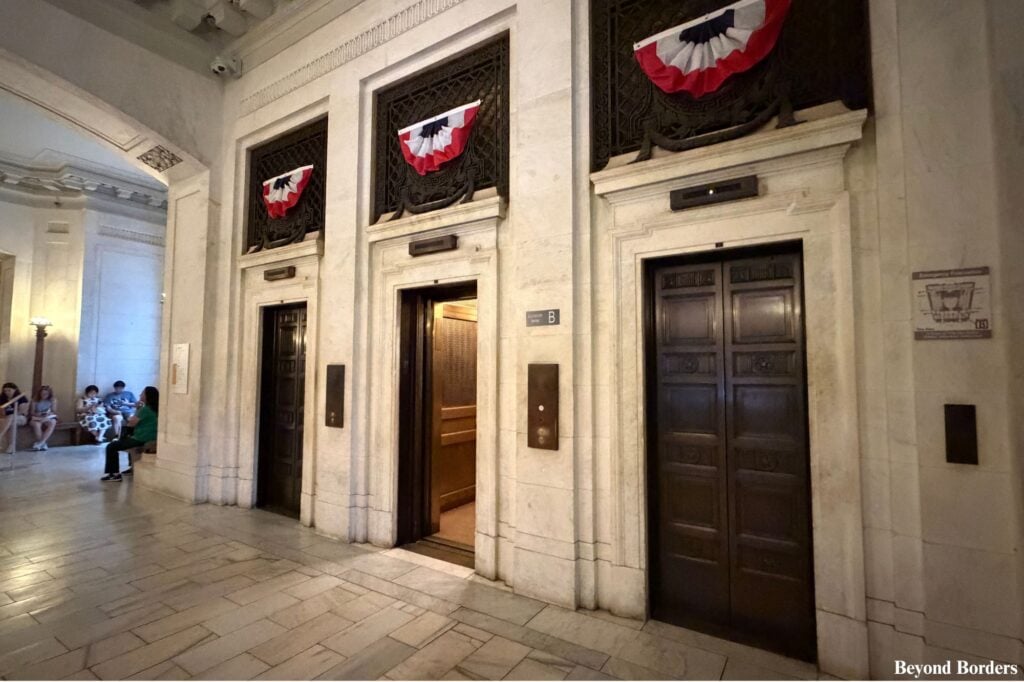
- Elevators: A central bank of public elevators connects all levels–from ground entry and security up to the Rotunda gallery floor and lower-level restrooms.
- Wheelchairs & Strollers: The museum galleries, wide corridors, and Rotunda are fully step-free and spacious enough for easy maneuvering with strollers or mobility devices. Manual wheelchairs are also available to borrow free of charge at the main entrance on a first-come, first-served basis.
The Museum Store
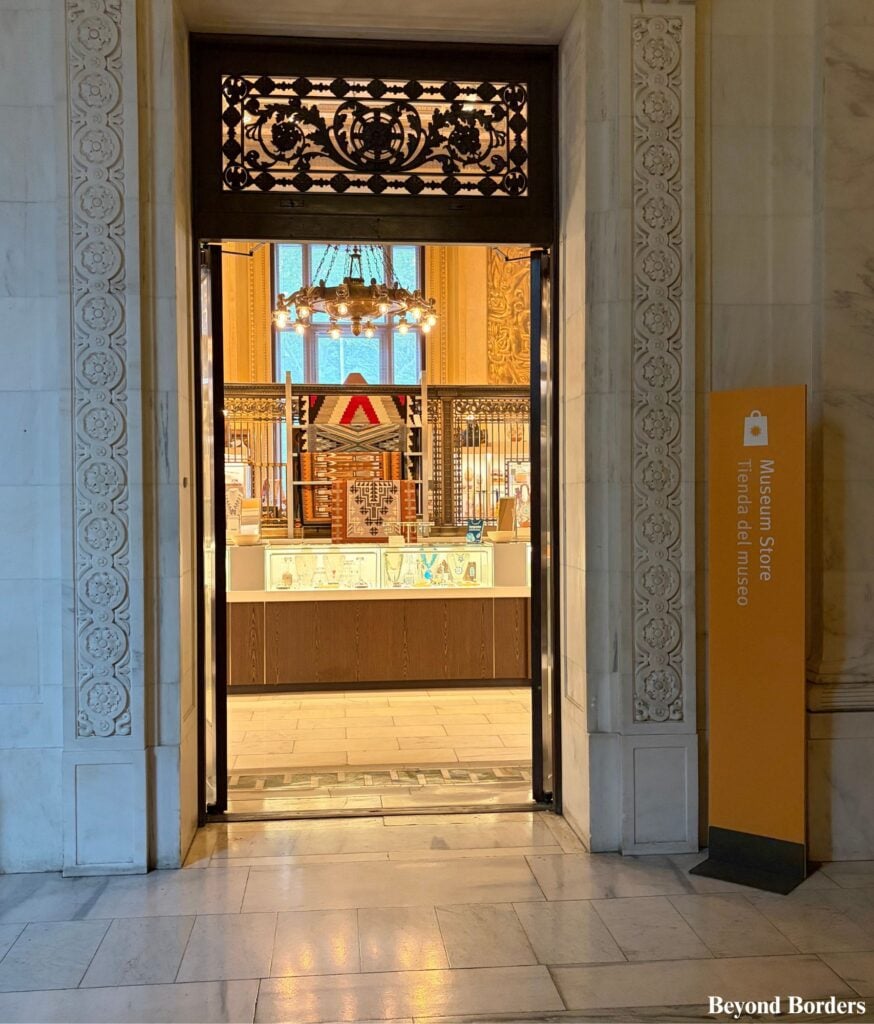
Located off the main level near the entrance, the George Gustav Heye Center Store features a curated selection of authentic Indigenous art, handmade jewelry, pottery, textiles, books, and children’s toys. Souvenirs like clothing, pens, and magnets are also available. Purchasing items here directly supports Native artisans and education.
How Long to Spend & What to See Next
How Much Time Do You Need?
- Average Visit: 1 to 1.5 hours. This is plenty of time to clear security, admire the Rotunda, and walk through both major permanent exhibitions (Infinity of Nations and Native New York). I was there for 1.5 hours.
- Deep Dive/Families: 2 to 2.5 hours. Budget a bit more time if you plan to read every artifact placard, browse the museum shop, or bring kids through the interactive imagiNATIONS Activity Center.
Because admission is 100% free and requires no timed reservation, it’s one of the easiest museums in NYC to pop into for a quick 45-minute architectural walk-through without feeling like you need to “get your money’s worth.”
Perfect Nearby Pairings
Since the museum sits right on Bowling Green at the southernmost tip of Manhattan, it pairs seamlessly with several iconic downtown stops, all within a 2- to 5-minute walk:
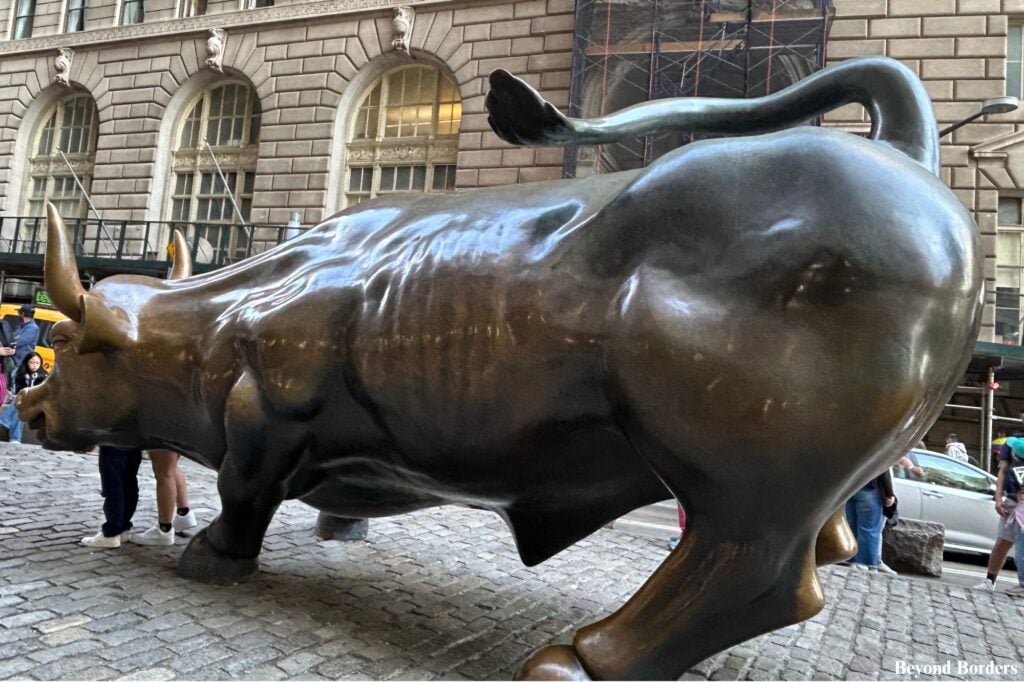
- Bowling Green & Charging Bull (1-minute walk): Located right outside the museum doors. Step into NYC’s oldest public park or grab a photo with the famous bronze bull across the street.
- Battery Park & Staten Island Ferry (3-minute walk): Head south toward the waterfront for open harbor views or to take the free Staten Island Ferry. To learn more about taking the Staten Island Ferry and how to get the best views of the Statue of Liberty, the lower Manhattan skyline, and the harbor, read my guide to NYC’s best free skyline views!
- Note: If you wish to visit Liberty Island, read my Staten Island Ferry and Statue City Cruises comparison to see total costs and time needed.
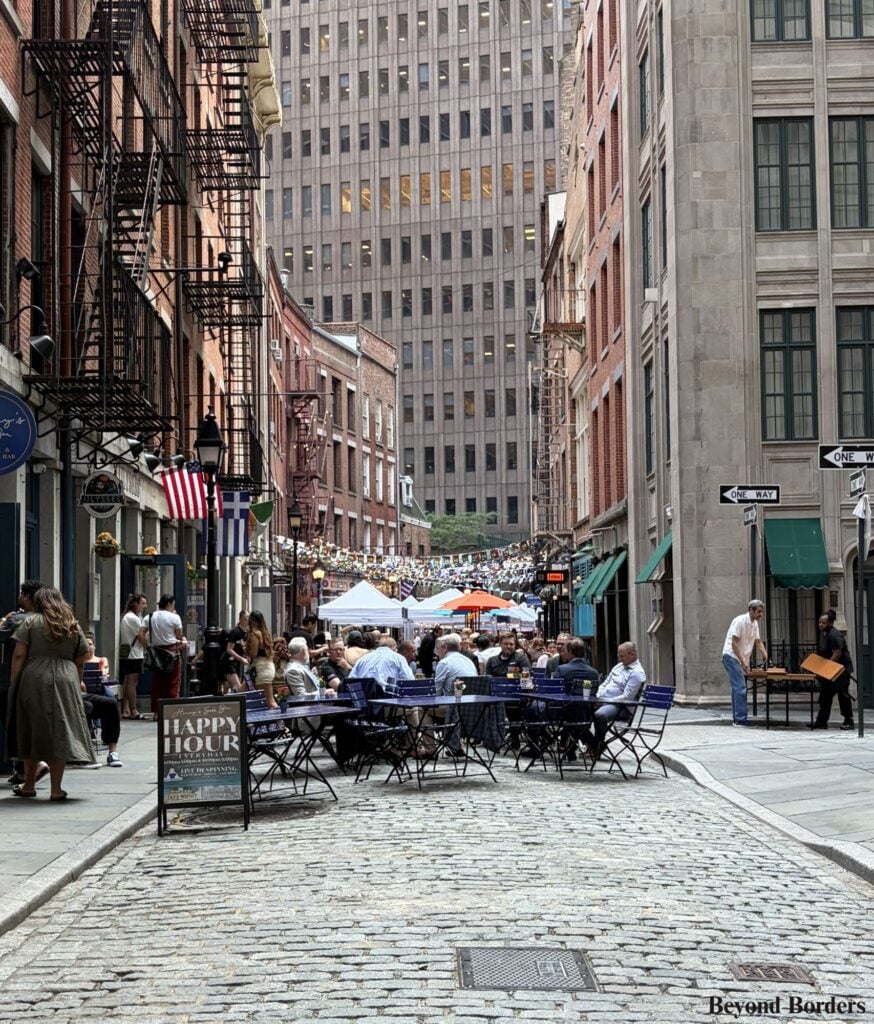
- Stone Street (5-minute walk): Walk east for cobblestone alleyways, outdoor seating, and food options after your visit.
- Read my guide to Stone Street NYC to see the best time to visit, what to see, and what to avoid so you do not experience Stone Street as a tourist trap.
- Fraunces Tavern (5-minute walk): Perfect for history buffs wanting to grab food or a drink inside one of NYC’s oldest Revolutionary War-era taverns.
FAQs: Visiting NMAI NYC
Conclusions: Is NMAI NYC Worth Visiting?
Whether you are a first-time tourist navigating Lower Manhattan or a local looking for a quiet, high-value indoor spot, the National Museum of the American Indian NYC is well worth a stop on your itinerary. Between its breathtaking Beaux-Arts architecture, rotating contemporary art, and deep historical exhibits, it offers a rich cultural experience–all completely free of charge.
Because a visit takes just over an hour and puts you right at Bowling Green, it serves as an ideal anchor before exploring Battery Park, hopping on the Staten Island Ferry, or walking over to Wall Street. Have questions about security lines, bag sizes, or building your Lower Manhattan walking route? Drop a comment below, or check out our related guides to neighborhood dining and nearby landmarks to finalize your daily itinerary!