
Introduction
Planning a multi-island Hawaiian trip can be a challenge, but with the right 2 weeks in Hawaii itinerary, it doesn’t have to be. I’ve taken the stress out of the logistics so you can fully enjoy your vacation. This guide is the perfect balance of adventure and relaxation, with plans for exploring famous parks and attractions and ample time to unwind on stunning beaches. You’ll get to hike volcanic craters in Oahu, drive the legendary Road to Hana in Maui, and discover the breathtaking landscapes of Kauai. Get ready for the ultimate 2-week adventure in Hawaii!
Disclaimer: This post is not sponsored. This post contains affiliate links. If you book through these links, I may earn a small commission at no extra cost to you. This helps me continue sharing guides like this one. I only recommend places I’ve researched and/or personally love.
Important Notes
- This itinerary includes fourteen full days to explore Oahu, Kauai, and Maui, Hawaii. This includes 3 days on Oahu, 6 days on Kauai, and 5 days on Maui.
- New for 2026: Hawaii has introduced a visitor impact fee (approx. $25) aimed at protecting the islands’ natural resources. This is often bundled into your hotel/resort fee or collected via a state-run app. Keep your digital receipt on your phone, as some state parks may ask for it.
- Hawaii Budget Tip 2026: Car rental prices have surged on Kauai. If Turo is booked up (which I write about in my post on the best travel apps), look into Hui Car Share, a local app that allows you to rent cars by the hour or day directly from stations around Lihue
- There are no time constraints in this itinerary, allowing you to explore the islands at your own pace and keeping in mind potential traffic and the lengths of different tours you might choose.
Day 1: Explore Waikiki
Note: For the Oahu part of this itinerary, no rental car is needed.
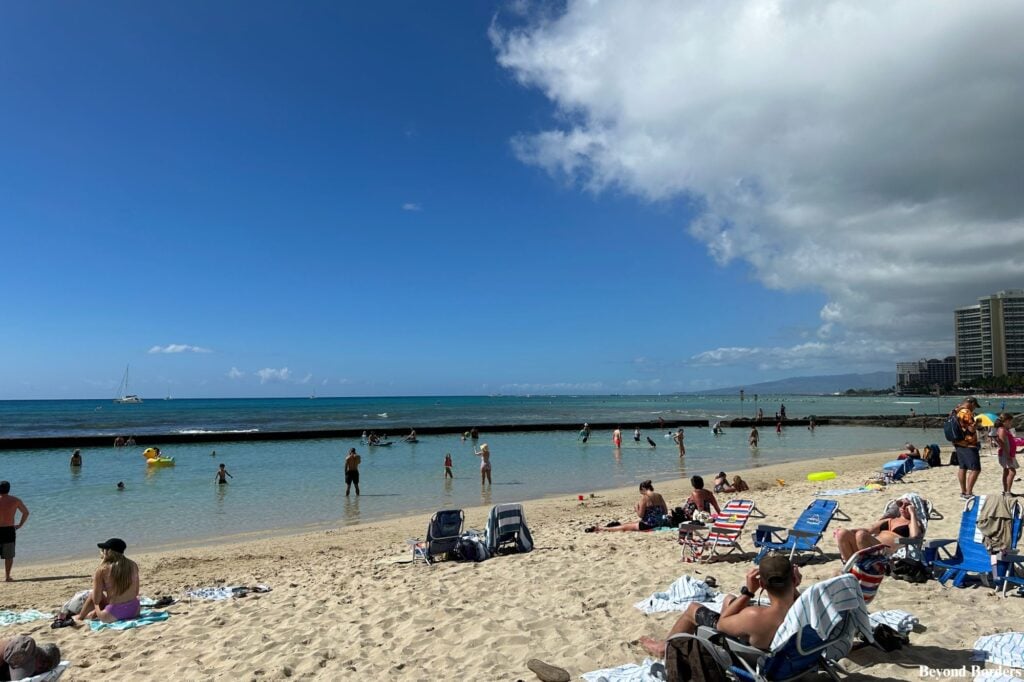
After you’ve settled into your accommodation (which I recommend booking here), spend your first day in Hawaii unwinding and exploring the famous Waikiki area. Begin by relaxing on the world-renowned Waikiki Beach, one of the highest-rated in the USA, where you can take in your first breathtaking views of the Pacific Ocean and the iconic Diamond Head volcano in the distance.
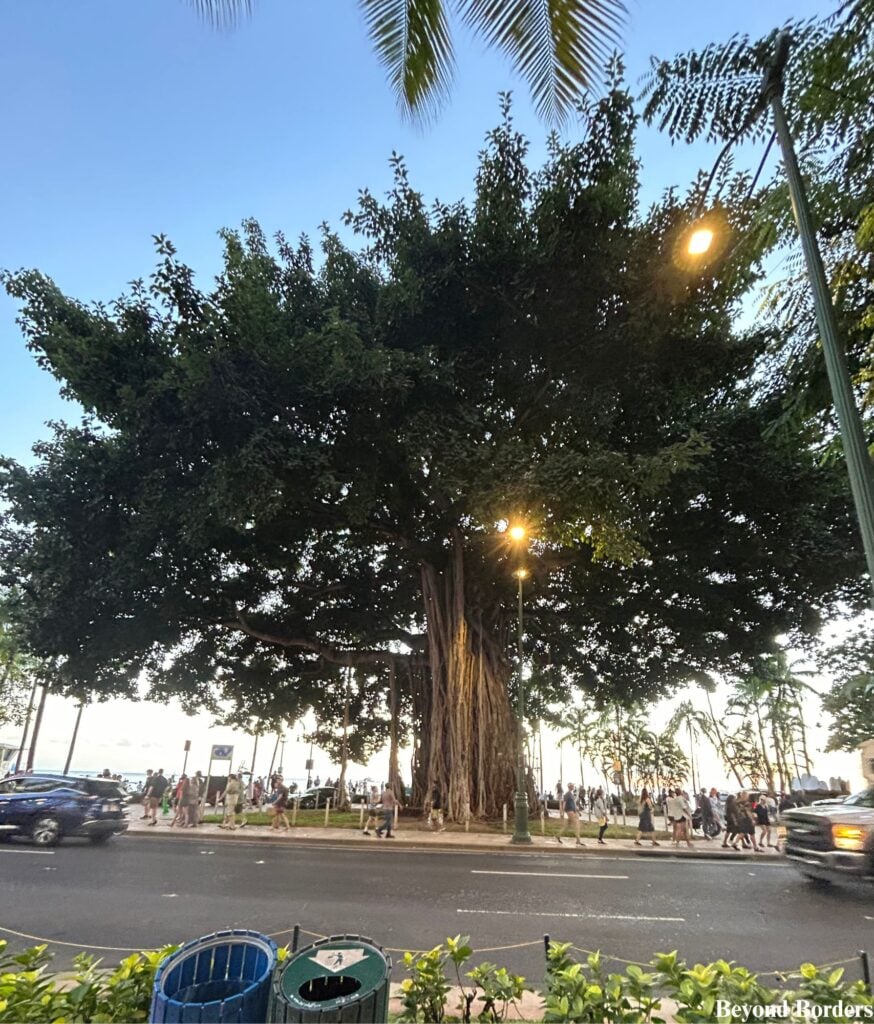
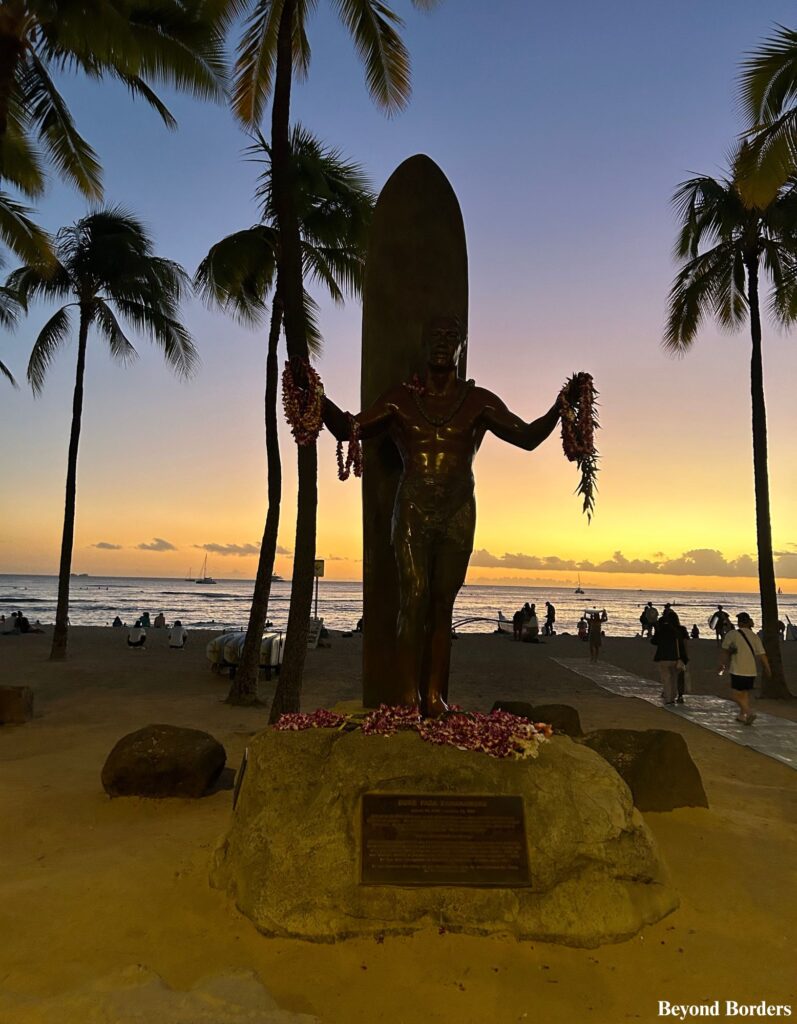
Later, take a stroll down Kalākaua Avenue, the busy main street that runs parallel to the beach. You can browse the high-end designer stores and restaurants, and wander through the open-air walkways of the International Marketplace and Royal Hawaiian Center for a mix of shops and casual dining options. If you’re up for more shopping, consider a short 10-minute Uber or Lyft ride to the massive Ala Moana Center, which has hundreds of stores and a huge food court.
Day 2: Pearl Harbor
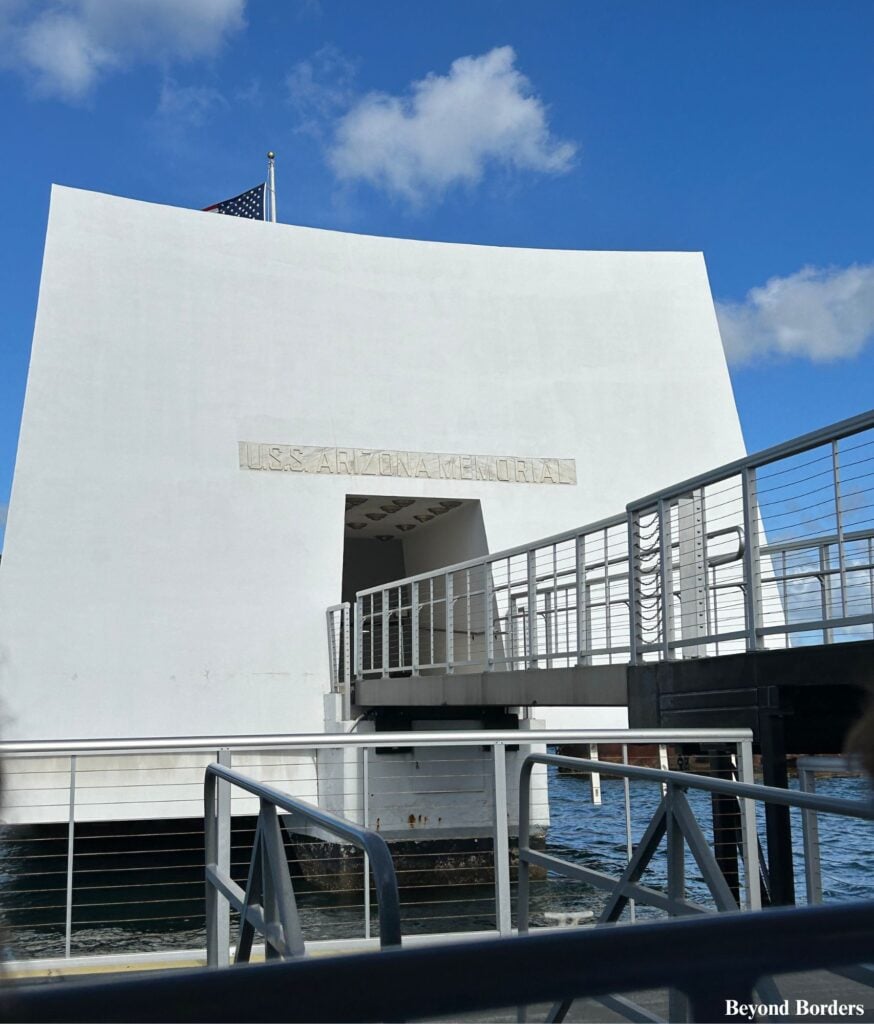
Today, take a tour of Pearl Harbor. The Pearl Harbor National Monument is a solemn and powerful site that commemorates the events of December 7, 1941. Visiting this landmark is an incredibly moving experience, offering a chance to reflect on a pivotal moment in American history. You will be able to walk around the monument, including the boat ride to the USS Arizona Memorial if you wish, which is built over the remains of the sunken battleship and serves as the final resting place for its crew. I did this tour of Pearl Harbor and downtown Honolulu on Viator. This tour includes the boat ride to the USS Arizona Memorial, which is a separate expense from visiting Pearl Harbor.
If you wish to visit the USS Arizona Memorial on your own, make sure to purchase tickets/book a tour in advance to be able to visit. For 2026, reservations for the USS Arizona are released in two windows: 8 weeks in advance and a smaller batch 24 hours in advance at 3pm HST (5 hours behind EDT). Do not wait until the morning of—these are gone within seconds!

Day 3: Diamond Head State Monument Sunrise Hike and the Beach
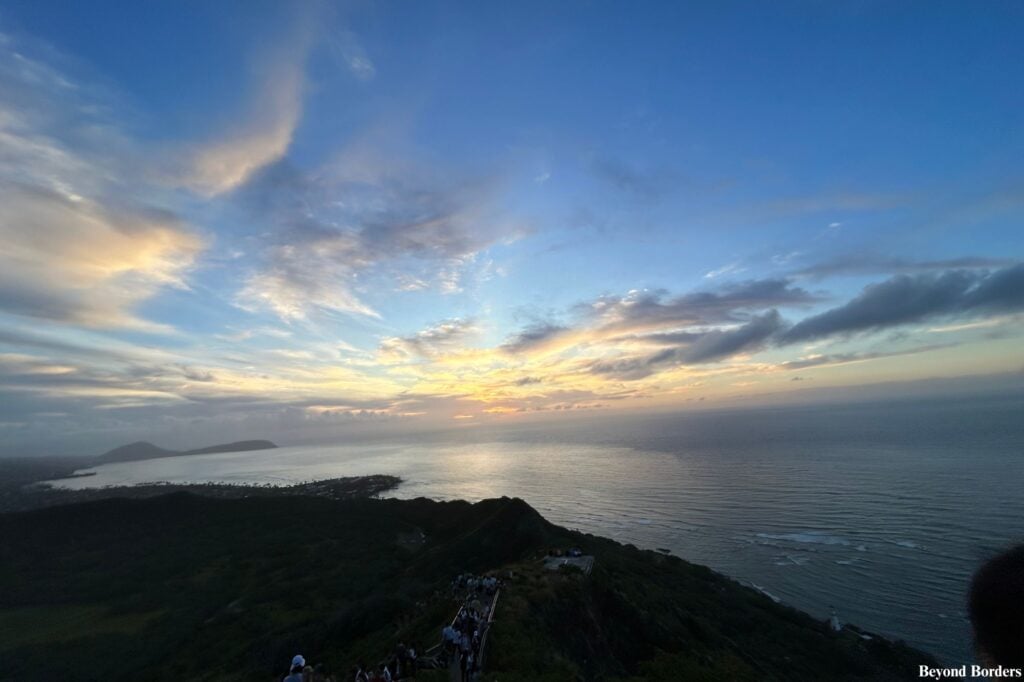
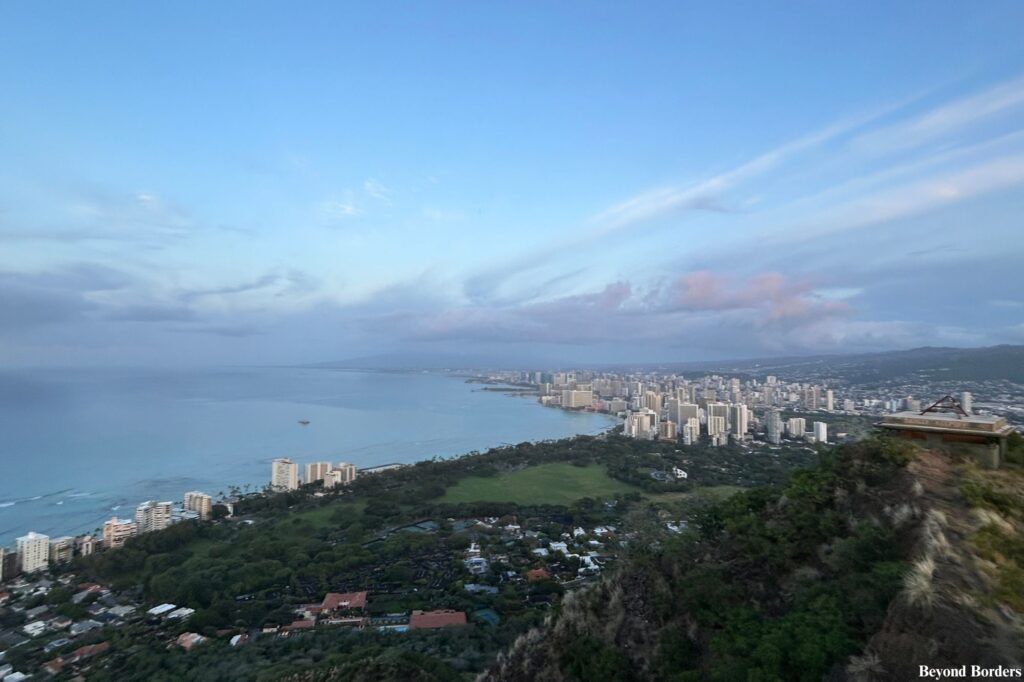
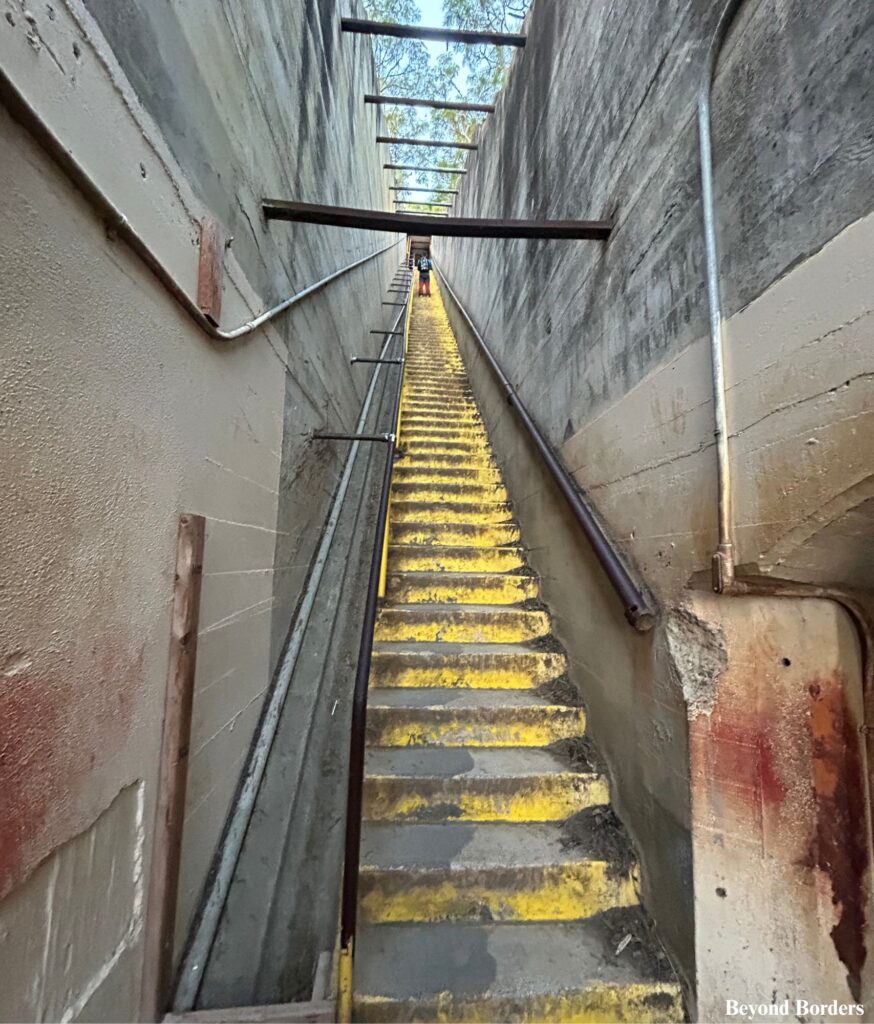
Today, your adventure begins with a sunrise hike up Diamond Head, Oahu’s iconic volcanic cone. The round-trip hike takes about two hours and is well-maintained and easy to follow with railings. It’s a good workout, with a mix of paved paths, switchbacks (a zigzagging trail that goes up the side of a steep hill), and steep staircases. Be sure to wear comfortable, closed-toed shoes, as there are many uneven rock formations on the trail.
Don’t worry if you don’t make it to the top—the views are still incredible even if you don’t reach the summit. The effort is well worth it, as the summit offers breathtaking panoramic views of Waikiki, the coastline, and the vast Pacific Ocean. Going at sunrise is highly recommended to beat the heat and watch the sky light up over the island!
For convenience, it’s best to take an Uber or Lyft to the trailhead. This way, you don’t have to worry about finding a parking spot or paying the $10 non-resident parking fee. The entrance fee is $5 per person (credit card only), and children 3 and under enter for free. You can book your tickets a month in advance to visit Diamond Head here.
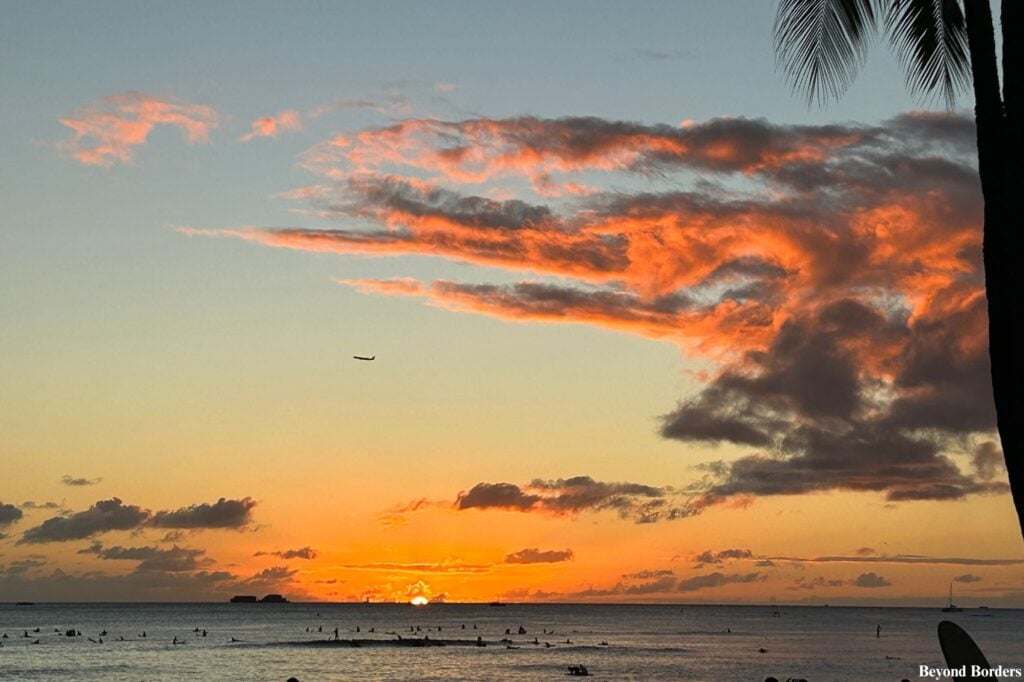
After your morning hike, spend the rest of the day unwinding on the beach, doing some last-minute souvenir shopping, and finding a perfect spot to watch the sunset before your flight to Kauai tomorrow.
Kauai: Things to Know Before You Go
- It rains a lot on Kauai; you will encounter rain on your visit, no matter what time of year.
- I dealt with rain twice during my 5 days on the island, once overnight and once while driving.
- There is a main highway called Kaumualii Highway (Route 50) on Kauai that runs from east to west, from Eleele to Lihue. There is another main highway called Kuhio Highway (Route 56) that runs north-south from Lihue to Hanalei. Starting in Princeville, the route name changes to Route 560, which runs east-west to Haena.
- The north of the island has very rough seas during the winter months, so I recommend staying on the south side of the island if you visit during winter so you can swim.
- Because of Kauai’s location as the northernmost inhabited Hawaiian island, groceries are very expensive, more expensive than on the other islands. Be frugal if you buy groceries at local stores!
Day 4: Fly to Lihue Airport, Kauai (LIH)
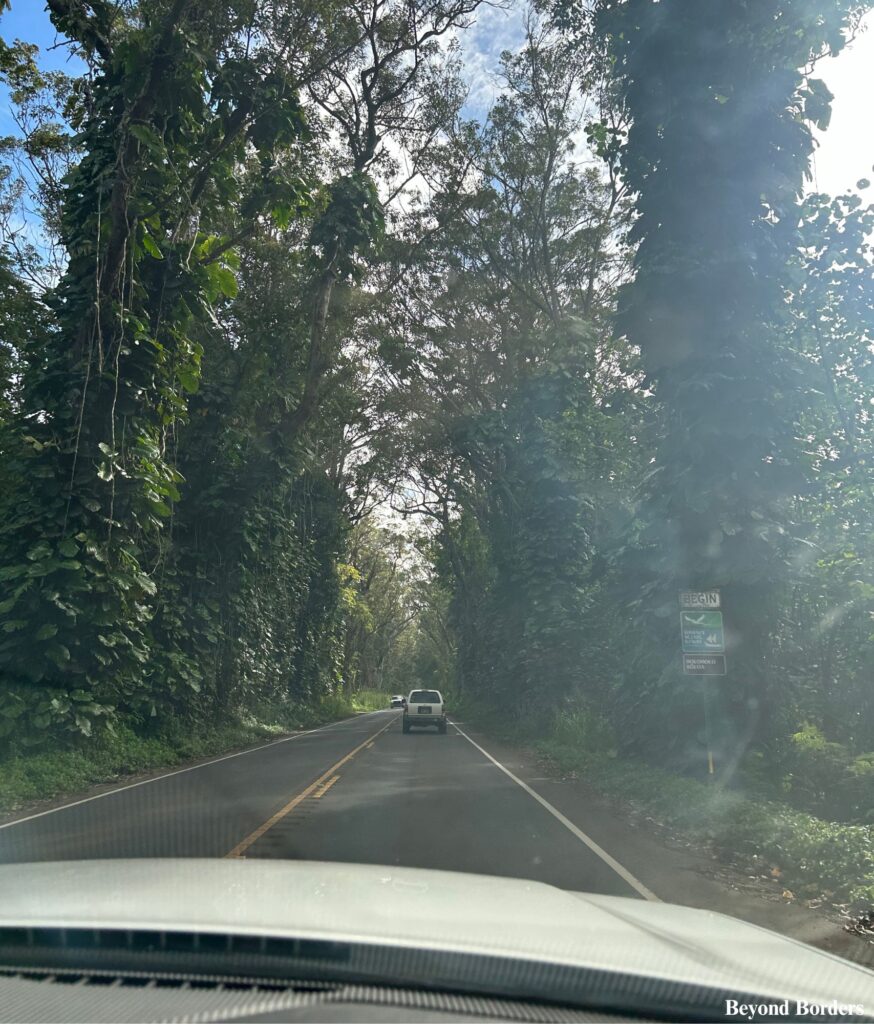
After arriving at Lihue Airport (LIH), make sure to receive your rental car. Renting a car is essential as there is no public transportation available on Kauai. In my post on essential travel apps, I wrote about the car rental app Turo, which you can use to rent a car. Fortunately, Turo is available to use in Kauai! Renting a car through Turo so you do not have to wait in line at the car rental counter at the airport like I did. I explain how car rentals through Turo work in my travel apps post, so be sure to read that one to familiarize yourself with Turo before using it.
As for lodging, I recommend staying at one of the Makahuena Condos in Koloa, close to Poipu Beach, one of the highest-rated beaches in the USA (which I talk more about on Day 5). The Makahuena Condo I stayed in is found here, and I loved it. Not only was Poipu Beach close by, but there were also restaurants and a grocery store. Note: Our condo did not have central air conditioning; if this is a non-negotiable, I recommend booking a different accommodation.
PRO-TIP: For a great way to save money, make a stop at the Costco located near Lihue Airport as soon as you get your rental car. This is a perfect place to stock up on groceries for the week, and the gas station is known for having some of the lowest prices on the island. If you’re a member, make sure you bring your card!
Depending on your arrival time, you may be dealing with travel fatigue, so don’t feel pressured to jump into a major activity. After getting your rental car and going to Costco, feel free to relax.
Day 5: Hiking and Poipu Beach
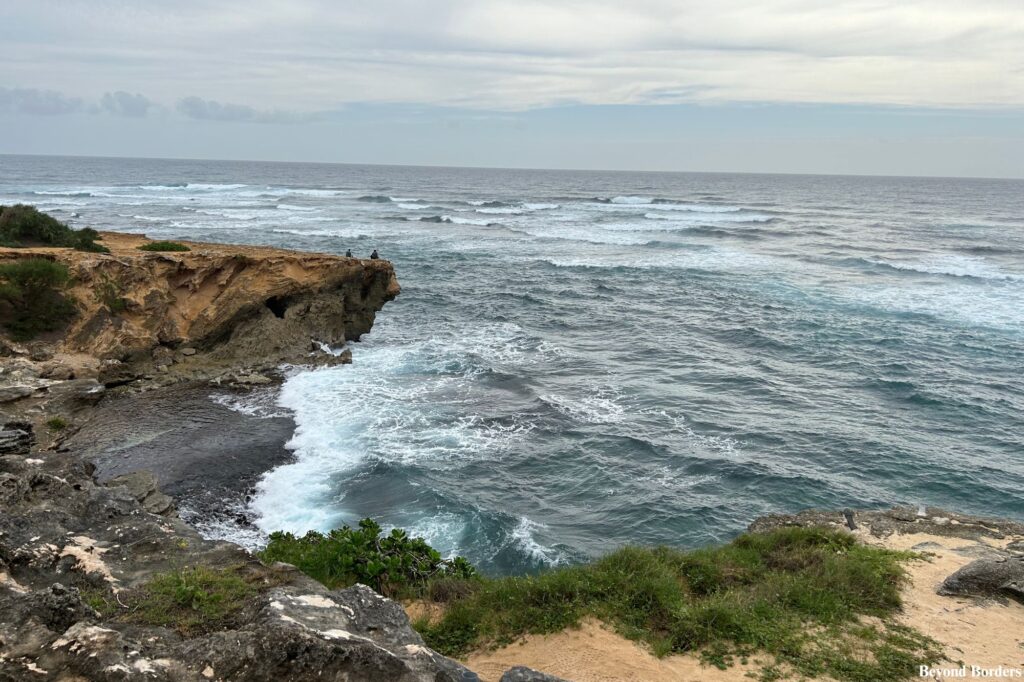
For a taste of Kauai’s rugged coastline and a journey into its ancient past, hike the Koloa (Maha’ulepu) Heritage Trail. This stunning 2-mile (one-way east) coastal path winds along dramatic sea cliffs, offering breathtaking views of the Pacific Ocean, hidden coves, and windswept bluffs. Beyond the incredible scenery, the trail is rich with history, passing by ancient Hawaiian sites, tide pools, and limestone caves. It’s a fantastic way to explore a wilder side of the island and witness the powerful force of the ocean from a safe distance. Just remember to wear comfortable shoes and bring plenty of water. Look out for monk seals and sea turtles on the beach as you hike eastward!
NOTE: Some parts of the trail are sand, and you may slip, so don’t go farther than you think you can handle.
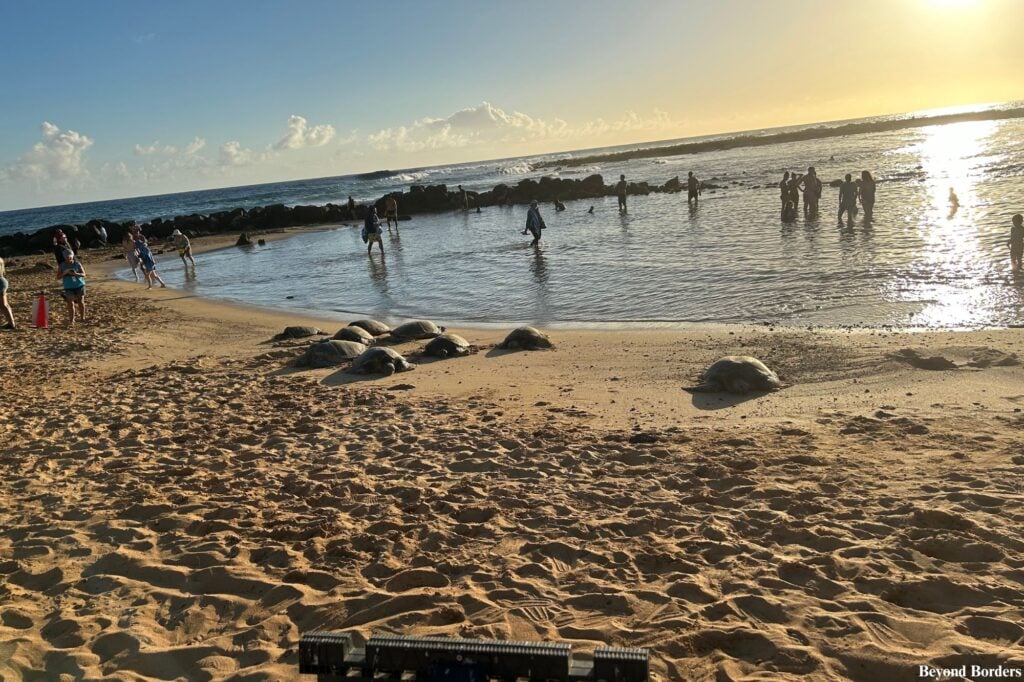
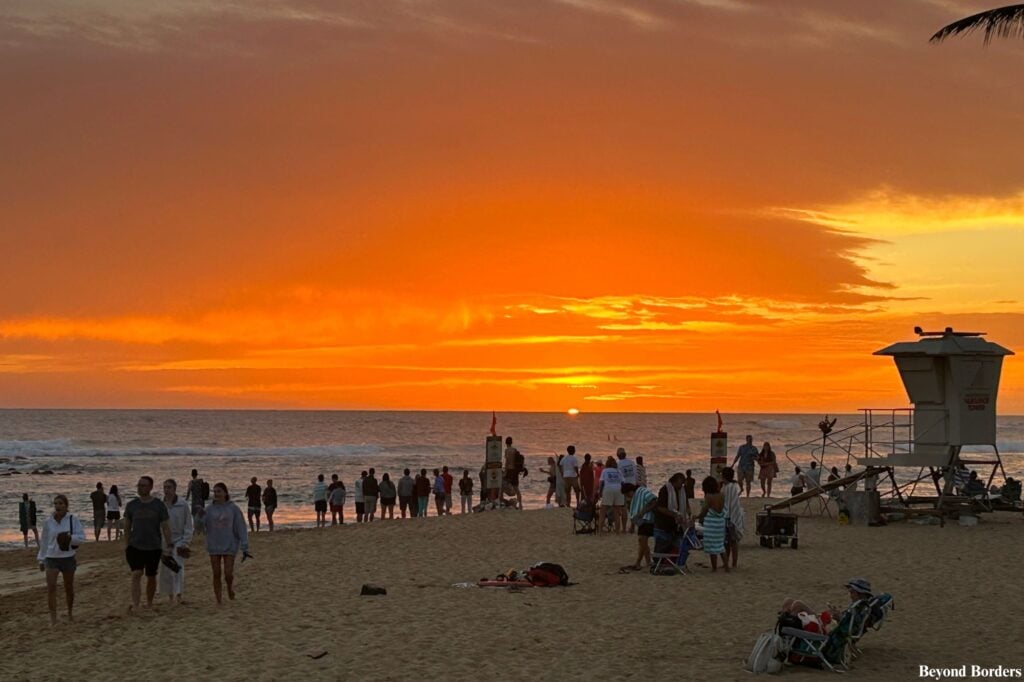
After your hike, it’s time to unwind at one of Kauai’s most famous and beloved beaches. Poipu Beach is a crescent of golden sand composed of a series of coves, making its waters calm and incredibly inviting. Its gentle waves are perfect for swimming and snorkeling, and the beach is known for its frequent visitors—Hawaiian monk seals and green sea turtles (known as honu in Hawaiian) often haul out on the sand for a sunbathe. Remember to give them their space! With lifeguards on duty and excellent facilities, Poipu Beach is the perfect place to lay out a towel, soak in the sun, and enjoy the beauty of Kauai.
For a truly unique sight, consider coming to Poipu Beach in the late afternoon or evening to see the Hawaiian green sea turtles (honu) come ashore to rest and bask. This incredible behavior happens year-round, and the turtles will often stay on the beach throughout the night before returning to the ocean at sunrise.
Day 6: Botanical Gardens and Parks
The McBryde and Allerton Gardens, a sprawling collection of rare tropical flora, are part of the National Tropical Botanical Garden, a Hawaii-based not-for-profit institution. These neighboring gardens offer two distinct experiences that are best explored via a guided tour. Instead of a typical flower garden, this scientific collection features a diverse variety of other plants and trees, many of them endangered.
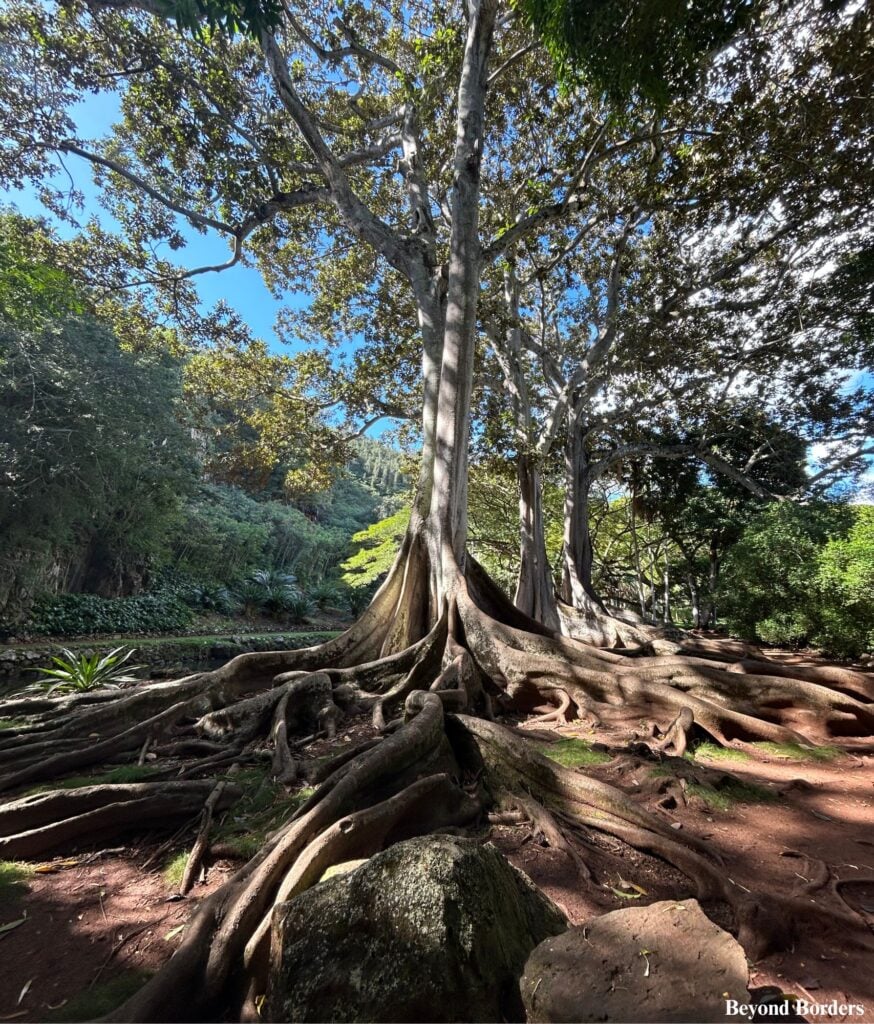
McBryde Garden has a vast scientific collection dedicated to conserving the world’s botanical diversity. Allerton Garden, on the other hand, is a masterpiece of landscape architecture. It’s a series of “garden rooms” with dramatic, artistic water features and unique sculptures. As you explore, you will also see the iconic “cathedral” fig tree roots that were featured in the movie Jurassic Park. You can book tickets to take a tour of these gardens on the National Tropical Botanical Garden’s official website.
Less than a five-minute drive from the McBryde and Allerton Gardens is Spouting Horn Park. This unique coastal spot is home to a famous blowhole created by waves rushing into a natural lava tube. As the water fills the tube, the pressure forces it up through a small opening, creating a dramatic spray that can shoot up to 50 feet in the air. The sight is accompanied by a unique, low hissing sound, which legend says is the roar of a giant lizard trapped in the lava tube. It’s a quick but memorable stop on the south shore, perfect for a great photo opportunity.
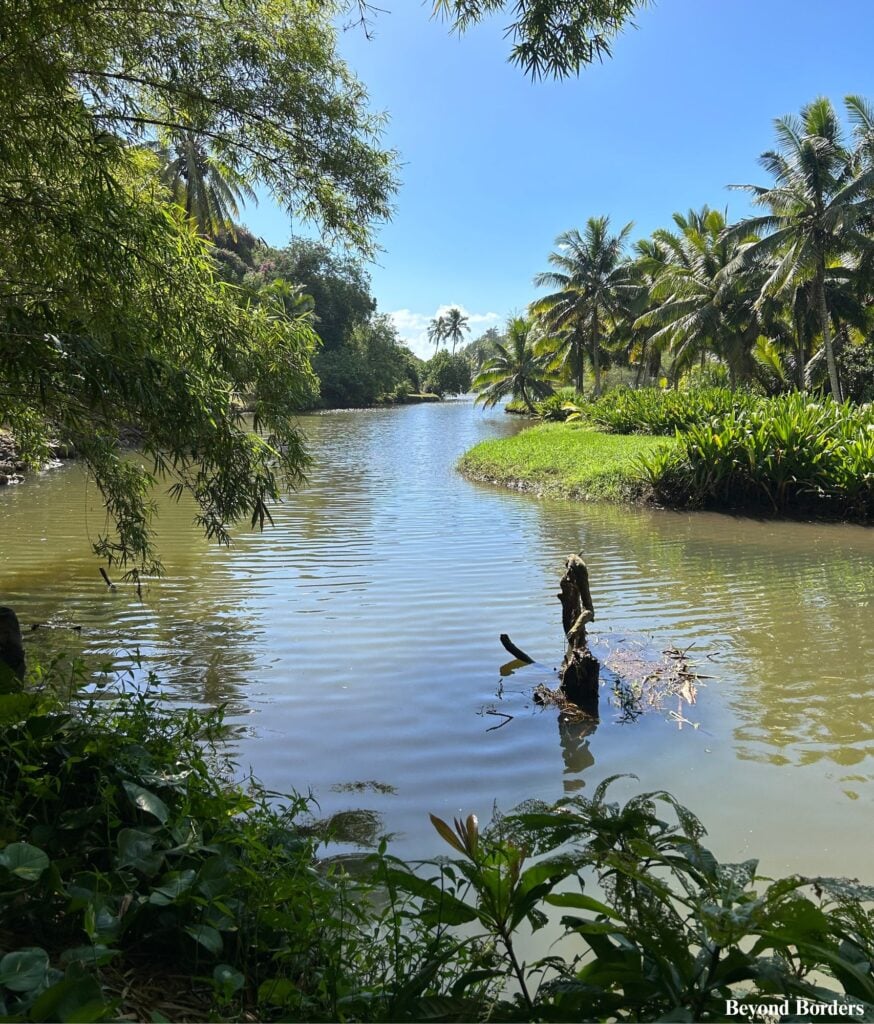
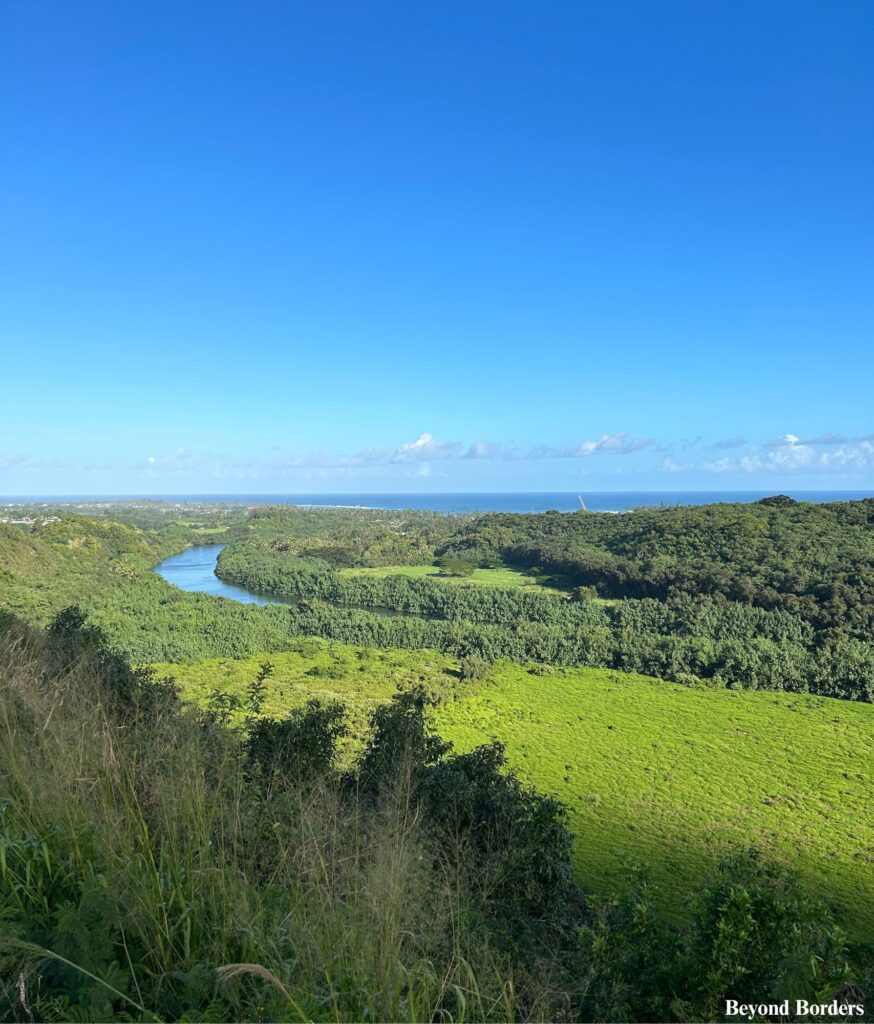
Next, drive to Wailua River State Park. This beautiful and sacred site, once the home of Kauai’s most powerful chiefs, is rich with history and natural scenery. Best of all, there is no admission fee to enter!
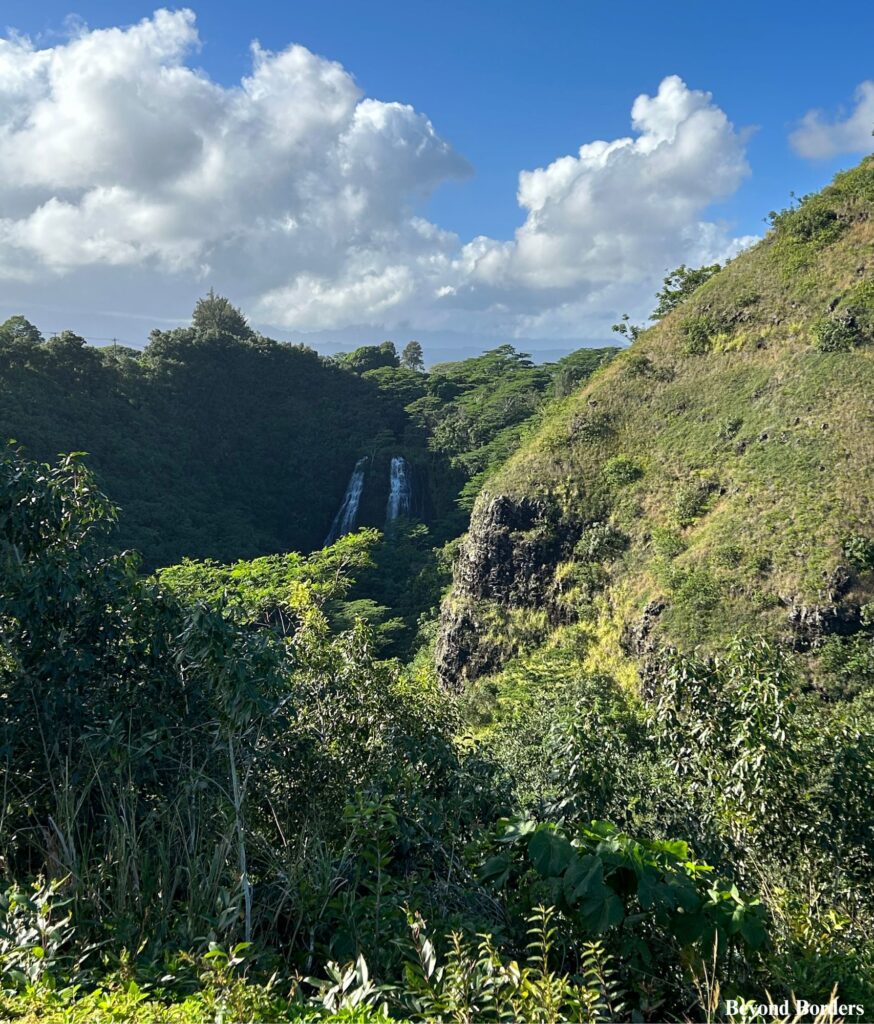
Here, you have a few primary options for exploring. You can rent a kayak or stand-up paddleboard to navigate up the river, eventually hiking to the secluded Secret Falls (Uluwehi Falls). Alternatively, you can take a boat tour that will bring you to the famous Fern Grotto, a natural amphitheater of lava rock and lush ferns known for its incredible acoustics. Finally, make sure to visit Wailua Falls, a separate waterfall accessible by car located at the southern end of the river.
Day 7: Drive North to Visit Princeville and Hanalei
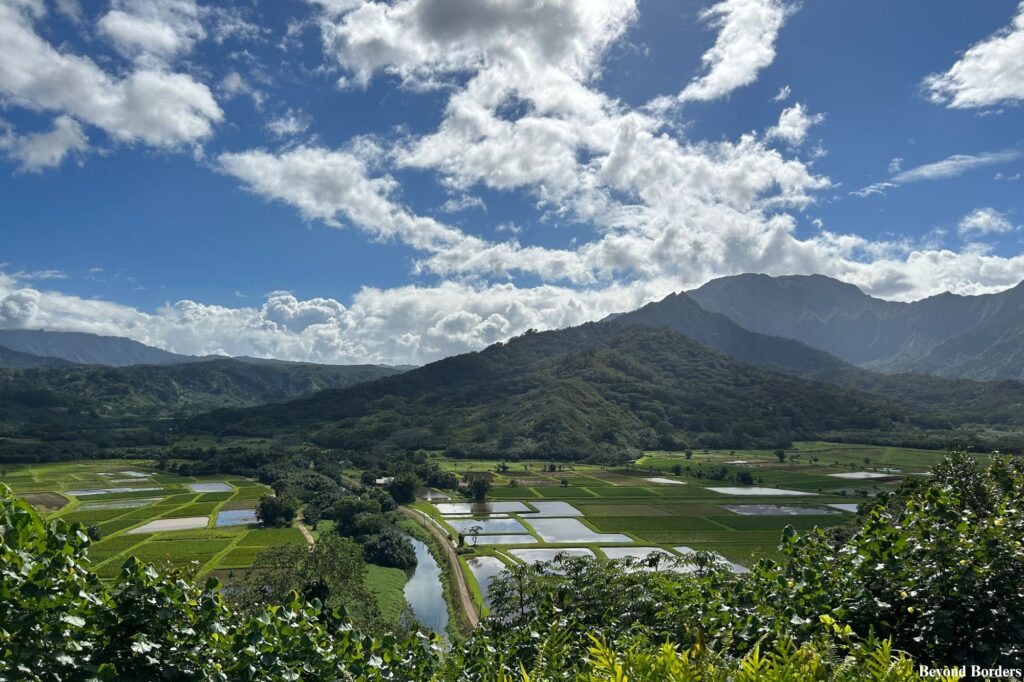
Today, you’ll take a scenic, one-hour drive north to Princeville. Here, you will be greeted by dramatic, lush green mountains. From there, it’s a short 10-minute drive to the charming town of Hanalei. As you descend, be sure to pull over at the Hanalei Valley Lookout. There is a small shoulder to park on to see the Hanalei Valley Lookout and take photos. The winding Kuhio Highway (Route 560) offers breathtaking views of the taro fields and surrounding mountains. Remember to drive slowly, as the small shoulder for parking is easy to miss.
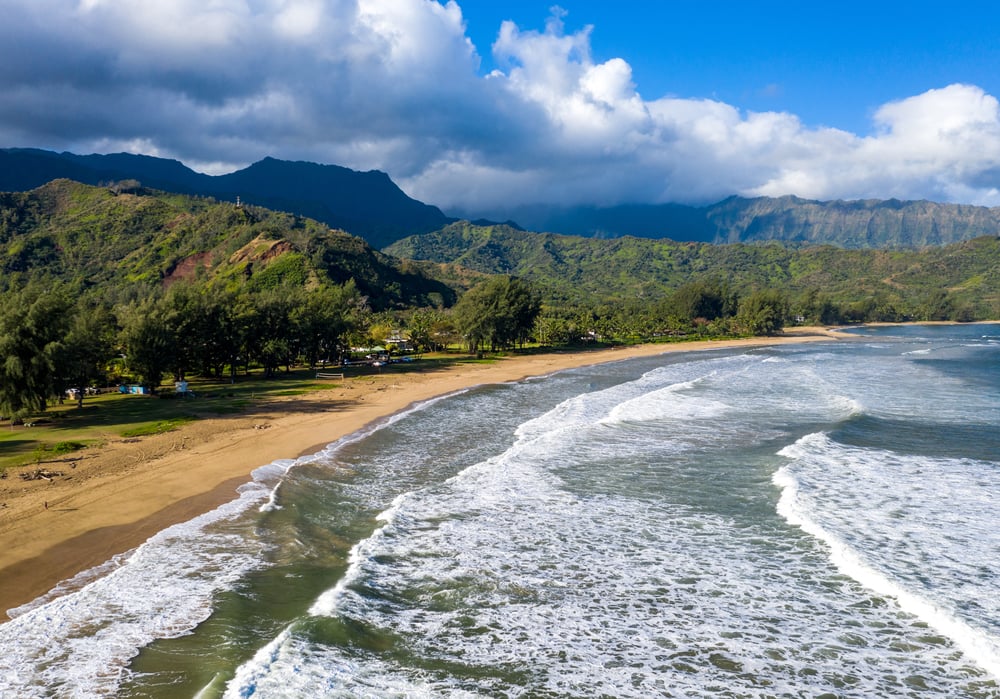
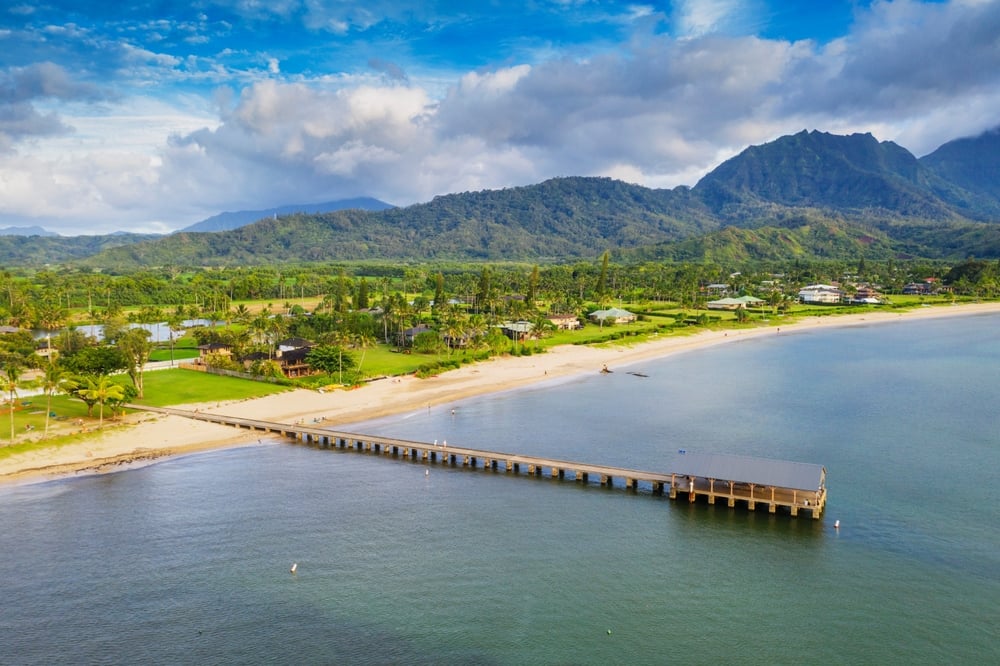
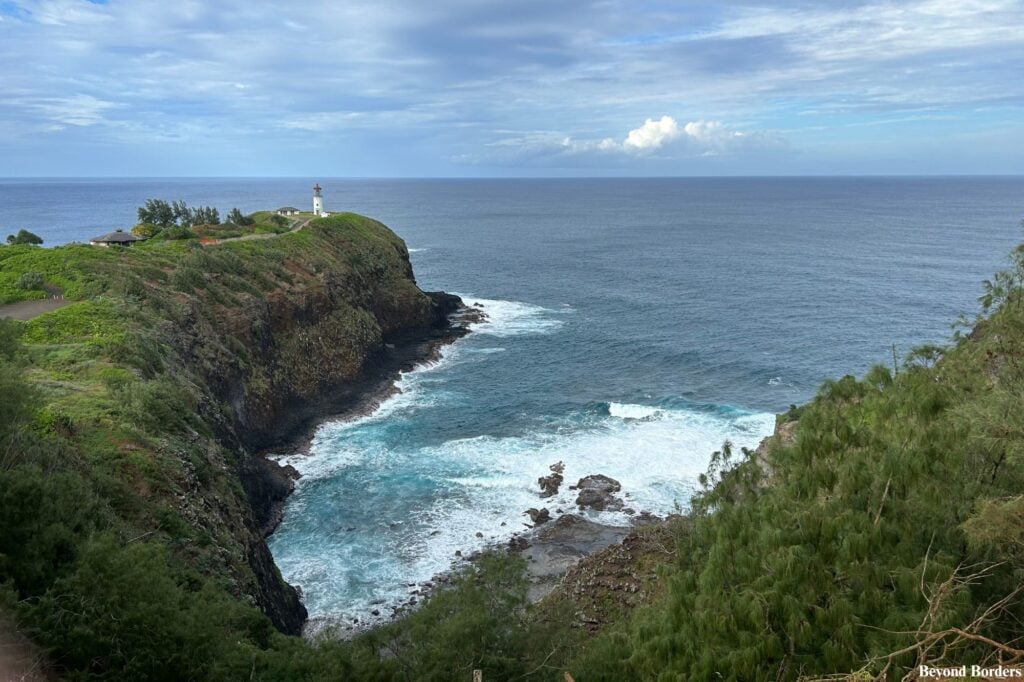
Spend the afternoon exploring the town of Hanalei. You can relax on Hanalei Beach, one of the highest-rated in the USA, and stroll along the iconic Hanalei Pier. The town center itself is full of great shops and restaurants to explore. On your drive back south, make a final stop at the Kīlauea Point National Wildlife Refuge. The lighthouse here sits on a stunning ocean bluff, making it a prime spot for viewing native seabirds and watching for breaching humpback whales in the winter.
Day 8: Waimea Canyon State Park and Kokeʻe State Park
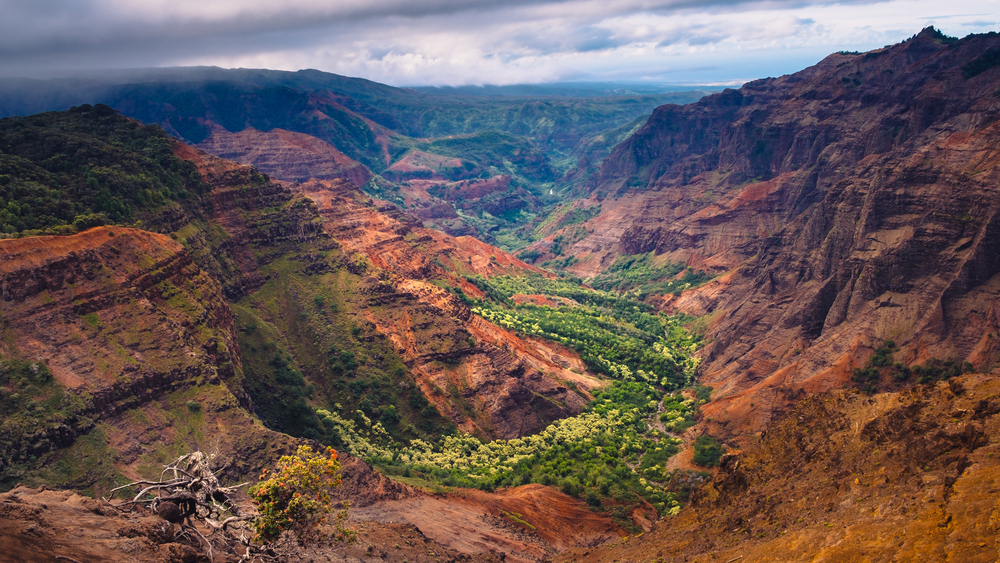
Today, you’ll head to the western side of Kauai to explore the stunning Waimea Canyon State Park, often called the “Grand Canyon of the Pacific,” and the adjacent Kokeʻe State Park. While the parks are near each other, navigating the winding roads and finding the best viewpoints on your own can be a challenge. For this reason, I highly recommend booking a tour, especially if you want to make the most of your time.
A guided tour, though it will be a 10+ hour day, takes the stress out of navigating and ensures you see all the most breathtaking sights, including iconic lookouts like Pu’u Hinahina in Waimea Canyon State Park. Tour guides also provide valuable local knowledge about the geology, history, and legends of the area, making the experience far richer than doing it on your own. This tour combines both parks and has great reviews on Viator!
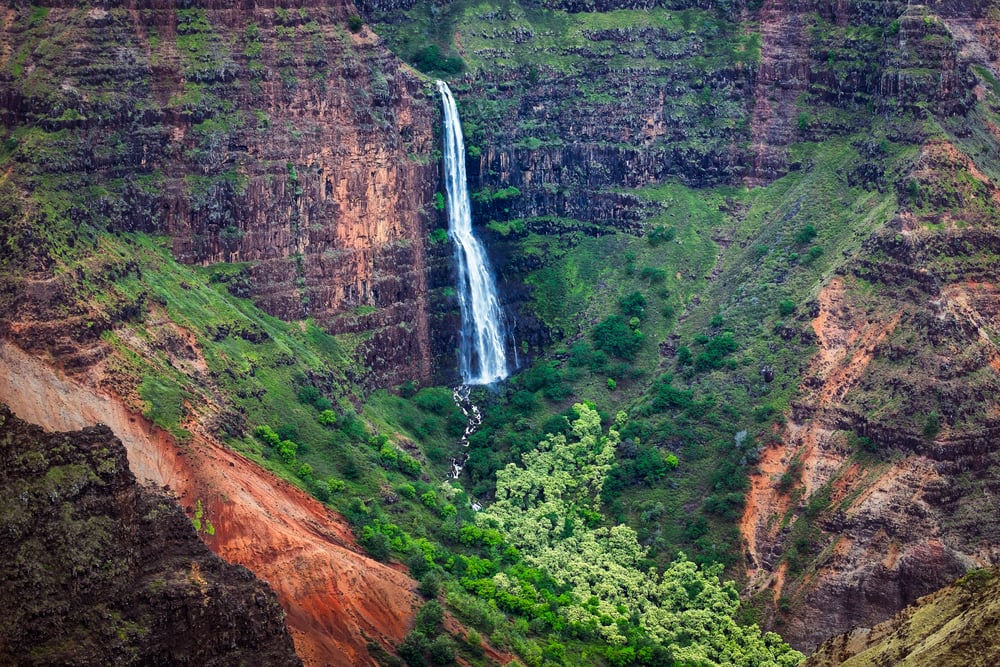
To see the famous 800-ft Waipo’o Falls in Waimea Canyon State Park, you can hike the 3.6-mile round-trip Canyon Trail, which is available on the AllTrails website and app and offers breathtaking views of both the falls and the canyon.
Day 9: Nā Pali Coast State Wilderness Park and Hāʻena State Park
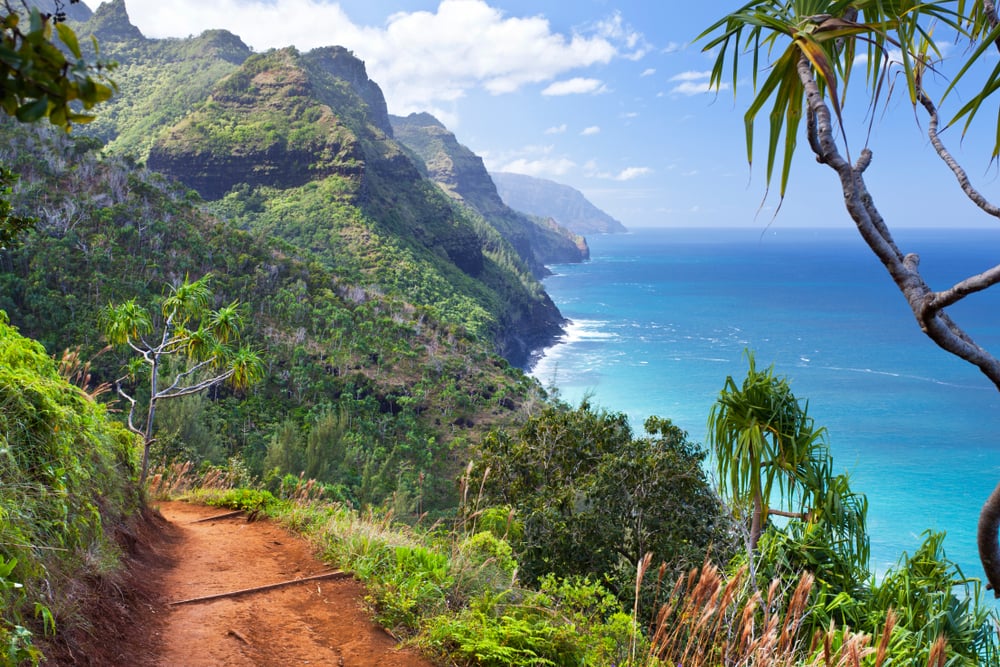
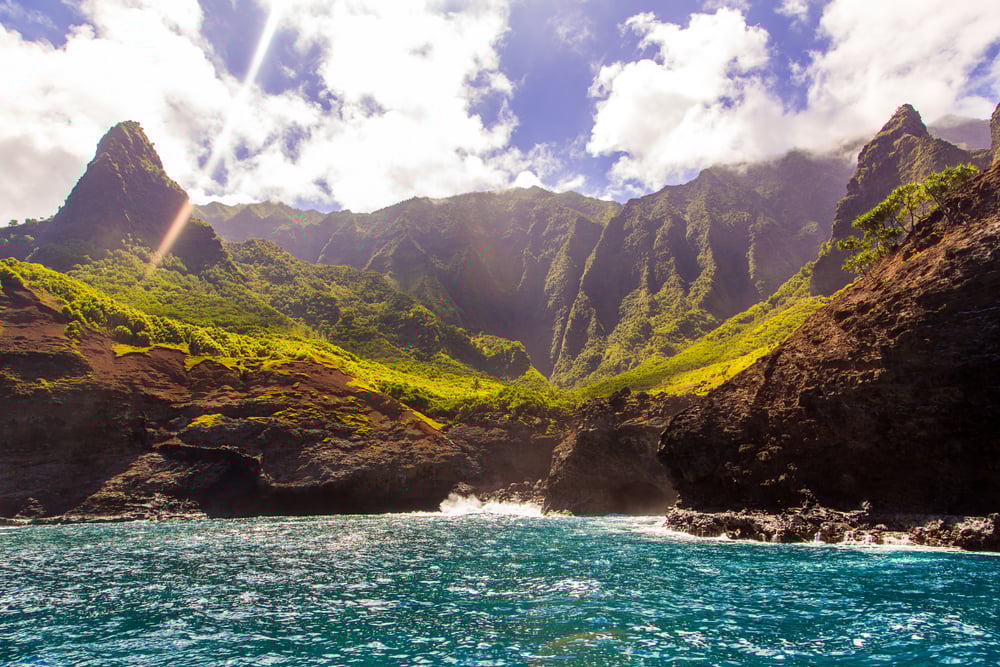
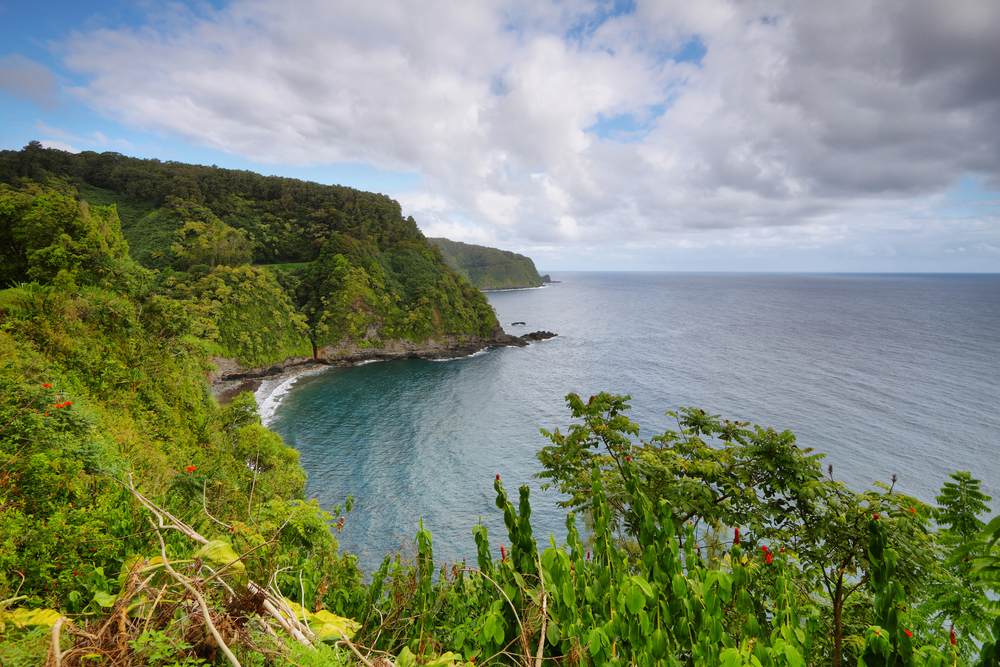
The Nā Pali Coast is one of the most stunning places in all of Hawaii! Since the coast is inaccessible by road, you can only experience its dramatic cliffs, lush valleys, and waterfalls from the water, air, or on foot. A boat tour allows you to get up close to the cliffs, sea caves, and waterfalls. Many tours also include snorkeling or a chance to spot dolphins and sea turtles. A boat tour is a great way to see the coast from a unique perspective!
For a truly breathtaking experience of the Nā Pali Coast, take a helicopter tour. This option is the most expensive, but it offers a panoramic, aerial view of the entire coast and its valleys, giving you an unforgettable perspective of its scale and beauty. If you want to book a helicopter tour, recommend the Jack Harter helicopter tour.
Kauai’s Toughest Ticket: Hāʻena State Park (2026 Update)
Home to the iconic Kalalau Trail and Kēʻē Beach, Hāʻena State Park strictly limits visitors to roughly 900 per day. If you don’t have a reservation, you will be turned away at the Wainiha checkpoint—there are no exceptions and no standby lines at the gate.
The 2026 Reservation Rules
- The 30-Day Countdown: Reservations for the shuttle, self-parking, and walk-in entry open exactly 30 days in advance at 12:00am HST (Midnight Hawaii Time).
- Parking vs. Shuttle: Parking passes ($10 + $5 entry per person) are the hardest to get and often sell out within 60 seconds of release. The North Shore Shuttle ($40 for adults in 2026) is the recommended option; it includes your park entry fee and is much easier to secure.
- Where to Book: Use the official partner site GoHaena.com.
- New for 2026: While day-use remains on GoHaena, all overnight camping permits for the Nāpali Coast (Kalalau Trail) have transitioned to the new Explore Outdoor Hawaiʻi platform as of February 2026. These open 90 days in advance.
Pro-Tips for Success
- The 7:00am “Glitch” Window: If you miss the midnight release, check the website again between 7:00am and 8:00am HST daily. This is when last-minute cancellations are automatically re-released into the system.
- Shuttle Standby: If you have a shuttle ticket for a later time but want to head in early, you can join the “Standby” list at the Waipā Park & Ride in Hanalei. They often fit people onto earlier shuttles if there are no-shows.
- Timed Entry: Self-parking is sold in specific slots (Morning, Afternoon, or Evening). If you want to stay all day, you actually have to purchase two separate time slots for your vehicle.
Summary of 2026 Costs
- Park Entry (Walk-in/Drop-off): $5.00 per person.
- Parking Permit: $10.00 per vehicle (plus entry fees).
- North Shore Shuttle: ~$40.00 (includes entry).
- Illegal Parking Fine: Up to $400.00—park rangers monitor the highway outside the park heavily.
Whatever you decide to do, make sure to book your activities well in advance!
Day 10: Fly to Kahului Airport, Maui (OGG)
In Maui, I recommend staying in the Kihei neighborhood, where I stayed. I stayed in this property, and I thought it was great. Note: This accommodation has no elevators; if you need one, I recommend booking a different accommodation. This neighborhood is around restaurants, grocery stores, and of course, plenty of beaches. After arriving in Maui, use Turo to book your car rental, or if you prefer, go to the car rental counter to get your rental car. Having a car in Maui is much easier than relying on Maui’s public bus transit system.
Depending on your arrival time, you may be dealing with travel fatigue, so don’t feel pressured to jump into a major activity. A great way to start is by checking into your accommodation and then heading to a local grocery store to stock up for the week.
If you have some energy left, a low-key activity can be a perfect introduction to the island’s beauty. Consider a relaxing dip at a nearby beach or finding a scenic spot to watch your first spectacular Maui sunset. Otherwise, a casual, delicious local dinner is the perfect way to begin your adventures on Maui before the more action-packed days ahead.
Day 11: Whale Watching and Wailea
Note: As of 2026, Maui is welcoming visitors back with open arms after the Lahaina fires, but please travel with “Malama” (care). While whale watching tours now depart from Maalaea Harbor or Kaanapali Beach instead of the old Lahaina harbor, the spirit of the island is stronger than ever. Always check local guidelines to ensure you are visiting respectfully.
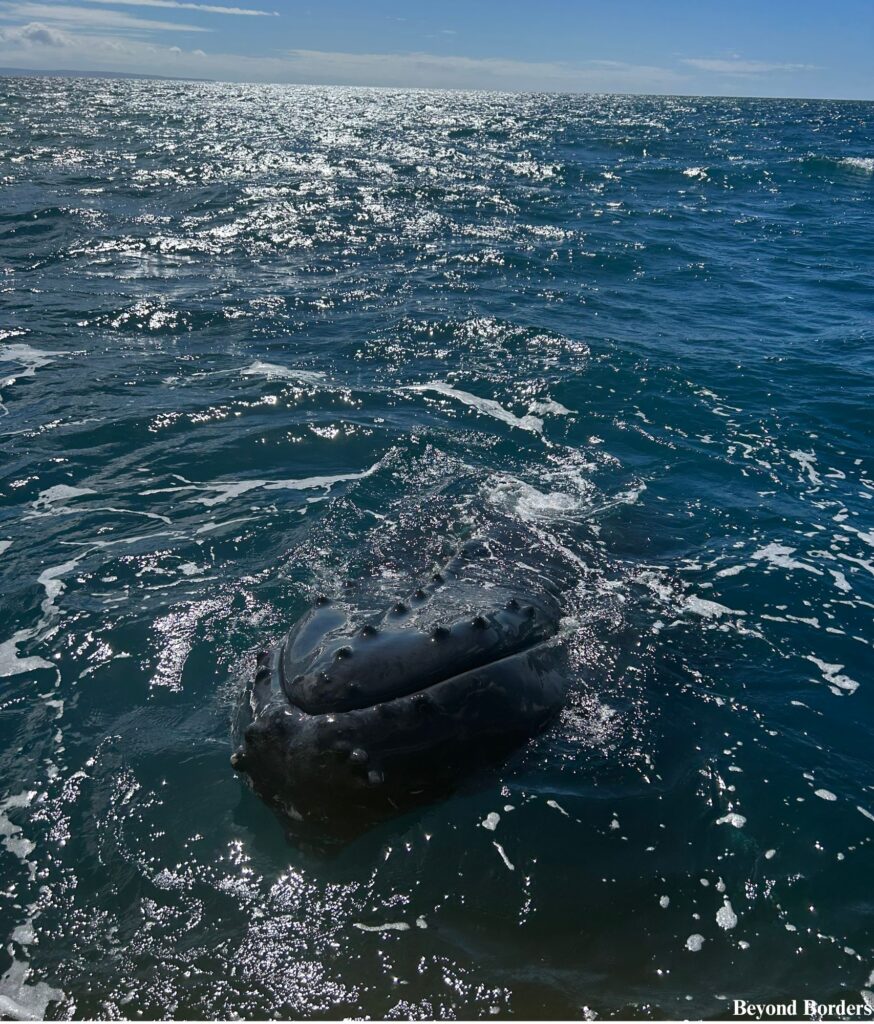
Book a whale watching tour to see humpback whales swimming and breaching! January is the best time to go whale watching in Maui. During the winter months, humpback whales head to the warmer waters of Hawaii for the breeding and calving season. The tour I booked was with Hawaii Ocean Rafting Whale Watch and Snorkel in Lahaina. We were part of a small group in a raft boat so we could see whales up close, making the experience even more personal and unforgettable. Another very popular whale-watching tour is the Trilogy Kaanapali tour, although their tour is more expensive.
After your whale watching tour, spend time exploring the Wailea neighborhood, an area well known for having a lot of luxury 5-star hotels. Walk around The Shops at Wailea, a large indoor/outdoor mall with designer stores. Also, feel free to visit Maluaka Beach, a secluded beach just south of Wailea. Make sure to bring your snorkeling gear, as sea turtles are known to swim at this beach! To get to Maluaka Beach, drive south on Makena Alanui and make a right onto Makena Road. You will pass Makena Landing Park, where you can find parking, and walk to Maluaka Beach.

Day 12: Haleakalā National Park (2026 Update)
Note: A park pass is required to visit this national park, whether you come on foot, by bicycle/motorcycle, or by car.
Hawaii’s Haleakalā National Park is a diverse and unique landscape that spans from the coast to a towering volcanic summit. The park is divided into two main, unconnected sections:
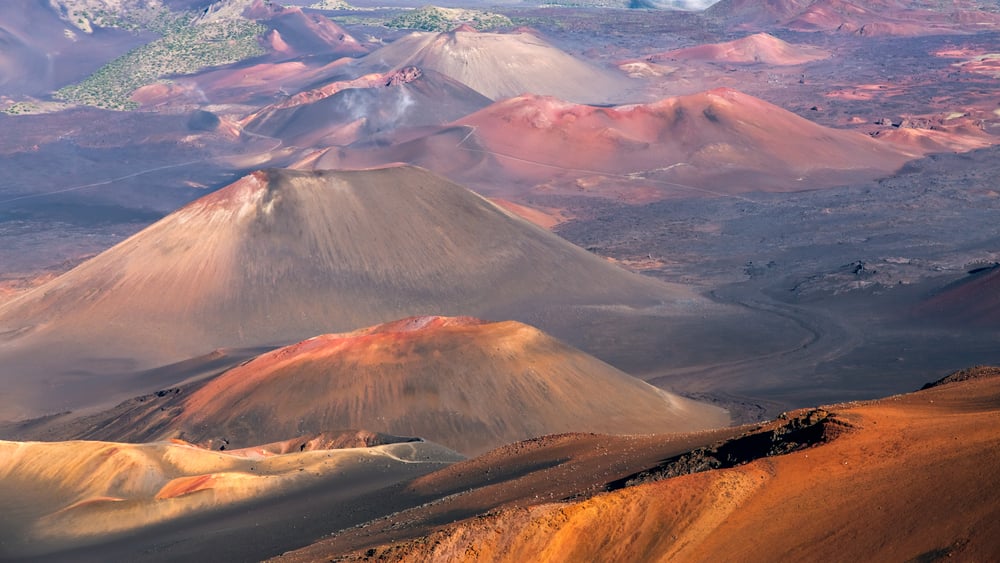
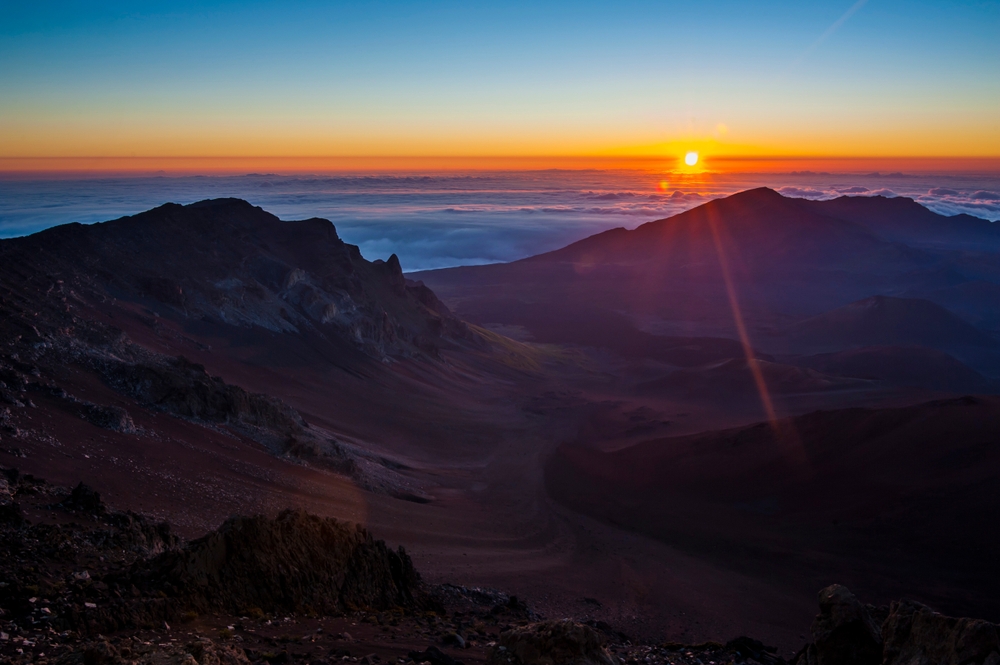
Summit District: This area surrounds the dormant Haleakalā volcano, which rises to 10,023 feet above sea level. The landscape here is often described as otherworldly, with a huge “crater” that is dotted with colorful cinder cones. The high elevation provides clear views of the sky, making it a world-renowned spot for watching the sunrise, sunset, and stargazing. The temperature at the summit is significantly colder than at sea level, often dropping below freezing, so visitors should dress in warm layers.
Kīpahulu District: Located on the southeastern coast of the island, this section of the park is a lush, subtropical rainforest. It is home to the famous ʻOheʻo Gulch, which features the Pools of ʻOheʻo, a series of freshwater pools and waterfalls. Hiking trails here, such as the Pipiwai Trail, lead through bamboo forests and offer views of spectacular waterfalls.
How to Secure Your 2026 Sunrise Reservations
Watching the sunrise from 10,023 feet is the highlight of many Hawaii trips, but in 2026, it requires the precision of a concert ticket launch.
You cannot enter the park between 3:00am and 7:00am (HST) without a pre-booked reservation from Recreation.gov.
- The 60-Day Window (Primary): The bulk of tickets are released exactly 60 days in advance at 7:00am HST (Hawaii Standard Time).
- The 2-Day Window (Last Chance): If you missed the first window, a small batch of “last-minute” tickets is released 2 days (48 hours) before the date at 7:00am HST.
- The Cost: In 2026, the reservation fee is $1.00 per vehicle. Note that this is separate from the park entrance fee ($30), which you pay at the gate.
- 2026 Pro-Tip: Log into your Recreation.gov account at 6:55am HST and have your credit card saved. These tickets often vanish by 7:05am.
If you want, you can also book a guided tour instead of going on your own, as it can be difficult to navigate the early morning crowds and get a reservation, and tours often include transportation from your hotel and breakfast.
💡 Can’t get a sunrise ticket? Go for Sunset instead! No reservation is required for sunset; the colors are just as stunning, and it’s usually 10-15 degrees warmer. Plus, you get to stay for the incredible stargazing once the sun goes down.
Hiking in Haleakalā National Park
Haleakalā National Park offers a range of hiking experiences across its two districts! In the Summit District, trails take you through a Mars-like volcanic landscape, with several options from short, easy walks to strenuous, multi-day backpacking trips. The most popular of these is the Keoneheʻeheʻe Trail (also known as Sliding Sands), which descends into the enormous crater, offering a truly otherworldly experience. Hikers here should be prepared for the high elevation and thin air, which can make a hike out feel twice as long as the hike in.
In the remote Kīpahulu District, the hiking experience is completely different. The most famous trail here is the Pīpīwai Trail, a moderately strenuous 4-mile hike that winds through a lush bamboo forest and ends at the spectacular 400-foot Waimoku Falls. No matter which district you choose, always check trail conditions with a ranger and be prepared for changing weather, as the park’s diverse ecosystems can go from arid and cold to hot and humid in a short distance.
Day 13: Snorkel at Molokini Crater
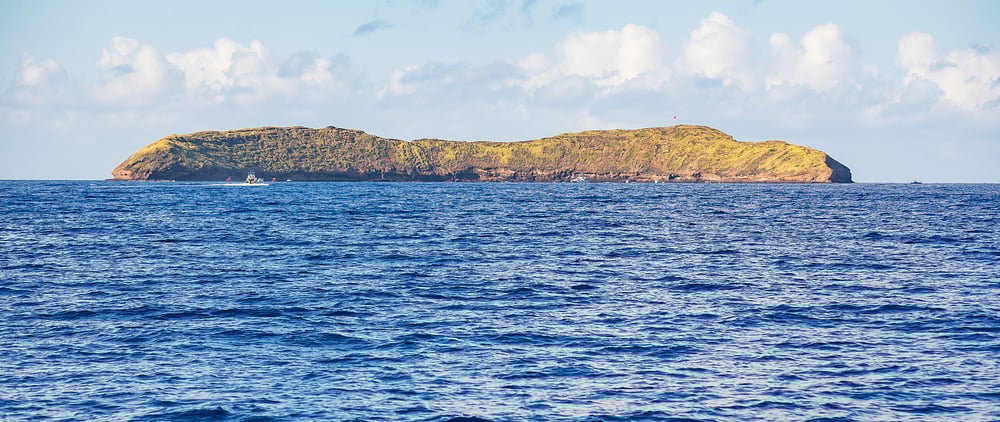
Today, visit the famous Molokini Crater, a crescent-shaped, partially submerged volcanic crater known for its water clarity and marine life. It’s about an hour boat ride from Maui, but absolutely worth it. It’s a Marine Life Conservation District that is home to over 250 species of fish, as well as green sea turtles and even manta rays! You can find tours to choose from on GetYourGuide and Viator.
The water is so clear that you can often see over 150 feet, making it one of the best snorkeling and diving spots in the world. Many tours also stop at a second location like “Turtle Town” for more snorkeling. Note that recent rainfall can impact the water’s clarity and the amount of marine life you see; my tour guides said this was the reason I didn’t see as many fish as I could have.
Day 14: Road to Hana Tour
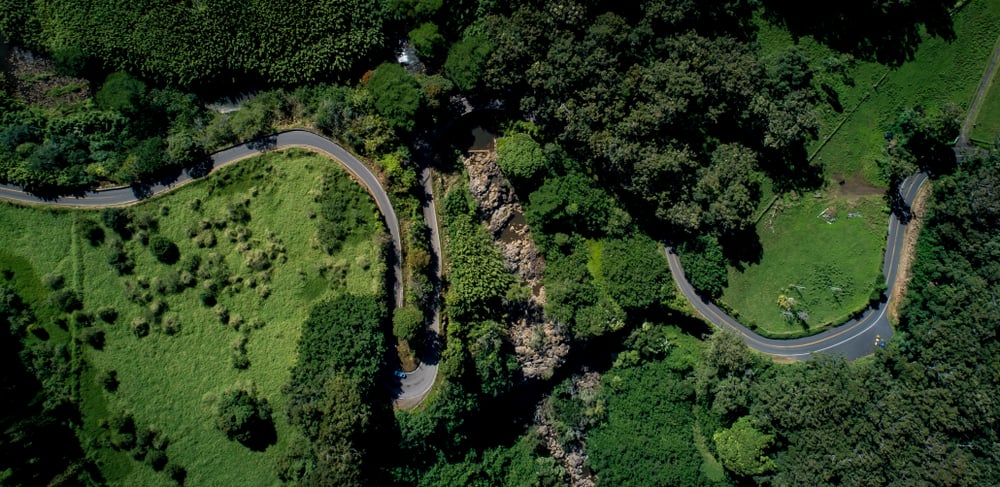
On your very last day in Hawaii, take a guided tour on Maui’s famous Road to Hana! Going on a tour is recommended instead of driving the Road to Hana on your own because the road often turns into one lane only instead of a two-way road. Guides know when to stop and let cars pass versus when the road has more than one lane for both directions.
Make sure the tour you choose visits Wai’anapanapa State Park, famous for its black sand beach, and Ho’okipa Beach Park, where you can watch windsurfers and look out for green sea turtles on the beach. The Road to Hana tour you choose will likely be 9 or 10 hours long, so make sure you don’t plan any other activities for this day.
Before you drive the Road to Hana, ensure you have a reservation for Wai’anapanapa State Park (Black Sand Beach). As of 2026, they do not allow walk-ins or same-day bookings at the gate. If you are on a guided tour, confirm that your operator has secured your permit!
Recommend Places To Eat on Each Island
Oahu (Waikiki)
- Waffle and Berry
- Located in the Waikiki Shopping Plaza, lower level
- Duke’s Waikiki
- Eggs ‘n Things
- The location on Kalākaua Avenue is very small, so if you want to eat here, you have to arrive when the restaurant opens
- Island Vintage Shave Ice
- Go to the kiosk location next to the Royal Hawaiian mall
- Marugame Udon
- Go before 7pm so you don’t have to wait in line!
- Sushi Spot Waikiki
- Appetito Craft Pizza & Wine Bar
Kauai
- Puka Dog Hawaiian Style Hot Dogs, located right on Poipu Beach
- Koloa Thai Bistro
- Koloa Pizza Kitchen + Bar
- Porky’s Kauai
- Holey Grail Donuts (in Hanalei)
- Kalypso Island Bar & Grill (in Hanalei)
Maui
- Kihei Caffe–breakfast restaurant
- Arrive early to avoid waiting in line
- Cafe O’Lei Kihei
- Make sure to try their Liliko’i (passion fruit) cheesecake
- Mama’s Fish House
- This is a very famous seafood restaurant, close to Ho’okipa Beach Park on the northern side of Maui
- If you really want to eat here, you need to book a reservation well in advance, ideally 6 to 18 months ahead of time for lunch or dinner. Reservations are available up to 18 months in advance on the Mama’s Fish House website.
- 2026 Hack for Mama’s Fish House: If you couldn’t get a reservation a year out, download the OpenTable app and set an alert for your dates. Cancellations are common 24–48 hours before the reservation time as people finalize their plans!
Conclusions
This 2 weeks in Hawaii itinerary allows you to perfectly balance high-energy adventure with soul-soothing relaxation in a tropical paradise. By taking the guesswork out of the logistics, you’re free to fully immerse yourself in the ‘Aloha’ spirit. Imagine waking up to the sound of crashing waves on Kauai, hiking the lush volcanic trails of Oahu, and catching a legendary sunset on the shores of Maui. With every detail of your journey planned, you can stop worrying about the ‘how’ and focus on what truly matters: creating lifelong memories amidst the breathtaking beauty of the islands.