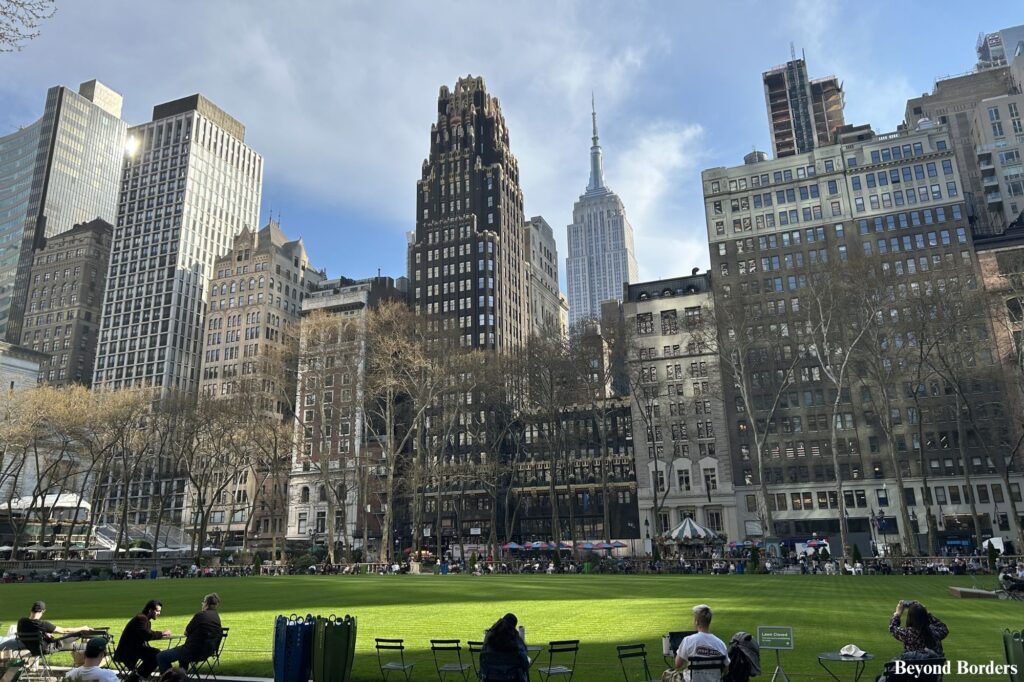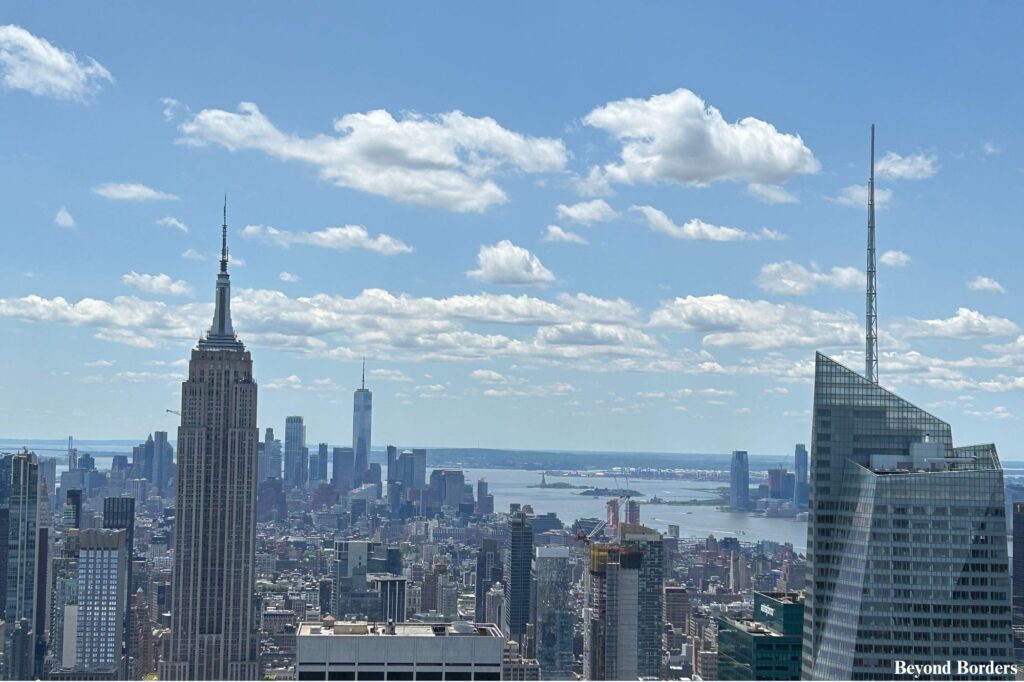
How To Spend 1 Day in NYC in 3 Steps:
- The Core Route: Empire State Building Walk-By → Times Square Walk-By → Top of the Rock Observation Deck→ Central Park Southeast Loop → Grand Central Dining Concourse (Lunch) → Lower Manhattan Walk-Through → Nolita (Dinner).
- Transit Method: Exclusively OMNY Contactless Tap ($3.00/ride). MetroCards have been phased out.
- Crucial Time-Saver: View the Empire State Building only from the street level on 34th St; do not waste two hours going up its observation deck. Save your skyline viewing for Top of the Rock.
Introduction
Only have a single day to navigate New York City? Whether you are landing for a long layover, docking for a cruise stop, or commuting in from New Jersey, a successful trip requires more than just a list of sights–it requires a tactical execution plan.
New York is a city of “how-to” logistics. Knowing where the icons are is easy; knowing which subway car aligns with your exit, how to structure a continuous walking path without backtracking, or exactly how to bypass the multi-hour wait times at Rubirosa is what saves your day.
I’ve built this 1 day in New York City itinerary to function as your step-by-step operational blueprint. We are moving past the generic “top attractions” to focus on precise procedures: the transit taps, the reservation windows, and a geographically optimized walking flow that maximizes every minute. This is your strategic guide to experiencing the city’s most iconic sights without the friction of a first-time visitor.
💡Jump straight to my Quick-Reference FAQs ↓ at the bottom of this guide for rapid-fire answers regarding luggage storage, airport transit timing, and museum detour strategies!
The Pre-Arrival Protocol: Setting Up for Success
To navigate New York like a local, you need to eliminate “decision fatigue” at the ticket kiosk.
First, MetroCards have officially been phased out–vending machines no longer sell or refill them. New York’s transit system is now exclusively powered by the tap-and-go OMNY system, which charges a standard $3.00 base fare per ride. You do not need to buy a special transit card; simply tap your contactless credit card, debit card, or digital wallet (Apple Pay/Google Wallet) directly on the turnstile readers.
Next, if you are commuting in from New Jersey, download the NJ Transit app in advance. This allows you to purchase your digital tickets to Penn Station while you are still waiting on the platform, saving you from the notoriously long lines at the station vending machines.
Finally, ensure you have Google Maps downloaded and your Resy app logged in with a primary payment method pre-saved. In a city where a three-minute delay can mean missing a strict reservation window, executing these digital “pre-checks” is the difference between a seamless transition and a wasted hour in Midtown.
From Newark Airport (EWR)/New Jersey
- Transit Time: 45-60 mins
- Cost: ~$16.00
Take the NJ Transit Northeast Corridor or North Jersey Coast Line directly from EWR Airport Station or your NJ commuter hub straight into Penn Station (34th St). Do not take PATH if you are trying to maximize an 8:00 AM start in Midtown.
From JFK Airport
- Transit Time: 50-60 mins
- Cost: ~$11.50
Board the JFK AirTrain ($8.50) to Jamaica Station. Tap through using OMNY, then buy a Long Island Rail Road (LIRR) CityTicket ($5.25 off-peak/$7.25 peak) to Grand Central Madison or Penn Station. This beats the subway by around 30 minutes.
From LGA Airport
- Transit Time: 50-60 mins
- Cost: $3.00
Take the free Q70 LaGuardia Link bus to the Jackson Heights–Roosevelt Avenue/74th Street subway station in Queens. Tap your credit card or phone at the OMNY reader at the turnstile and take the subway to get into Manhattan:
- E, F, M, R trains: Go to Midtown and Downtown.
- 7 train: Goes directly to Grand Central and Times Square.
Pro-Tips:
Read my full guide on how to travel from JFK/LGA to Manhattan and my guide on how to travel from EWR to Manhattan for everything you need to know!
From the Manhattan Cruise Terminal (Piers 88/90)
- Transit Time: 15–20 mins
- Cost: $3.00 (Bus) or ~$15.00+ (Taxi)
The Trapped West Side Rule: The terminal sits right on the Hudson River at 12th Avenue. There is no subway line here. If you walk out and blindly order a rideshare, you will get stuck in heavy cross-town gridlock. You have two fast options to get to your 8:00 AM Midtown start line:
- The Fast Bus Intercept: Walk right across 12th Avenue to the 50th Street corner. Board the M50 Crosstown Bus and use your card or phone to pay ($3.00). It will pull you straight down 50th Street and drop you directly in Midtown (near Rockefeller Center and Times Square) in about 15 minutes, bypassing the worst of the traffic.
- The Walk-and-Train Method: If you travel light, skip the bus and walk 15 minutes straight east down 50th Street to the 50th St subway station. Take the A, C, or E train to the 34 St–Penn Station subway station to start your day!
Master the Subway Tap
- Transit Time: Instant
- Cost: $3/ride
MetroCards have been phased out. Look for the OMNY contactless readers at any turnstile. Tap your phone (Apple Pay/Google Wallet) or a contactless credit card. When you complete 3 or more rides using this itinerary, they will automatically count toward the weekly fare cap!
Using the New York City Subway
This itinerary assumes that you will use the subway. I have a guide on how to use the NYC subway, detailing New York City subway lines, local versus express trains, and more. I also have a guide on subway safety tips for visitors, so you can navigate the subway with confidence. The subway is the most reliable and cheapest way to get around the city, so it is recommended that you use the subway over taxis.
Pro-Tip:
Even though you will be using the subway while following this itinerary, you will still be walking a lot. Be sure to wear sneakers or other comfortable shoes!
1 Day in NYC Action Table
| Time Window | Operational Stop; Transit Method to get there | Cost/Ticket Type; Tactical Note |
| 8:30 AM – 9:45 AM | Midtown Icons Walk-By; On Foot | Free; Start at Penn Station (34th St). See the Empire State Building & Times Square at street-level. |
| 9:45 AM – 11:15 AM | Top of the Rock Deck; On Foot | ~$45.00 (Timed Ticket); Pre-book the 10:00 AM slot online to avoid morning elevator crowds. |
| 11:30 AM – 12:30 PM | Central Park Southeastern Loop; On Foot | Free; Walk the Gapstow Bridge to Bethesda Terrace loop; exit at 66th Street to walk to the 68th St-Hunter College station. |
| 1:30 PM – 2:30 PM | Grand Central Lunch; Subway (4 Local or 5 Express Train) | $3.00 (OMNY); Head to the lower-level Dining Concourse for lunch. |
| 2:30 PM – 5:30 PM | Lower Manhattan; on Foot, then Subway (4 Local or 5 Express) | $3.00 (OMNY); Ride down to Bowling Green station. Walk Wall St (pass Charging Bull), Oculus WTC, and 9/11 Memorial Pools. |
| 5:30 PM – 7:30 PM | Chinatown to Nolita; On Foot | Free; Walk north via Centre St. Drop name on Rubirosa walk-in list at 5:30 PM if you can’t get a reservation. |
| 7:30 PM – 9:00 PM | Rubirosa Dinner; On Foot | Varies; Order the Tie-Dye pie. If the wait is too long, pivot to my alternatives. |
| 9:00 PM onward | Departure; Subway (B, D, F, M) | $3.00 (OMNY Tap); Walk 4 mins north to Broadway-Lafayette station for a direct run uptown. |
Map
I have organized this 1 day in NYC itinerary by time of day, featuring color-coded pins for attractions/landmarks (including parks) and restaurants!
How to Use & Save This Map
To make your day trip in NYC even easier, you can save this custom map directly to your Google Maps app:
- Open the Map: Click the [ ] icon in the top right corner of the map above to open it in full-screen mode.
- Save to Your Account: If you are signed into your Google account, the map will automatically be saved to your “Your Places” or “Saved” list.
- Access on the Go: On your phone, open the Google Maps app, tap the “Saved” (or “You”) tab at the bottom, scroll down to “Maps,” and select “1-Day NYC Itinerary” to see all these pins while you’re walking!
- Pro-Tip: If you have limited data or a spotty connection, you can download the “Manhattan” area for offline use in your Google Maps settings so you never lose your way.
8 AM: Breakfast
The Procedure: To maximize your morning, you need a breakfast that is high-speed and high-yield. Since the Empire State Building is located at 34th St between 5th and 6th Ave, your best bet is a classic Midtown “grab-and-go” to avoid losing an hour to a sit-down table.
- The “Street Cart”— If you’re exiting Penn Station (on the 7th Ave side), look for the nearest silver breakfast cart. The procedure is simple: ask for a “Bacon, Egg, and Cheese on a roll.” It’s the fastest, cheapest way to eat like a New Yorker and will cost you under $6.
- The Efficient Stop at Andrew’s NYC Diner–Located at 463 7th Avenue (between 35th and 36th St), this is the evolved version of the neighborhood’s legendary Andrew’s Coffee Shop. It’s still family-owned and specializes in moving crowds quickly.
- The Protocol: Walk in, and if there’s a line, don’t panic–it moves fast. Head to the counter if you’re solo for even faster service. Order the “Breakfast Sampler” or a stack of their pancakes; they are also famous for “free-flow” coffee that keeps your cup full without you having to flag down a server.
- The Specialty Pastry at Culture Espresso–For a higher-end caffeine fix, walk to Culture Espresso (W 38th St).
- The Hack: Order their famous chocolate chip cookies–they are cited as some of the best in the city. They are a must-try that fuels you perfectly for the 10-minute walk down to the 34th Street observation deck entrance.
Pro-Tip:
Most Midtown delis and carts are cash-friendly, though almost all now take Apple Pay or contactless cards. Have your payment ready before you reach the front of the line to keep the rush-hour line moving.
8:30 AM: The Midtown Walk-By (Empire State Building)
How to get here: Take the subway to 34 St–Herald Square (on the B, D, F, M, N, Q, R, W lines). Exit toward 34th Street and walk east for about two minutes.
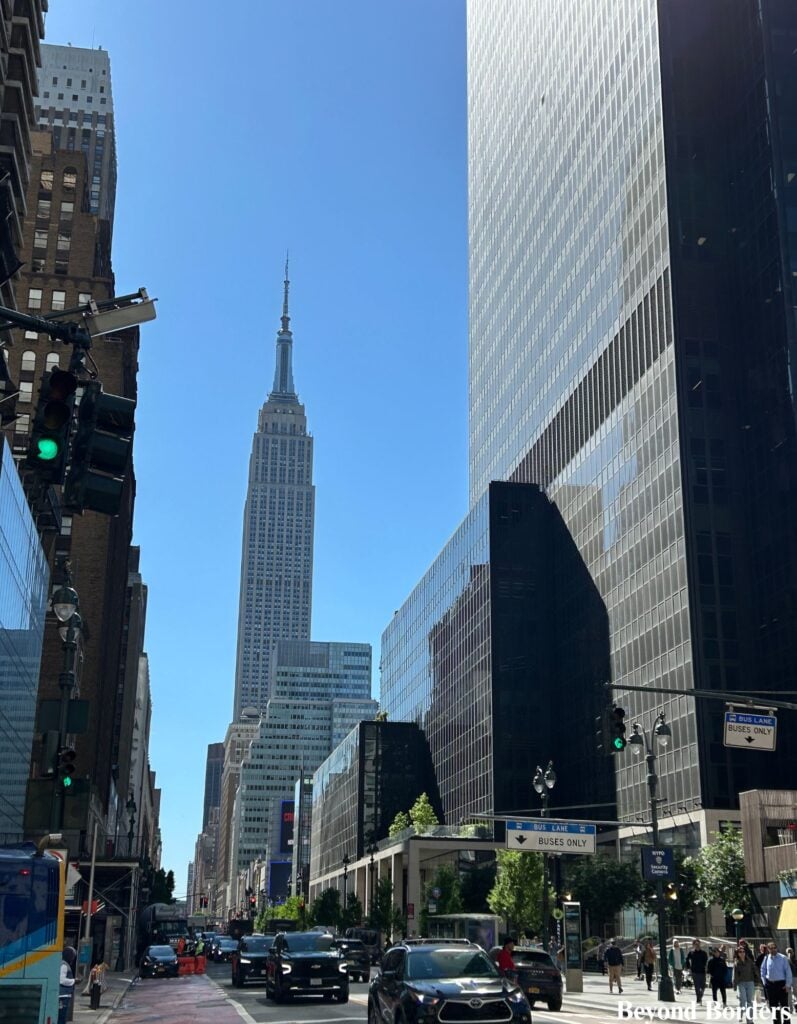
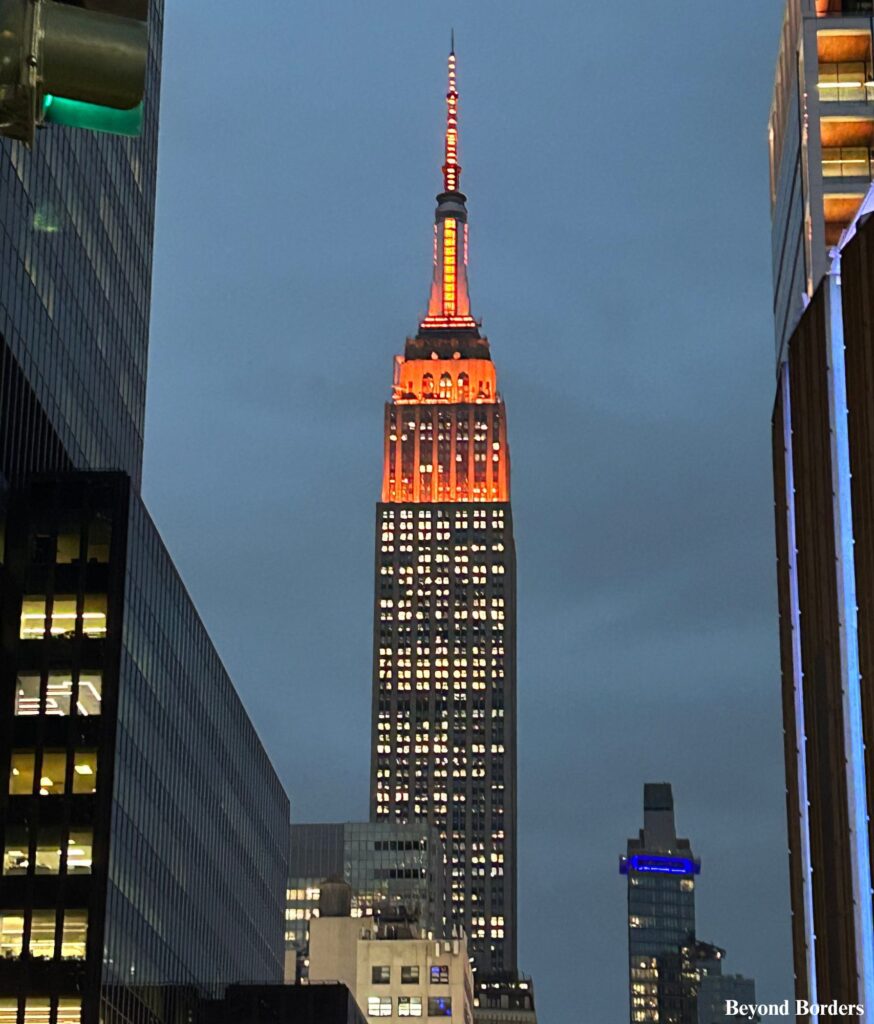
Don’t just stand on the sidewalk; the entrance is on 20 West 34th Street. The best photo spot is the corner of 34th and 5th Avenue looking up–or, walk one block west to Penn Station’s 7th Ave entrance for a framed shot of the spire between buildings.
⚠️ The 1-Day Protocol: Do not buy tickets to go up the Empire State Building on this itinerary. Clearing security and riding the elevators takes up to two hours of your morning. Instead, exit Penn Station at 34th Street, walk one block east to 5th Avenue, and look up to catch the classic Art Deco facade. Snap your photos from the sidewalk, then head north toward Times Square. You are saving your actual observation deck visit for later in the morning.
9:15 AM: Times Square Walk-By
How to get here: Walk 10 minutes north on Broadway from 34th Street. To avoid getting stuck in the tourist “clots,” stay on the right-hand side of Broadway as you walk north.
The Exit: Do not stop in the center of the sidewalk to take photos. Instead, head to the “Red Steps” above the TKTS booth. It provides an elevated, safe vantage point for a panoramic shot without being bumped around by the crowds. Once you have your photos, exit immediately via 47th Street to head toward Rockefeller Center.
Illuminated by an astounding number of massive, brightly lit digital billboards, neon signs, and advertisements, it practically turns night into day! Times Square is where commerce and entertainment meet as countless people from around the world gather under iconic, glowing billboards.

My Insider Advice:
If you have already visited Times Square in the past, consider skipping it to avoid the enormous crowds. In this case, I recommend visiting Hudson Yards instead, which I describe in more detail in my hidden gems in New York City post.
Hudson Yards is a newer neighborhood in Manhattan along the Hudson River and located near Chelsea Market. Hudson Yards features an upscale mall (The Shops), the Vessel, and other attractions. You can access Hudson Yards on the 7 train, going to the 34th St–Hudson Yards station.
10:00 AM: Top of the Rock & The Concourse Shortcut
How to get here: From Times Square, walk east on 47th Street to 5th Avenue. The entrance for the observation deck is on 50th Street (between 5th and 6th Aves); you will see signs that say “Top of the Rock Observation Deck.”
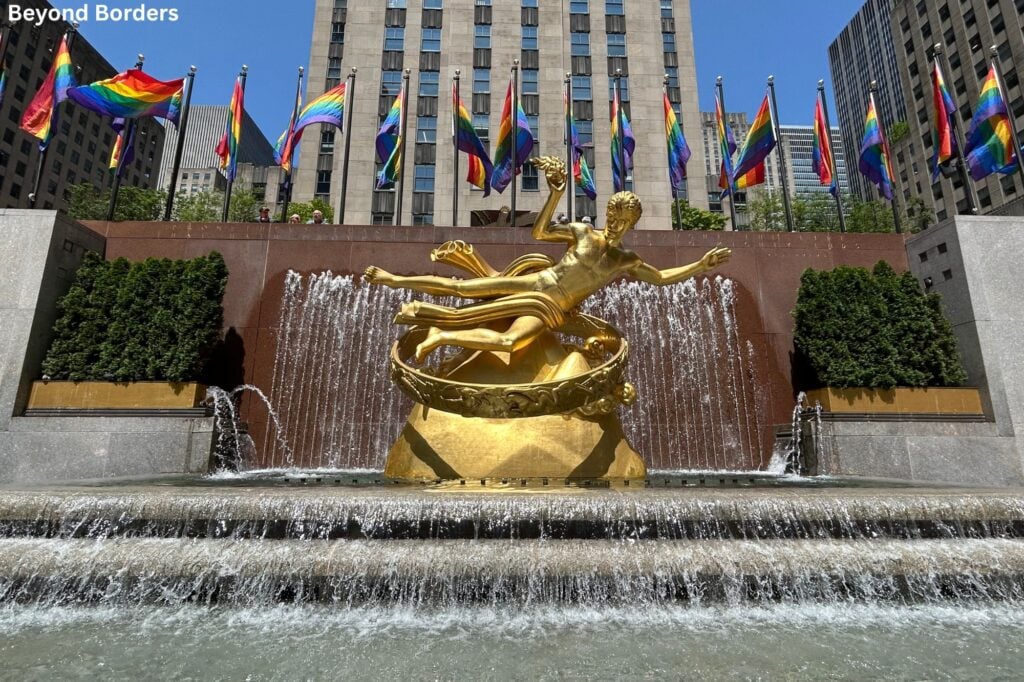
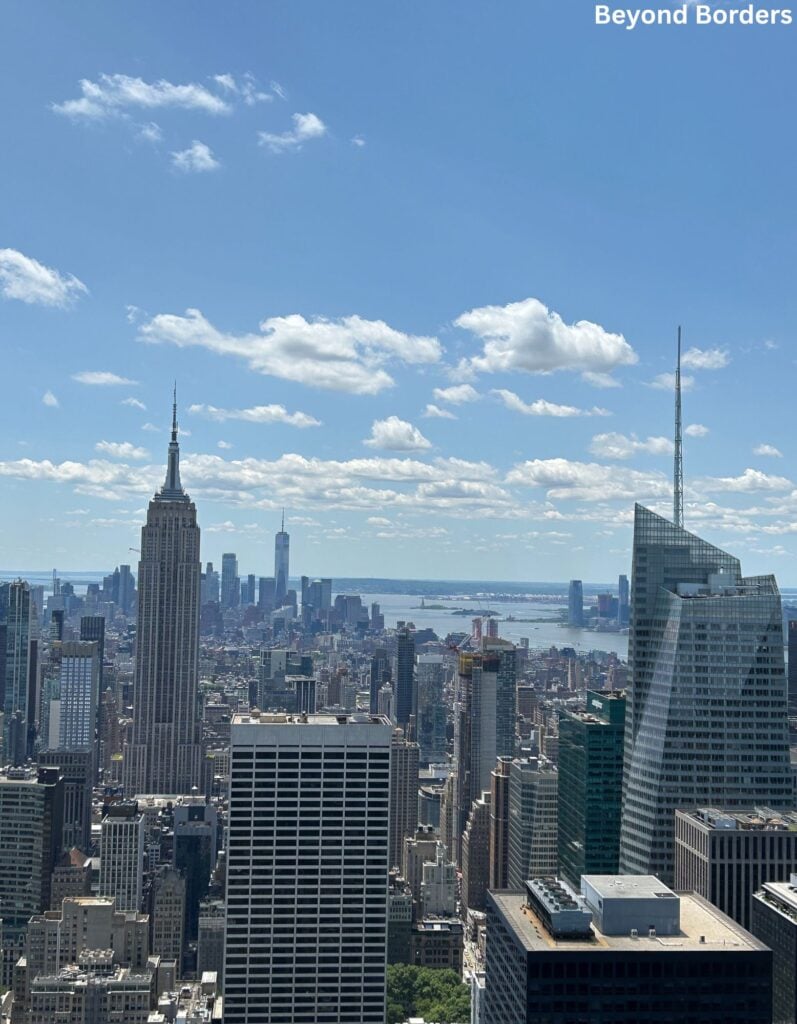
Rockefeller Center’s iconic Art Deco architecture, with its sleek lines and grand scale, embodies the ambition of New York City in the 1930s. Top of the Rock allows you to see Manhattan from three floors: 67th, 69th, and 70th, offering unobstructed, 360-degree views of the city!
- The Weather Pivot: If you haven’t pre-booked (purchase tickets on the official website; I recommend purchasing tickets 1 or 2 days before your visit to ensure pleasant weather); check the “Skyline Cam” at the ticket desk before paying. If it’s cloudy, save your money and explore the Underground Concourse, beneath street level. It’s a labyrinth of shops and places to eat that provides a seamless connection between buildings and subway lines, truly living up to its “city within a city” moniker.
- The Concourse Shortcut: Use the Concourse elevators to get between buildings; it’s a climate-controlled “city under the city” that lets you bypass the crowded sidewalk traffic on 5th Avenue.
My Insider Advice:
I visited the Top of the Rock observation deck, and I think it is the best observation deck option based on the unobstructed views you get! Moreover, it is also time-efficient due to your limited time in the city since it is already located in Rockefeller Center (an attraction within an attraction).
11:30 AM: The Central Park “Southeast Loop”
How to get here: Walk 10 minutes north on 5th Avenue from Rockefeller Center. As you walk along Fifth Avenue to get to Central Park, you will see several designer stores and a flagship Apple Store with its iconic, towering glass doors. Fifth Avenue is the second most expensive shopping street in the world, behind Via Monte Napoleone in Milan, Italy.
Enter Central Park at Grand Army Plaza (59th St and 5th Ave).
The Walking Loop: To see the most in around an hour, follow this specific path:
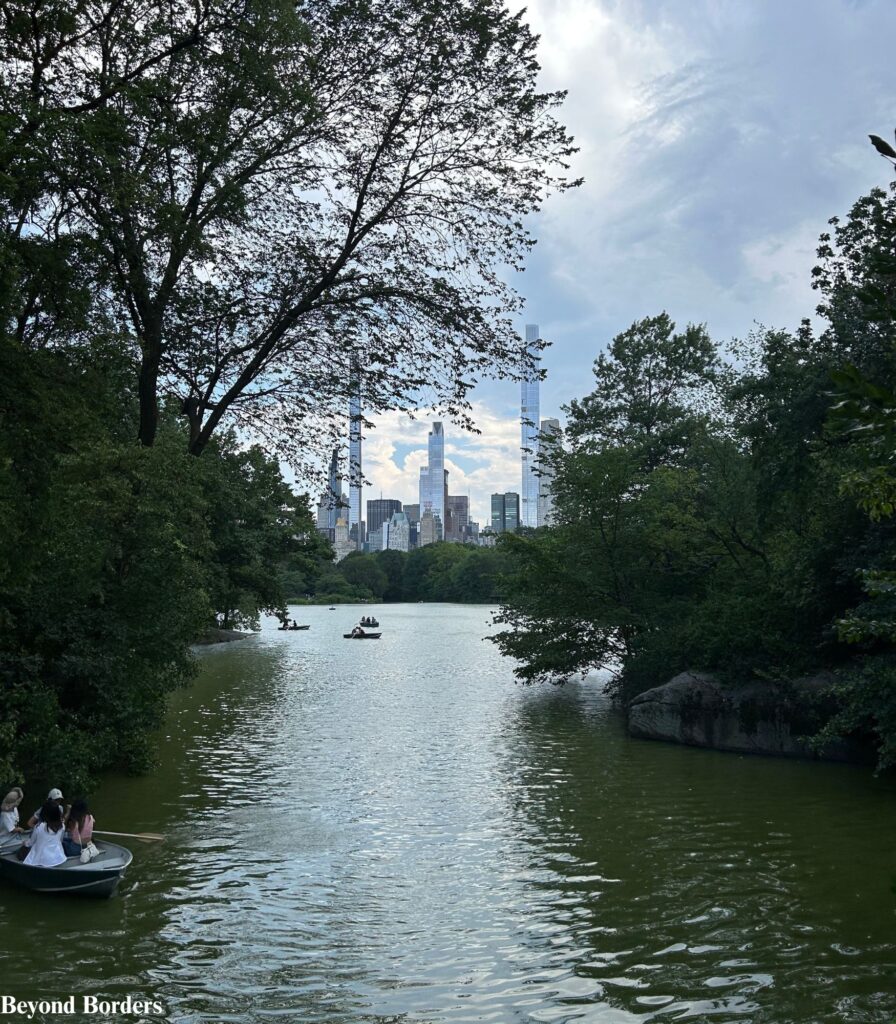
- Enter at The Pond and cross Gapstow Bridge.
- Walk north toward Wollman Rink.
- End at the start of The Mall and Literary Walk (the famous tree-lined walkway), but do not walk down.
The Exit: Don’t walk back the way you came. Exit at 66th Street and walk to the 68th St-Hunter College subway station.
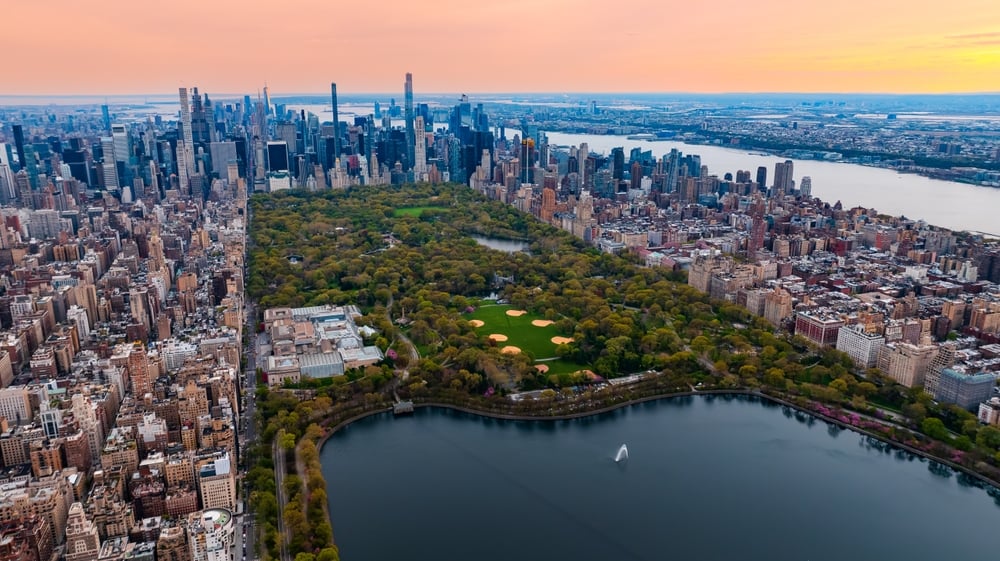
Spanning 843 acres, Central Park is New York City’s most famous park, a breathtaking green space amidst the dense concrete and towering skyscrapers of Manhattan. Central Park offers a sense of calmness, a true testament to urban planning, and a vital sanctuary for both New Yorkers and visitors seeking a break in the midst of one of the world’s busiest cities. I detail the must-see spots in Central Park in my Manhattan parks itinerary, which helps you navigate Manhattan’s 5 most iconic parks from north to south in 1 day.
My Insider Advice:
If you are hungry before coming to Grand Central, feel free to eat in Central Park, but note that it is much more expensive. There are also not many options that offer quick service; eating in a restaurant in Central Park will take up lots of time.
1:30 PM: Grand Central & The Dining Concourse Strategy
How to get here: Take the 6 train south from the 68th Street-Hunter College station to 42nd St–Grand Central. For the fastest “high-quality” meal, head to the Great Northern Food Hall or grab a Shake Shack burger in the concourse. If the seating area is full, take your food to the “hidden” seating area near the Lexington Passage exit.
After lunch, visit Jacques Torres Chocolate Shop in the Lexington Passage (on Lexington Avenue and the 43rd Street entrance). This is a famous chocolate and ice cream shop by Jacques Torres, a French pastry chef and chocolatier. They are known for their gourmet scoops in intense flavors, and sometimes feature unique options like chocolate stout and salted caramel. They also sell ice cream sandwiches made with their famous chocolate chip cookies.
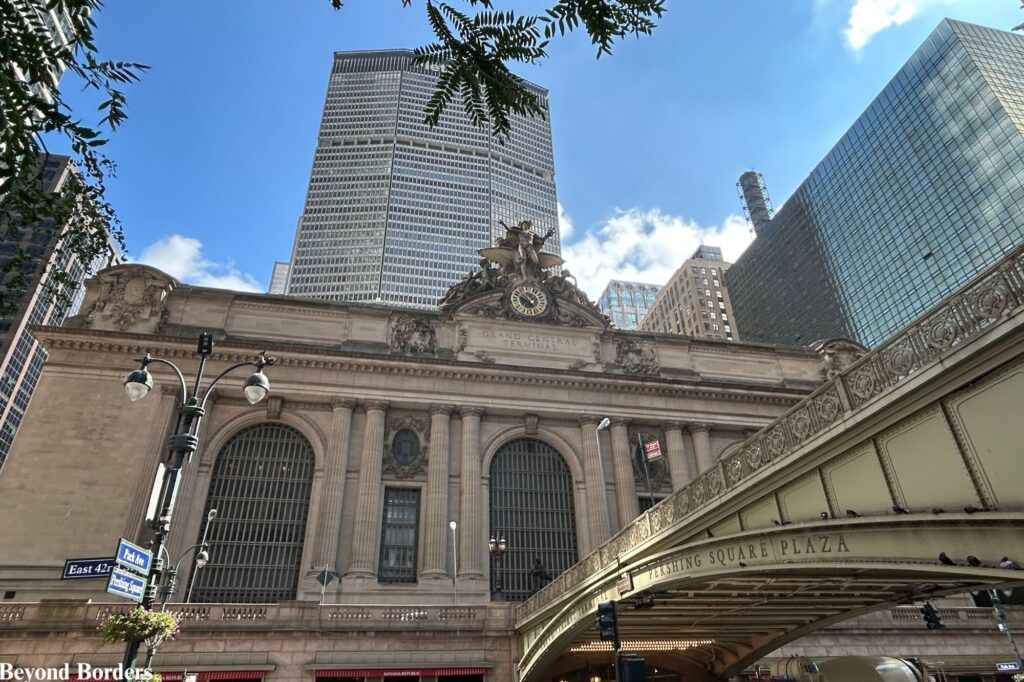
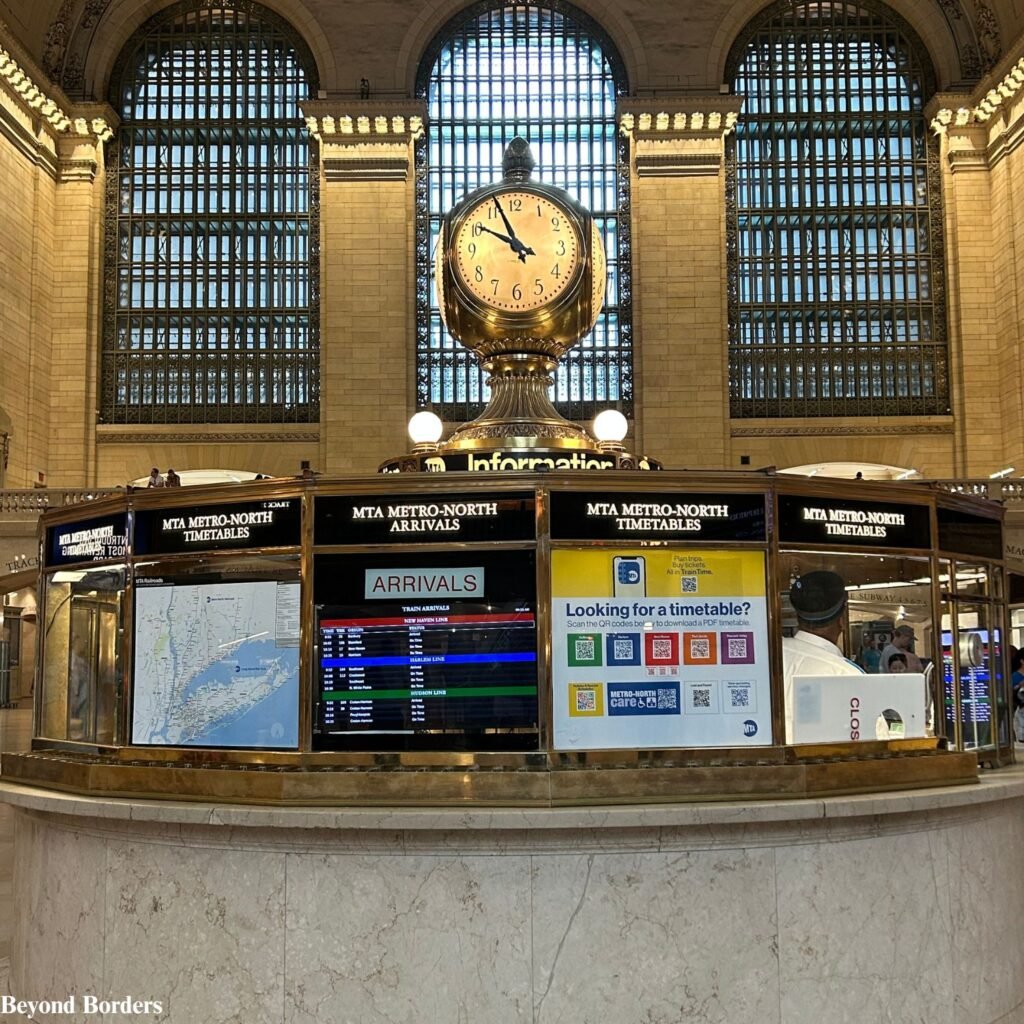
Grand Central Terminal is not only a train terminal but also a stunning Beaux-Arts architectural landmark, recognizable for its celestial ceiling, its famous four-faced opal clock, and its Whispering Gallery, making it a living testament to New York City’s grand history.
What is the Whispering Gallery?
Most people get lost looking for the Whispering Gallery when they visit Grand Central. Tucked away on the lower level of Grand Central Terminal, just outside the Oyster Bar, this unassuming arched hallway has a fun secret: if two people stand at opposite corners, face the wall, and whisper, their voices travel clearly across the space–despite the surrounding noise. Thanks to the curved ceiling, sound waves “hug” the walls and carry directly to the other side, creating a surprisingly clear, private conversation in the middle of this bustling terminal.
Pro-Tip:
Head to the lower-level Dining Concourse and look for the Oyster Bar & Restaurant. The gallery is the arched entryway directly in front of the restaurant’s entrance.
More Food Options at the Dining Concourse
Located on the lower level, the dining concourse is a large and busy hub for food and drinks. You will find a wide array of casual dining options. Well-known chains like Shake Shack are featured, in addition to various types of international cuisine (e.g., Indian, Mexican, Japanese, Middle Eastern), delis, bakeries like Zaro’s Family Bakery, and coffee shops. It caters to a broad range of tastes and budgets, perfect for a quick meal before a train or a more leisurely lunch. Seating can sometimes be scarce during peak hours, but the dining concourse does offer shared public seating areas. However, many individual vendors also have their own dedicated seating.
My Insider Advice:
The bathrooms in Grand Central are located on the lower-level Dining Concourse. They are some of the most reliable public restrooms in Midtown!
Check out my guide to the best public bathrooms in NYC for more clean restrooms throughout Manhattan, including how to get to them and the hours they are open.
Additional Option: Chrysler Building
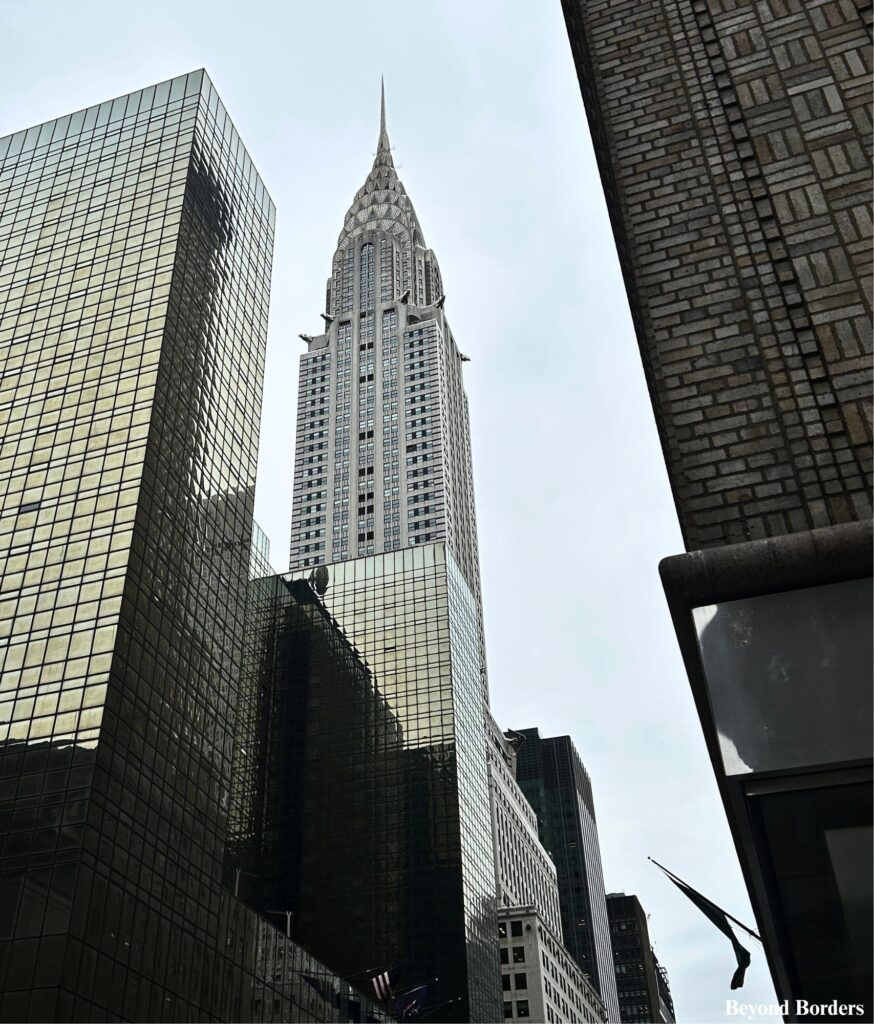
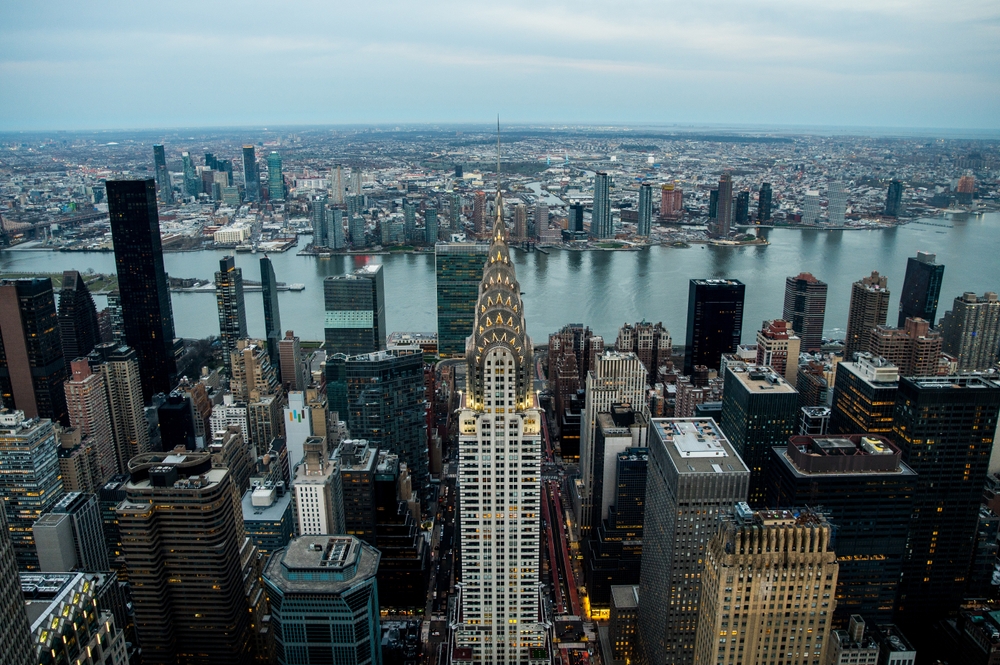
After you leave Grand Central, you can walk less than 5 minutes along East 43rd Street towards Lexington Avenue to see the Chrysler Building. The Chrysler Building is another Art Deco skyscraper of New York City, built in 1930, and was once the world’s tallest building before the Empire State Building was built. Its distinct, automotive-inspired ornamentation, especially the eagle gargoyles and radiating sunburst crown, makes it a unique piece of architecture. Spend a couple of minutes here taking pictures of this famous but less-visited landmark!
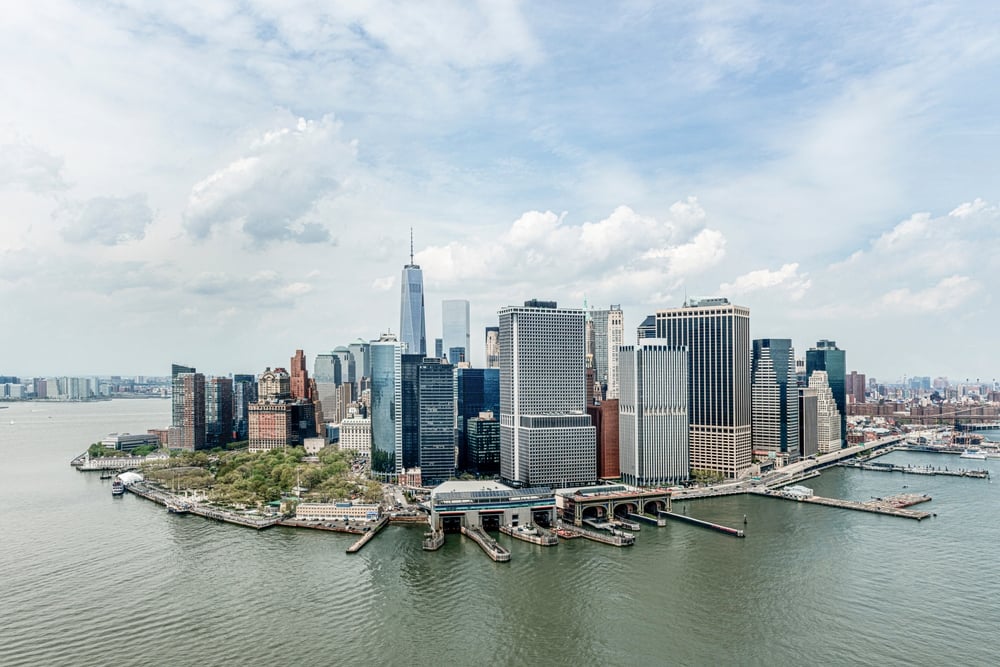
3:30 PM – 4:15 PM: The Historic Core of Lower Manhattan (The Battery to Wall Street)
How to get here: Take the 4 or 5 Express train south from Grand Central to Bowling Green. When you exit the station, walk directly toward the water.
Start at Battery Park (The Battery) for a quick street-level view of the Statue of Liberty. From there, walk straight up Broadway past the Charging Bull, making a right onto Wall Street to view the New York Stock Exchange and Federal Hall.

4:15 PM – 5:15 PM: The World Trade Center Hub (The Oculus & 9/11 Memorial)
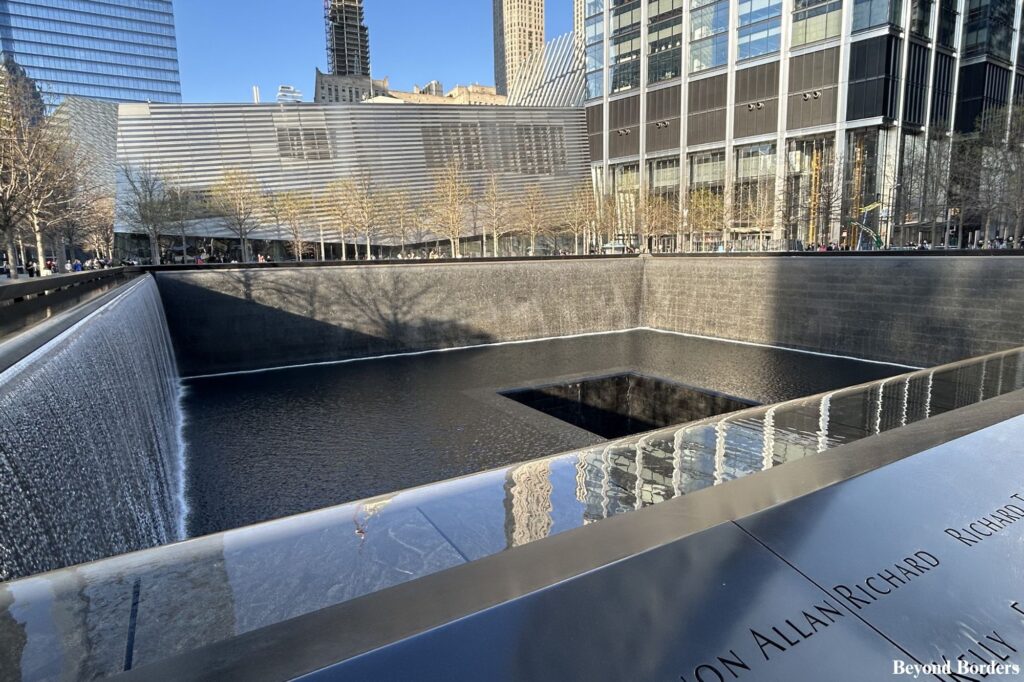
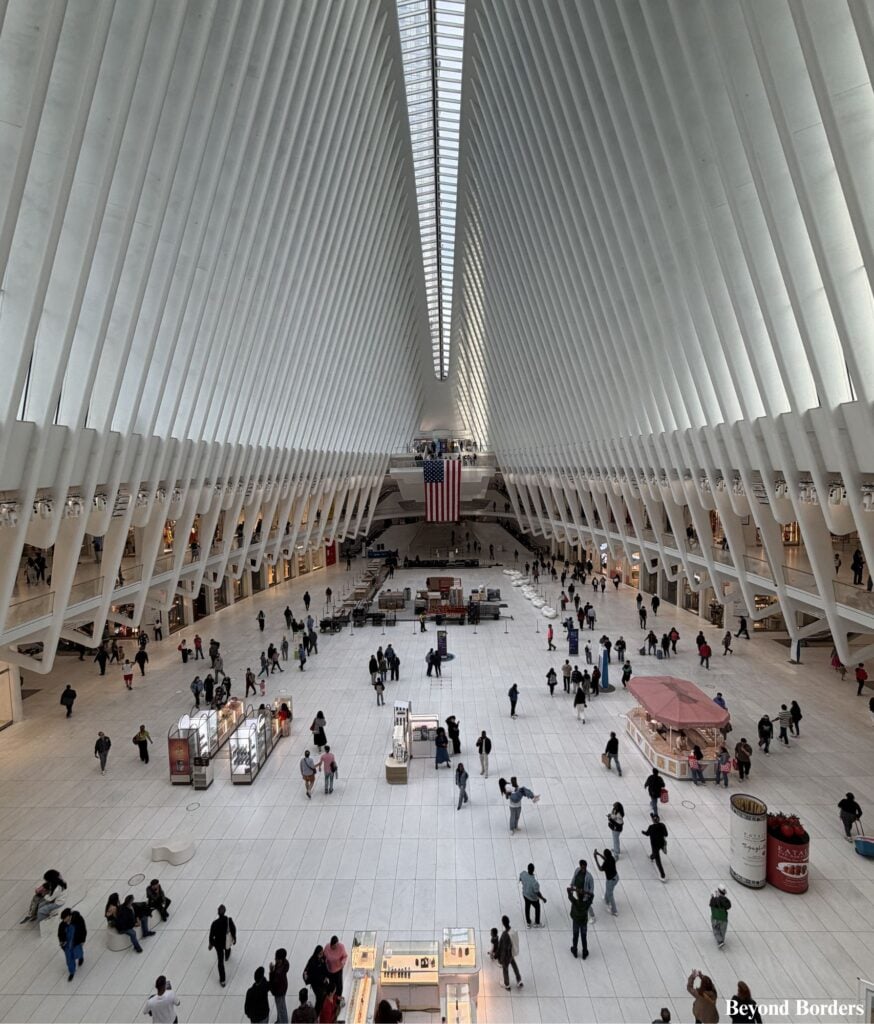
Walk northwest up Church Street to arrive at the World Trade Center campus. Explore the outdoor 9/11 Memorial Pools (free and open to the public), then step inside The Oculus to marvel at the architecture.
5:15 PM – 6:15 PM: The Downtown Pivot (The Oculus to Chinatown)
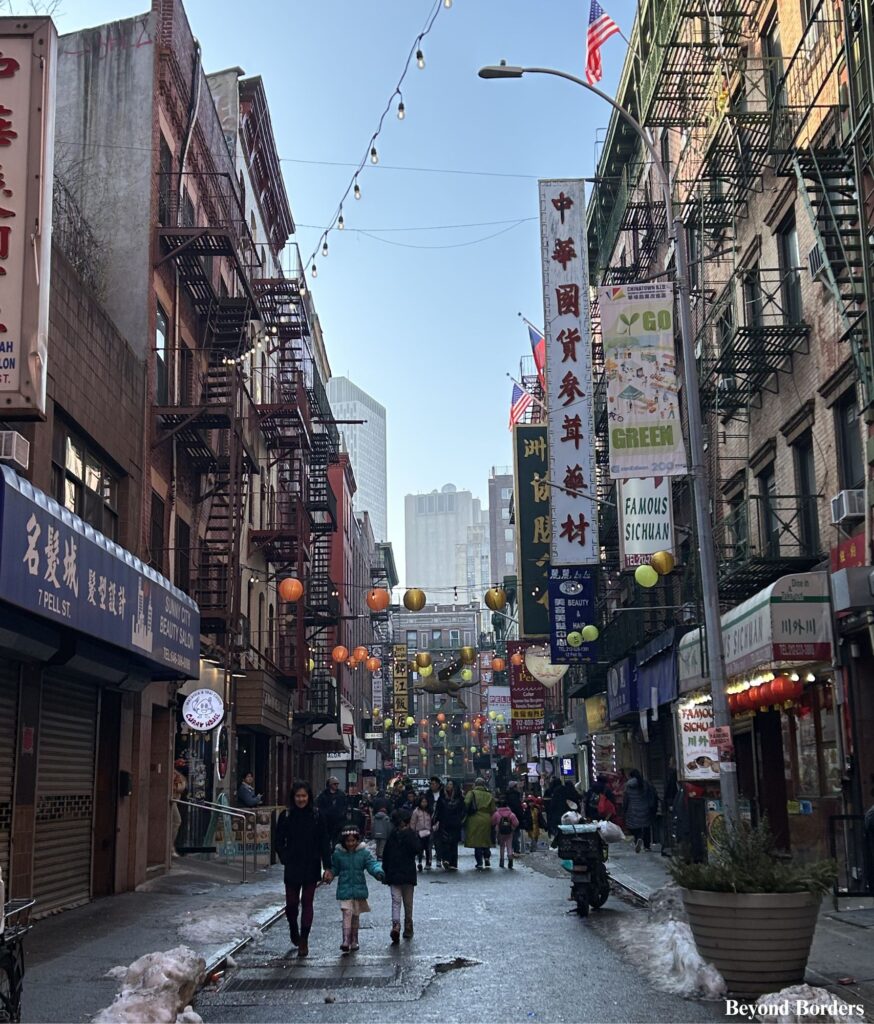
Exit the north side of the Oculus. Instead of heading east to the Seaport (which adds an extra mile), walk directly northeast up Centre Street past City Hall Park. This path brings you straight into the heart of Chinatown at Columbus Park and Worth Street in under 20 minutes.

6:15 PM – 7:15 PM: The Cultural Corridor (Chinatown & Little Italy Walk-Through)
Walk up Mott Street to absorb the sights and smells of Chinatown’s main market corridor. As you cross Canal Street, Mott Street transitions seamlessly into Little Italy. Keep walking north up Mulberry or Mott Street–enjoy the red-white-and-green string lights, but keep moving past the crowds.

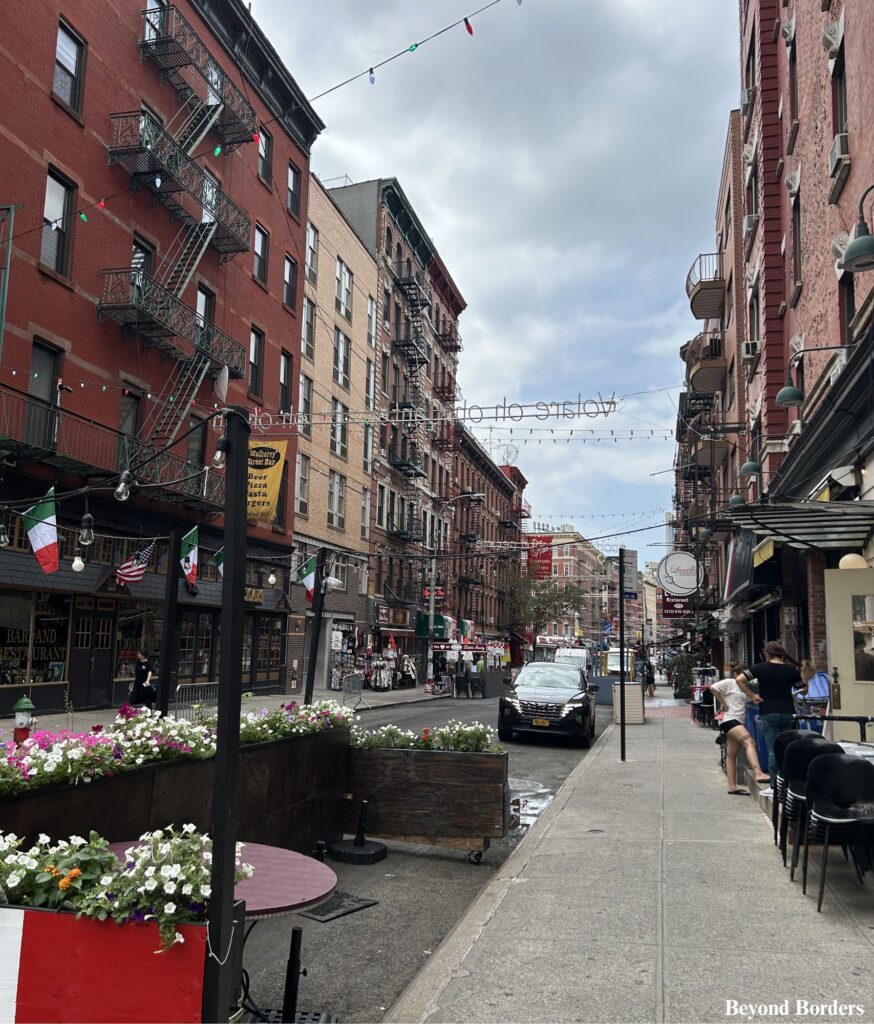
7:15 PM: The Destination (Arrival in Nolita)
Cross Kenmare Street to enter Nolita (“North of Little Italy”). You have officially arrived at your dinner zone on Mulberry Street with perfect timing for a 7:30 PM reservation or to check on your walk-in status.
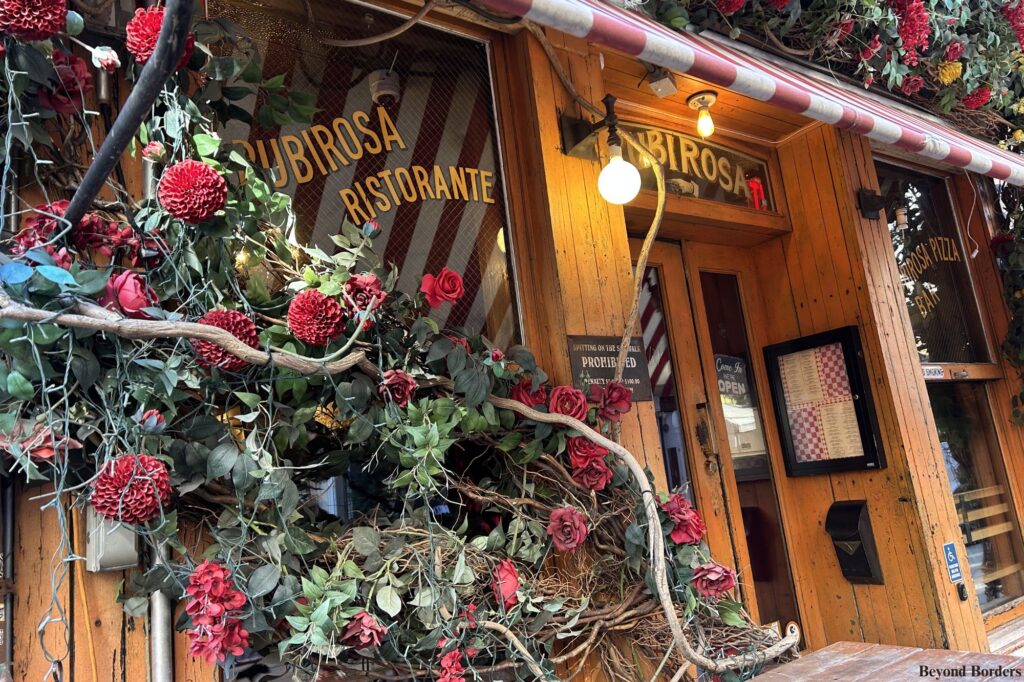
7:30 PM: The Rubirosa Dinner Strategy
Rubirosa (at 235 Mulberry St) is a Nolita institution, famous for its ultra-thin crust and legendary vodka sauce. Because it is one of the hardest reservations to secure in Manhattan, executing this stop on a 1-day itinerary requires strict adherence to one of two distinct protocols.
Protocol A: The 7-Day Resy Strike
If you are a planner, you can secure a prime 7:30 PM slot exactly one week out.
- The 7-Day Rule: Reservations drop exactly 7 days in advance at midnight EST on Resy. For example, if you want to dine on a Friday, you must be on the app Thursday night at 11:59 PM.
- For a complete breakdown of the exact timing hacks and swipe strategies to secure a table, check out my step-by-step guide to scoring Rubirosa reservations.
- The Profile Prep: Ensure your primary credit card is already saved in your Resy profile settings. Tables often disappear in under 60 seconds; if you have to manually type out your 16-digit card number and expiration details during checkout, your slot will be gone before you can hit submit.
Protocol B: The 5:30 PM In-Person Pivot (No Reservation)
Since this itinerary places you in Lower Manhattan during the afternoon, you cannot line up when Rubirosa opens its evening list at 4:00 PM. Instead, use this geographic intercept:
As you walk north from the Oculus toward Chinatown, you will pass right through Nolita around 5:30 PM. Drop your timeline back by 15 minutes, walk up to the Rubirosa host stand, and put your name on the walk-in list for a 7:30 PM target.
- The Holding Zone: Once your name is down, continue your walk through Chinatown. By 7:15 PM, head to Mother’s Ruin (at 129 Spring St) for a drink. They are a 4-minute walk away, keeping you well within Rubirosa’s strict 10-minute table-holding grace period.
What to Order (The Culinary Logistics)
Do not order a standard pepperoni pie. Rubirosa requires a strategic order to maximize your meal:
- The Signature: Order the Tie-Dye Pizza (Vodka sauce, tomato sauce, and a fresh pesto swirl).
- The Split-Pie Rule: If dining as a pair, you can order a Half-and-Half pie to try two styles (e.g., half Tie-Dye, half Classic).
- Warning: You will be charged the price of the more expensive pie, and because different sauces cook at varying moisture levels, a split pie structurally bakes differently than a dedicated whole pie.
The “Failure Mode” Backup Plan (Zero-Wait Edition)
If you miss the Resy window and the walk-in wait time is a staggering three hours, do not waste your only night in NYC waiting on a sidewalk. Abort the plan and pivot immediately to one of these high-velocity, low-friction spots within a 5-minute walk
| Backup Option and Distance from Rubirosa | What To Order | The Vibe/Why It’s Fast |
| Prince Street Pizza (27 Prince St); 2-minute walk east | Spicy Spring Slice (Fra Diavolo sauce, fresh mozzarella, spicy pepperoni cups) | The High-Velocity Line: Yes, there is usually a line down the sidewalk, but it is a strict slice-shop operation. The line moves continuously, and you will have world-class pizza in your hands in under 15 minutes. Eat it on the street like a real New Yorker. I even include Prince St Pizza in my top 5 pizza places in NYC guide. |
| Emilio’s Ballato (55 E Houston St); 5-minute walk north | Chicken Parmigiana | The Sit-Down Pivot: This is an old-school, no-reservations red sauce joint. While prime time can have a wait, their turnover is predictable, and if you are dining as a party of 1 or 2, you can often slip onto a barstool or grab a small table immediately without the multi-hour Resy gridlock. |
| Wah Fung No. 1 Fast Food (79 Chrystie St); 12-minute walk southeast | Roast Pork over Rice | The $10 Option: If you want an iconic, hyper-local culinary experience with zero pre-planning, go here. It is a tiny cash-only takeout window. The line looks intimidating, but because the meat is chopped and served in seconds, it moves incredibly fast. |
Pro-Tip:
Nolita is a high-density neighborhood. When you finish dinner, don’t try to hail a yellow cab on Mulberry Street–it’s a narrow street and often too congested. Instead, walk 5 minutes north to the Broadway-Lafayette St subway station (on the B, D, F, and M lines) to 34th St–Herald Square for a direct trip back to Midtown.
FAQs: NYC 1-Day Logistics
Conclusions
While a single day in New York City only scratches the surface, executing this timeline ensures you spend your limited hours actually experiencing the city rather than fighting its logistics.
By pre-checks on your transit apps, mapping a continuous north-to-south walking corridor from Central Park down to Lower Manhattan, and running a bulletproof dinner protocol in Nolita, you will successfully navigate more of NYC in 24 hours than most first-time visitors see in three days.
Hopefully, this step-by-step guide has removed the friction from your day trip and left you equipped to handle the city’s complex systems like a local. If you are already planning a longer return visit to explore the neighborhoods you skipped today, check out my 5-day New York City itinerary or my deep-dive guide to the city’s best hidden gems for a slower-paced adventure.
Did this blueprint help you maximize your tight schedule in the city? Let me know in the comments below which specific logistical tip saved your day, or drop your own favorite NYC transit hack!