How to Avoid NYC Tourist Scams in 3 Steps:
- Strictly enforce no engagement with unsolicited street vendors, costumed characters, and unauthorized transportation providers.
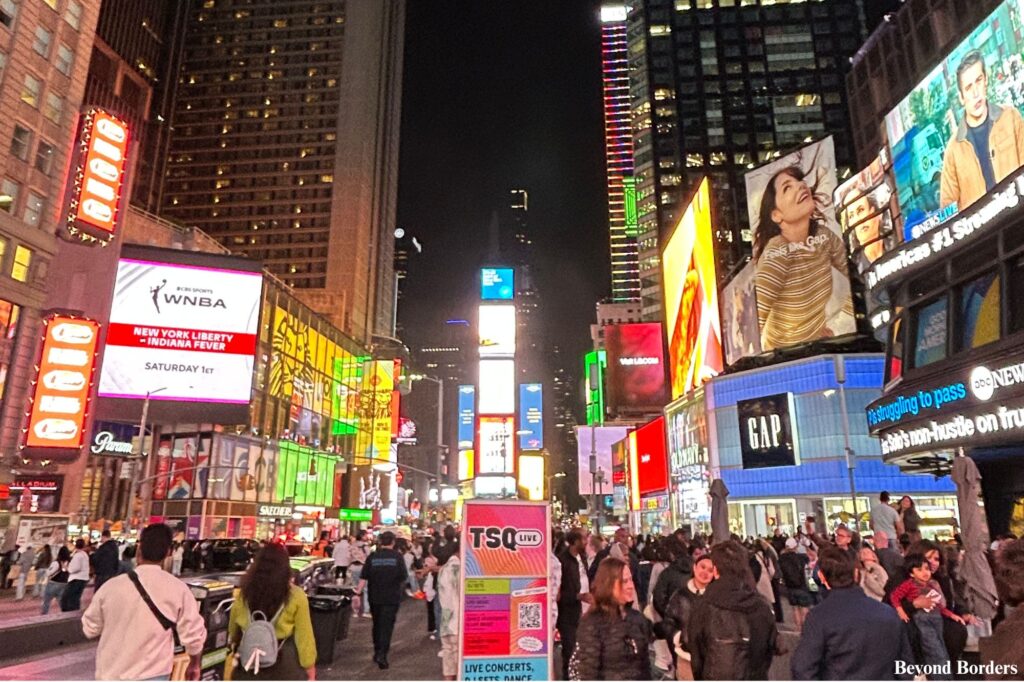
- Professional scammers in high-traffic hubs like Times Square and Battery Park rely heavily on travelers’ natural politeness to initiate an interaction or physically force a “free” item into their hands.
- To protect your budget, maintain your walking pace, keep your hands to your sides, and firmly say “No, thank you” without stopping or making eye contact.
Introduction: How to Spot and Avoid NYC Hustlers
Avoiding common NYC scams in 2026 is a matter of following a specific protocol to distinguish genuine New York hospitality from a professional hustler. While the city is incredibly safe for travelers, its high volume of visitors makes it a testing ground for fraudsters who update their tactics every season.
From the “broken” taxi meter trick to fake OMNY transit “helpers” at the subway turnstiles, the traps are becoming more sophisticated. Whether you are a first-timer or a seasoned visitor, the key to protecting your budget and peace of mind is knowing how to identify a scam before it starts.
In this guide, I am breaking down the step-by-step detection for the 8 most common scams (plus some more) you might encounter on your next trip. By following these “Red Flag” checklists, you can navigate the city with the confidence and situational awareness of a savvy local.
Jump to my Quick-Reference FAQs ↓ at the bottom of this guide if you have a specific question!
How to Find Common Scams and Your Immediate Action Decision Matrix
| The Scam | The Danger Zone | Your Immediate Action Protocol |
| Fake Monks | Times Square, High Line | Keep walking; keep hands on your bag straps so they can’t slip a bracelet onto you. |
| CD Sellers/Rappers | Times Square, Broadway | Hands in pockets; say “No thank you” firmly without breaking your stride. |
| Times Square Characters | Times Square Plaza | Avoid, or do not stop to pose or hand over your camera unless you have explicitly agreed on a tip amount before the photo. |
| Counterfeit Products | Times Square/Midtown, parts of SoHo and other shopping areas | Walk away from street blankets offering cheap AirPods or luxury bags; they are low-quality, illegal fakes. |
| Statue of Liberty Fraud | Battery Park, Bowling Green Station | Walk directly past street vendors wearing neon vests; buy only inside Castle Clinton. |
| Pedicab Rip-offs | Central Park, Midtown | Never step inside without a written, all-in flat rate. Better yet: take the subway instead. |
| Street Betting | Times Square, Midtown | Walk past the crowd. The “players” winning are actors (shills); the game is completely rigged. |
| Pickpockets/Commuter Jostling | Crowded subway cars, Times Square | Move away if someone stands uncomfortably close in an empty space; wear backpacks on your front. |
| Unofficial Taxi Hustlers | JFK & LGA Arrivals, Penn Station | Ignore anyone offering a ride inside the terminal. Walk outside to use a licensed yellow cab at the official yellow cab stand outside. |
| ATM Skimmers | Convenience stores, unlit street corners | Only use ATMs inside physical bank lobbies. Shake the card reader slightly before inserting your card. |
| Quishing (Fake QR Codes) | Street parking meters | Never scan a QR code sticker slapped onto a parking meter. Pay only via the official ParkNYC app. |
New York City In-Person Scams
How to Handle “Fake Monk” Solicitations
Red Flag Checklist
- Red Flag 1: They try to place a “free” bracelet or medallion in your hand before asking for a donation.
- Red Flag 2: They show you a logbook filled with “donations” from others to pressure you into paying.
- Red Flag 3: They become aggressive or follow you if you try to walk away.
One of the most common NYC tourist scams in 2026 is that individuals dressed in Buddhist monk robes may approach you, especially in tourist-heavy areas like Times Square. You will see people in orange/saffron robes, and they will persistently offer a “free” bracelet or medallion, and then demand a “donation,” often showing you a logbook with large amounts supposedly given by others. Do not touch the item. Real Buddhist monks do not aggressively solicit money.
Your 3-Step Avoidance Checklist
- Secure Your Hands: Keep your hands in your pockets or firmly on your bag straps as you approach them so they cannot physically slide a bracelet onto your wrist.
- Maintain Momentum: Do not break your walking stride or make eye contact. Stopping to be polite is what triggers their aggressive pitch.
- The Absolute Boundary: If they manage to drop an item onto your person, do not hand it back to them. Place it immediately on a nearby flat surface (like a bench or newspaper box) and walk away.
How to Spot and Avoid Counterfeit Product Scams
- Red Flag 1: The vendor offers luxury items (AirPods, designer bags) at a “bargain” price that seems too good to be true.
- Red Flag 2: The seller is pushy and demands cash-only transactions.
- Red Flag 3: The packaging has blurry graphics, misspellings, or feels like low-quality material.
- Red Flag 4: The seller refuses to provide a receipt or warranty for the product.
Avoid unauthorized street vendors in New York City who sell “Apple products” like AirPods and iPhones. These sellers prey on a tourist’s desire for a bargain by offering a seemingly incredible deal: a new device for a fraction of the retail price. However, these are almost always cheap, non-functional counterfeits.
To spot a fake product, look for packaging of poor quality with blurry graphics or misspellings. Be especially cautious if the seller is pushy, only accepts cash, and refuses to provide a receipt or warranty, as this is a clear sign they know the product is a scam.
Beyond simply losing money, counterfeit electronics can pose a serious safety risk, as they may overheat or even damage the devices to which they are connected. Always purchase from a legitimate, authorized retailer to ensure you get a safe, authentic product with a valid warranty.
In addition to counterfeit electronics, you will also encounter vendors displaying knock-off designer handbags, wallets, and other goods on blankets or makeshift tables as you walk through tourist-heavy areas in New York City. Don’t be tempted by the low prices, as these products are illegal counterfeits, often featuring fake logos on the accessories that look real.
How to Navigate Times Square Characters
- Red Flag 1: The character initiates a photo before discussing a price with you.
- Red Flag 2: They insist on a specific, high tip amount after the photo is taken.
- Red Flag 3: They become aggressive or block your path if you refuse to pay.
In places like Times Square in New York City, which attracts millions of tourists per year, people dressed as popular movie and cartoon characters pose for photos. After the photo is taken, they will aggressively demand a tip, sometimes a significant amount. If you don’t want to pay, do not take the photo. If you do want a photo, agree on the “tip” amount before the camera comes out.

How to Handle Unsolicited “Help” from Strangers
- Red Flag 1: Someone approaches you to offer help without you asking for directions.
- Red Flag 2: They attempt to swipe their own card for your entry at a turnstile and demand cash from you.
- Red Flag 3: They try to lead you toward an alley, a specific shop, or an isolated area while offering “directions.”
Someone on the street may approach you, offering unsolicited help with things like getting a MetroCard or directions. This often leads to a scam, such as them swiping a MetroCard for you and charging you an inflated price for a single ride, or leading you to a shady location. It’s best to use official information booths, apps, or ask a uniformed MTA employee for help.
How to Handle Street Performers and “Free” CD Solicitations
- Red Flag 1: They force a CD or “demo” into your hand to make you feel obligated to hold it.
- Red Flag 2: They refuse to take the item back once you are holding it and demand payment.
- Red Flag 3: They become hostile or surround you if you refuse to pay for the “gift.”
This scam involves someone, often a self-proclaimed rapper or musical artist, approaching you and trying to give you a “free” CD. Once you take it, they will pressure you into paying for it, and can become hostile if you refuse. Do not accept anything that is offered to you for free on the street.
How to Identify and Avoid Overpriced Pedicab Rides
- Red Flag 1: The driver gives a vague answer when you ask for the total price (e.g., “We’ll figure it out” or “It’s cheap”).
- Red Flag 2: The signage for the “per minute” rate is hidden, extremely small, or intentionally obscured.
- Red Flag 3: You haven’t agreed on a final, all-in price before the ride begins.
While exploring the best parks in Manhattan or even as you walk down the street, you’ll often encounter people being driven around in pedicabs. While pedicabs can be a fun way to explore New York City, many drivers are known to overcharge tourists. They will conveniently leave out the fact that they charge you “per minute,” leading to a costly ride.
Always agree on a set, final price for the trip before you get in, or just avoid them completely and use the subway instead. Additionally, try your best NOT to use taxis! You will spend more time sitting in the car than going to your destination.
How to Recognize and Avoid Street Betting Scams
- Red Flag 1: A small, “impromptu” crowd is gathered around a cardboard box or a blanket on the sidewalk.
- Red Flag 2: Multiple people in the crowd appear to be winning easily–these are “shills” who are part of the scam.
- Red Flag 3: The “dealer” moves the cards or cups with extreme speed, which is a sleight-of-hand trick to ensure you can never win.
You may see groups of people playing games like “three-card monte” or “three-cup monte” on the streets in New York City, especially around tourist areas like Times Square and the Empire State Building. They are always rigged, with the people playing and winning being part of the scam. You will never win. Do not participate in these games.
How to Spot Statue of Liberty Ticket Fraud
- Red Flag 1: The seller is wearing a bright vest or t-shirt and standing near the Bowling Green subway entrance or entrance to Battery Park rather than the official ticket window.
- Red Flag 2: They claim the official National Park Service ferry is “sold out,” “closed for the day,” or “too slow.”
- Red Flag 3: They attempt to block your path toward Castle Clinton to prevent you from seeing the official ticket prices.
While Times Square is famous for its hustlers, you’ll find one of the most persistent NYC tourist scams in 2026 down at Battery Park: the Statue of Liberty ticket scam. Even though it’s miles from Midtown, aggressive street vendors here regularly trick visitors into buying overpriced or “fake” ferry tickets.
In Battery Park, where the Statue of Liberty ferry departs, scammers will try to sell you “tickets” for a private boat tour. You will see them immediately when you walk into the park. These sellers are wearing red, blue, or purple t-shirts/vests and wait outside the park and/or outside the Bowling Green subway station. They will also say that the city hires them to gain your trust and purchase tickets through them.
They insist that official ferries are sold out (or closed) and that their tours are better or quicker, preying on a tourist’s desire to save time during their New York City trip, and they also often block off the pathway where you can walk to Castle Clinton to buy official ferry tickets.
The official ferry is the only one that can take you to the island. You can purchase tickets in advance online or from the official ticket booth at Castle Clinton. Make sure you verify the price: official tickets are approximately $26; scammers often charge $50+. I will go into more detail about the official ferry to see the Statue of Liberty below.
The city has put up a large sign at the entrance to Battery Park near the Bowling Green subway station that says“WARNING: SCAM ALERT” to notify tourists about fraudulent Statue of Liberty Scams, but these scammers will often move the sign to where tourists can’t see it, and therefore would not realize scammers are around.
My Insider Advice: Consider the Staten Island Ferry
The Staten Island Ferry, which is free and offers great views of the Statue of Liberty, is a great alternative if you wish to see the Statue of Liberty up close and want to save money. I talk about this ferry in more detail below in this guide and in my 1 day in downtown Manhattan itinerary.

Other New York City Scams
How to Identify ATM Skimmers and Protect Your PIN
- Red Flag 1: The card reader feels loose, wobbly, or looks thicker than the rest of the machine.
- Red Flag 2: The keypad feels “spongy,” “mushy,” or unusually thick (a sign of a pin-recording overlay).
- Red Flag 3: The ATM is located in a dark, isolated street corner rather than inside a well-lit bank lobby.
- Red Flag 4: Physical Discontinuity. The card slot or keypad on a credit card reader/payment terminal, especially the chip reader, looks slightly different in color or texture compared to the rest of the machine, or there are visible scratches and glue residue around the reader.
Be careful when using an ATM in New York City, especially if you are in a less secure area. Scammers may install devices in the card slot to steal your card information. Try to use ATMs located inside a bank lobby only. Always cover the keypad with your hand when entering your PIN.
When using gas stations or convenience store terminals, look for signs of “overlay” devices. These are thin, plastic covers designed to look exactly like the original credit/debit card slot, but are often slightly misaligned or might wiggle when touched. Before inserting your card, give the reader a firm tug; a legitimate card reader is part of the machine’s chassis and won’t move, whereas a skimmer is often held on by simple double-sided tape or weak adhesive and may pop off.
The Golden Rule: When in doubt, pay with cash or use the “Tap to Pay” (NFC) option with your credit/debit card or Apple Pay instead of inserting your card. Skimmers rely on the physical magnetic strip, so “tapping” is currently one of the most effective ways to bypass this scam entirely.
How to Prevent Pickpocketing in Crowded Tourist Areas
- Red Flag 1: Unnecessary Proximity. A stranger stands uncomfortably close to you, even when there is plenty of open space.
- In an empty subway car, for example, this is a clear sign of targeting. However, in a crowded car, be alert for “staged crowding.” Pickpockets often choose the busiest cars specifically so you won’t notice a hand in your pocket. If someone is pressing against you in a way that doesn’t match the flow of the crowd, shift your position immediately.
- Red Flag 2: Someone is carrying a “shield” (a jacket, newspaper, or large bag) draped over their arm to hide their hand movements.
- Red Flag 3: You experience a sudden, “accidental” bump or jostle from a stranger in a high-traffic area.
New York City is a major metropolitan area with a high volume of people, and because pickpockets thrive in dense crowds, theft remains one of the most frequent NYC tourist scams in 2026. Be mindful of your belongings and surroundings on the subway, in Times Square, and at other popular tourist attractions.
While density is usually your friend on the subway, be wary of “staged crowding.” Professional pickpockets often board the most packed cars because the natural jostling of a moving train provides the perfect noise to mask their movements. If you feel someone pressing against your bag or pockets more than the typical “rush hour lean,” don’t be afraid to move or rotate your body to create a physical buffer.
Carry bags and backpacks on your front side, and keep your wallet and phone in a secure, zipped pocket. If you wear a fanny pack, I advise that you NOT wear it around your waist and instead wear it as a crossbody bag with the bag facing the front (on your chest).
How to Identify Authorized Taxis and Avoid Unofficial Rides
- Red Flag 1: A person approaches you inside the airport terminal or on the sidewalk offering a “ride” or “limo.”
- Red Flag 2: The vehicle lacks the official NYC Taxi medallion number on the hood or the standard lighted roof sign.
- Red Flag 3: The driver asks for a “flat rate” upfront instead of using a meter or a verified rideshare app.
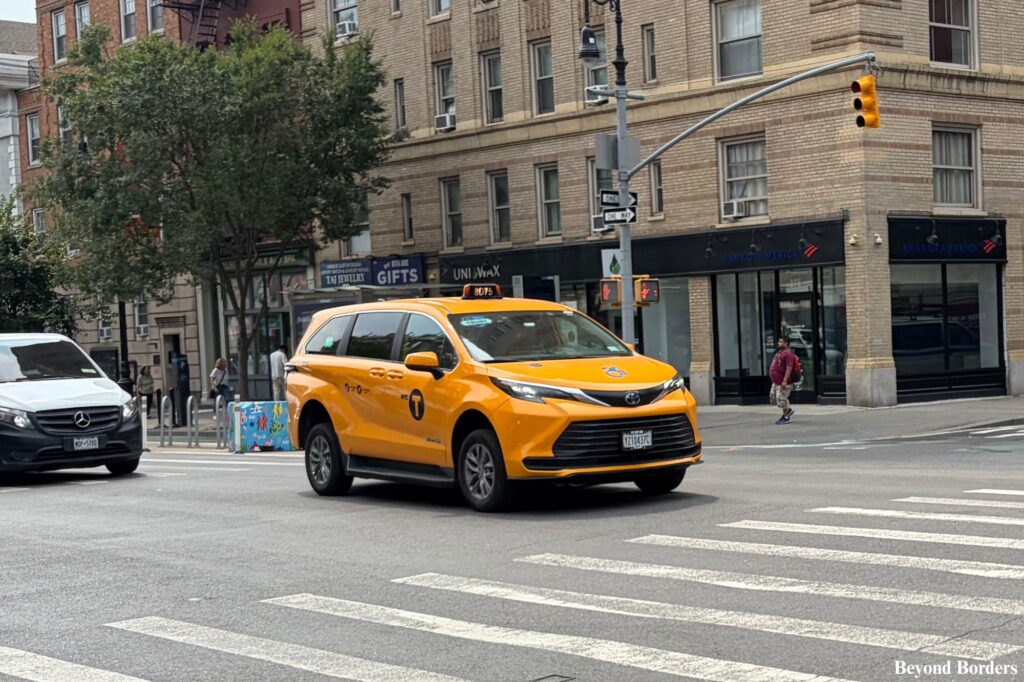
Upon arriving at one of the New York City area airports, you can easily get to your accommodation using a taxi or rideshare service. For your security and to avoid scams, always use a licensed yellow cab found at an official taxi stand. Alternatively, use a legitimate rideshare app to book your ride. Do not accept rides from anyone who approaches you in the terminal offering a ride, as they are often unlicensed and will overcharge you and/or be unsafe.
How to Protect Yourself from “Quishing” (QR Code Scams)
The most modern addition to the list of NYC tourist scams in 2026 is “Quishing,” a clever play on QR codes and phishing. As New York has shifted almost entirely to digital payments, scammers have begun placing fraudulent QR stickers directly over legitimate ones on parking meters (especially ParkNYC meters), restaurant menus, and even Citi Bike docks. When you scan these stickers to pay for your parking or view a menu, you aren’t taken to an official city site; instead, you’re redirected to a sophisticated “look-alike” page designed to harvest your credit card details or install malware on your device. Read more about quishing here.
In early 2026, the NYC Department of Transportation issued a citywide alert after discovering hundreds of these stickers in high-traffic areas like the West Village and Midtown. The Rule for 2026: Always run your finger over a QR code before scanning it. If you feel the edge of a sticker or see it’s slightly misaligned, don’t scan it—pay via the official app or use the physical meter’s keypad instead. Feel free to watch this video that shows how quishing works in New York City.
Red Flag Checklist: Is that QR Code a Scam?
Before you scan or enter your payment details, check for these warning signs:
- The “Sticker Test”: Does the QR code feel raised? Legitimate NYC parking meters do not use QR codes for payment. If you see a sticker on a meter, it is likely a fraudulent third-party addition.
- The URL Check: Official payments in NYC are handled exclusively through the ParkNYC app or the physical meter itself. If the scan takes you to a website asking for credit card info instead of opening a verified app, close the window immediately.
- The “Fine Print” Trap: Scammers often use urgent language like “Pay Now to Avoid Towing.” Real city meters won’t use aggressive “pop-up” style warnings on a webpage.
- No Physical Record: If you use the physical meter, you get a paper receipt to display in your windshield—a “physical record” that proves you paid the real deal.
- Third-Party Branding: Be wary of any site that doesn’t clearly display the official NYC DOT or ParkNYC logos.
Pro-Tip:
If you see a suspicious QR code on a parking meter, the DOT actually recommends that you tear it off (if possible) and report it to ParkNYC to protect the next traveler.

How and Where to Buy Tickets to Visit Liberty and Ellis Island
In New York City, the official and only authorized provider of ferry service and tours to the Statue of Liberty and Ellis Island is Statue City Cruises. You should only purchase tickets through them to ensure they are legitimate.
What’s Included with All Tickets
All official tickets, regardless of the level of access you purchase, include the following:
- Round-trip ferry service from either Battery Park or Liberty State Park in New Jersey. The ferry makes stops at both Liberty Island and Ellis Island
- Access to the grounds of both Liberty Island and Ellis Island
- Admission to the Statue of Liberty Museum on Liberty Island, which houses the Statue’s original torch
- Admission to the Ellis Island National Museum of Immigration
- A self-guided audio tour for both islands, available in multiple languages
Ticket Options
When you purchase a ticket from Statue City Cruises, you have a few options for the level of access you want. These are often sold out well in advance, so it’s highly recommended to book online.
- General Admission: This is the most widely available ticket. It gives you access to the grounds and museums on both islands. It does not include access inside the Statue itself.
- Pedestal Reserve: This ticket includes everything in the General Admission ticket, plus access to the Fort Wood section of the Statue’s pedestal. From the pedestal, you can enjoy an observation balcony with spectacular views of the Statue and New York Harbor. Pedestal tickets are limited and must be reserved in advance.
- Crown Reserve: This is the most exclusive ticket and is extremely limited. It includes all of the above, plus access to the Statue’s crown. The climb to the crown is a strenuous walk up 162 steps from the pedestal, and there is no elevator. These tickets sell out months in advance and are the hardest to get.
How to Purchase Official Tickets
Online: The official website is the easiest and most reliable way to purchase tickets.
By Phone: You can call Statue City Cruises to reserve tickets. Their phone number is 877-523-9849.
In-Person: Tickets can be purchased at the official ticket booths located in Castle Clinton in Battery Park or at the ferry departure point in Liberty State Park, New Jersey. I strongly recommend that you do not wait until the day of your visit, as tickets, especially for the pedestal and crown, are often sold out.
The Best Free View: Staten Island Ferry vs Statue City Cruises
If your goal is to see Lady Liberty up close without the $25+ price tag of Statue City Cruises, the Staten Island Ferry is your best friend. This legendary commuter boat is 100% free and runs 24/7, departing from the Whitehall Terminal in Lower Manhattan every 15 to 30 minutes. As you sail across the harbor, the ferry passes within 600 yards of the statue, providing an incredible panoramic view of the skyline and the monument itself.
For the best photos, head to the right side (starboard) of the boat when departing Manhattan. Just keep in mind that the ferry does not stop at Liberty Island; it’s a 50-minute round trip where you must disembark at St. George Terminal on Staten Island and immediately re-board for the return leg. It’s the perfect ‘zero-dollar’ hack for seeing one of the world’s most iconic NYC landmarks while enjoying the refreshing harbor breeze.
What to Remember:
Remember: Anyone trying to sell you a “ticket” for the Staten Island Ferry is a scammer. There are no tickets—you just walk right onto the boat.
Statue City Cruises vs. Staten Island Ferry Comparison
| Feature | Statue City Cruises (Official) | Staten Island Ferry (Free Hack) |
| Cost (Adult 2026) | $26.00 | FREE |
| Set Foot on Liberty Island? | YES | NO |
| Ellis Island Included? | YES | NO |
| Total Time | 3–5 Hours | 50–60 Minutes (Round Trip) |
| Best View | Up close at the base or pedestal | Scenic skyline & harbor view |
| Crowd Level | High (Security lines can be long) | High during rush hour, light mid-day |
| Frequency | Every 20–30 Minutes | Every 15–30 Minutes (Runs 24/7) |
How to Choose Your Statue of Liberty Visit Option
Selecting the right way to view Lady Liberty depends entirely on your budget, your schedule, and whether you want to physically step foot on the island. Follow this simple 2-step decision protocol to choose the perfect option for your itinerary:
Step 1: Assess Your Time and Budget Constraints
Before booking anything, look at your daily schedule.
- If you have 4–5 hours to spare and want a deep-dive historical experience, you should plan to visit the island directly.
- If you only have 1–2 hours and just want a classic skyline photo without spending a dime, a harbor transit cruise is your best bet.
Step 2: Match Your Constraints to the Correct Vessel
Once you know your limits, execute one of the following two options:
Option A: Choose Statue City Cruises
- Use this option if: You want to climb the pedestal, stand at the crown, explore the statue’s museum, or visit the Ellis Island National Museum of Immigration.
- The Commitment: This requires purchasing an official ticket in advance and dedicating a half-day (4+ hours) to security lines and ferry transfers.
Option B: Choose the Staten Island Ferry
- Use this option if: You are on a tight schedule, want a completely free boat ride with great views, and don’t need to walk on the island itself.
- The Commitment: This takes about one hour total for a round-trip ride, ultimate budget-friendly, high-speed option for seeing this iconic NYC landmark.
My Insider Advice:
If you choose Option B (the free Staten Island Ferry), do not stay on the boat when it arrives in Staten Island, thinking you can just ride it right back. NYC transit laws require everyone to exit the vessel completely. To get back to Manhattan, simply follow the crowd off the boat, walk through the terminal doors, and re-board the next departing ferry right across the hall—the whole turnaround takes less than 10 minutes!
FAQs: Navigating NYC Scams
Conclusions: How to Navigate NYC with Confidence
While New York City is a vibrant, energetic city, its popularity makes it a natural target for “crimes of opportunity.” However, by implementing these detection protocols and staying vigilant, you can effectively remove yourself as a target.
Remember: avoiding a scam isn’t about being cynical–it’s about having the right situational awareness. By following these “Red Flag” checklists, you’ve traded “tourist uncertainty” for local street smarts. Now, your New York City trip can stay focused on unforgettable memories instead of unwanted surprises.
Ready for the next step? Once you’ve learned how to spot these street hustles, make sure you know how to navigate the NYC subway safely with my step-by-step subway safety guide for visitors.