Introduction
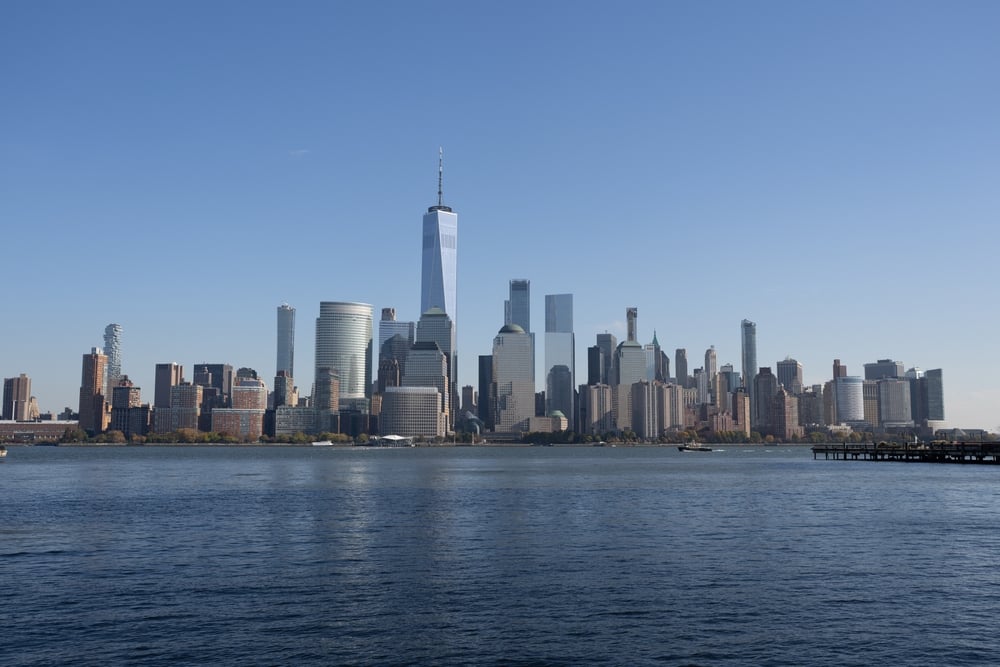
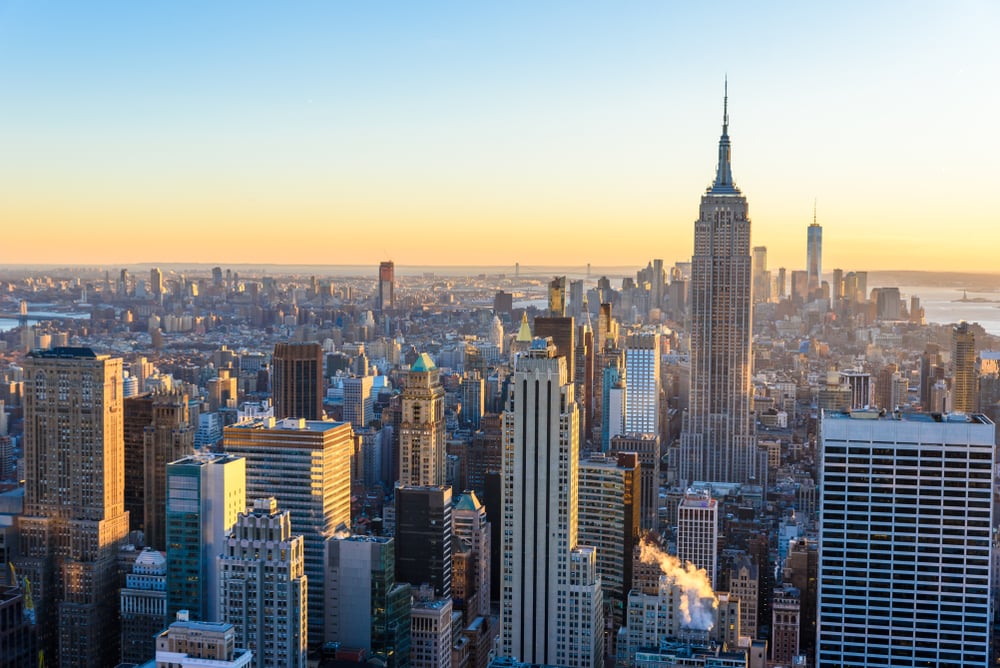
Downtown Manhattan is the city’s historic birthplace and core, a dynamic area where centuries-old cobblestone streets in SoHo meet the towering skyscrapers of the world’s principal financial center. For a single day of exploration, this itinerary provides a perfectly curated experience, condensing the downtown Manhattan highlights from my full 5-day NYC guide into one unforgettable trip. With this downtown Manhattan walking tour, you’ll get to experience a fantastic mix of culture, food, and history, all while soaking in the captivating energy that defines this iconic part of New York City. Don’t forget to check out my luggage storage near Penn Station guide to drop off your bags safely before exploring Downtown Manhattan!
I’ve created an interactive map below that plots each neighborhood in this Downtown Manhattan walking tour, along with all of the restaurants I mention in each neighborhood and the shops I recommend. Little Italy restaurants are purple, Chinatown restaurants are red, SoHo restaurants are green, and Financial District restaurants are yellow. Chinatown shops are lime green.
Little Italy
How to get here: There are many subway stations close to Little Italy. Stations include Canal Street (any of the three stations), Grand Street, Bowery, and Spring Street.
Your day in downtown Manhattan begins in Little Italy, a historic neighborhood that was once home to a massive Italian immigrant community. While Little Italy’s size has decreased significantly over time, it remains a popular destination for both locals and tourists. Mulberry Street is the heart of Little Italy; the street is lined with popular restaurants featuring classic red-and-white checkered tablecloths and outdoor seating, giving it a classic “old New York” atmosphere.
Moreover, several long-standing restaurants remain open, offering a taste of old-world Italian-American cooking. Notable examples include Lombardi’s, which claims to be the first pizzeria in the US, and Ferrara Bakery & Café, established in 1892, famous for its Italian desserts. Paesano is another renowned Italian restaurant here; their portions are generous, and guests repeatedly praise their food as good value for New York City. I also recommend eating at Rubirosa, featured in my post on the best pizza places in NYC, located just north of Little Italy in the Nolita neighborhood.


Chinatown
How to get here: Chinatown is located just south of Little Italy. When you walk down Mulberry Street and cross Canal Street, you have entered Chinatown. You will notice street signs in both English and Chinese, as well as plenty of Chinese restaurants!
New York City’s Chinatown, the oldest in the US with the highest concentration of Chinese people in the Western hemisphere, is centered on and around Mott Street. Here, you will find countless Chinese restaurants and shops. Some of the most famous restaurants in Chinatown include Nom Wah Tea Parlor, the oldest operating dim sum restaurant in NYC, and Joe’s Shanghai, a must-visit for its soup dumplings. Read more about Joe’s Shanghai in my guide on how to avoid waiting at Chinatown’s best restaurants.
Other popular restaurants include Jing Fong for an excellent dim sum experience and Tasty Hand-Pulled Noodles or Xi’an Famous Foods 西安名吃 | Chinatown for fresh, made-to-order Chinese noodle dishes. I also mention even more Chinese restaurants to try in my 5-day NYC Itinerary.
Additionally, explore the produce and seafood markets on Mott Street or visit specialty shops selling traditional Chinese herbs, tea, and ceramics. Different specialty shops include:
- Wing on Wo & Co. (26 Mott St): This is the oldest store in Chinatown (founded in the 1890s) and is legendary for its porcelain. It’s run by a fifth-generation owner who blends traditional craftsmanship with modern community projects. This is a perfect place to buy hand-painted ceramics and tea sets.
- Grand Tea & Imports (71 Mott St): Located just down the street from Wing on Wo, this family-run shop is a go-to for high-quality loose-leaf tea, traditional teaware, and cultural items like incense and Buddhist statues.
- Ten Ren’s Tea (75 Mott St): A classic Taiwanese institution with a tea bar where you can get a bubble tea or a hot cup to go while you browse their massive selection of bulk teas and ginseng.
- Yunhong Chopsticks (50 Mott St): For a very specific specialty shop, this place sells nothing but chopsticks. They range from everyday sets to museum-quality pieces made of silver or hand-carved wood.
- Kamwo Herb & Tea Company (211 Grand St): Founded in 1973, this is the largest Chinese herbal pharmacy on the East Coast. It feels like a beautiful, old-school apothecary with floor-to-ceiling drawers filled with over 1,000 types of herbs.
- Lin Sister Herbs (4 Bowery): A highly respected shop known for its deep expertise in Traditional Chinese Medicine (TCM). It’s a bit more intimate than Kamwo and great for those looking for custom herbal blends or wellness advice.
Feel free to relax in Columbus Park after you are finished sampling food and shopping, where you’ll see locals practicing tai chi, playing mahjong, or chess.
FOOD TIP: If you really want to take a food tour, I suggest this food tour of Little Italy and Chinatown for a guided tour of both neighborhoods’ best dishes!


SoHo
How to get here: The walk from Chinatown to SoHo is 20 minutes. The most straightforward way to get there is to walk north on Elizabeth Street towards Canal Street and then make a left onto Spring Street. You are in SoHo when you see cobblestone streets and cast-iron buildings!
SoHo (short for “South of Houston Street”) is a renowned neighborhood in Manhattan for its shopping, beautiful cast-iron architecture, and upscale, artistic feel. What was once an industrial neighborhood filled with factories is now a historic district known for having the world’s largest collection of cast-iron buildings. This collection of cast-iron buildings is a key part of what makes the neighborhood visually unique and a protected historic district. Stroll this neighborhood’s famous cobblestone streets, which are lined with everything from luxury brands like Prada and Chanel to trendy, high-end boutiques and art galleries, capturing a truly “hip” and stylish side of New York City!
SoHo also has a reputation for having some of the most trendy and stylish restaurants in Manhattan. If you are still hungry, some well-known restaurants include Balthazar, an iconic French brasserie, Boqueria Soho, a Spanish restaurant, and Black Tap Craft Burgers & Beer – SoHo, famous for their huge milkshakes. Parisian bakeshop Ladurée on West Broadway sells French macarons in several flavors and has a gorgeous interior.


Battery Park
How to get here: Walking from SoHo to Battery Park takes around 35 minutes. Head south on West Broadway towards 6th Ave (Ave of the Americas). Continue walking straight onto Church Street, and continue walking straight onto Trinity Place. Make a slight right onto Greenwich Street, and you will see Battery Park up ahead.
If you want to take the subway instead, walk to the Prince Street station and take the R train towards the destination “Bay Ridge-95 St.” Ride for 5 stops and get off at the Whitehall St-South Ferry station. Exit the station via Whitehall St & Water Street and walk towards Peter Minuit Plaza. Make a right onto Peter Minuit Plaza and make a right onto Battery Bikeway.
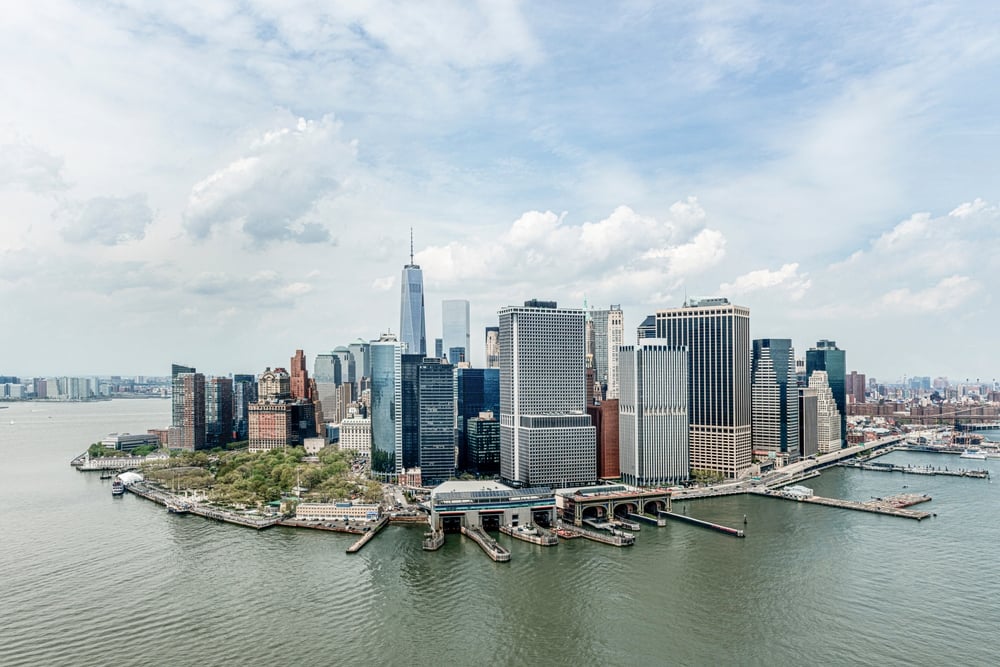
Battery Park (also called The Battery) is a beautiful 25-acre waterfront park at the southern tip of Manhattan. The park gets its name from the artillery batteries that were stationed there to protect New York City from invasion. The park is famous for offering stunning views of the New York Harbor, the Statue of Liberty, and Ellis Island. This is also the historic gateway where ferries depart for both of these iconic islands. Beyond the ferry terminal, you can explore the park’s sprawling gardens, walk along the waterfront promenade, and discover historic landmarks like Castle Clinton, an old fort that once served as the country’s first immigrant processing center.
Dinner
Just five minutes from Battery Park is Fraunces Tavern, an American restaurant and the city’s oldest bar. This landmark famously hosted George Washington’s 1783 farewell to his soldiers. Beyond its ties to the Revolutionary War and the Sons of Liberty, the building also served as Washington’s headquarters and housed the nation’s earliest government offices. Au Cheval is another premier American spot, located just a 15-minute trip north of Battery Park. Take the N, R, or W train from Whitehall St-South Ferry to Canal Street; from there, it’s a quick five-minute walk to the restaurant.
Other restaurants and bars to try in the Financial District include:
- The Dead Rabbit: Repeatedly named the “World’s Best Bar,” this multi-story Irish tavern is far from your average pub. It blends 19th-century history with world-class mixology—head to the Taproom for a legendary Irish coffee and sawdust-covered floors, or the upstairs Parlor for craft cocktails served in a more refined, vintage setting.
- Ulysses’: Named after the James Joyce classic, this Irish folk house is the heart of the downtown social scene. Known for its lively atmosphere, fresh oyster bar, and extensive whiskey list, it’s the place to be on a warm evening when the crowd spills out onto the street for live music and a perfect pint of Guinness.
- Adrienne’s Pizzabar: Tucked away on Stone Street, this is widely considered one of the best pizza spots in Lower Manhattan. Unlike the typical NYC round slice, Adrienne’s is famous for its thin-crust “Old-Fashioned” square pies—crispy, light, and perfect for sharing at the communal outdoor picnic tables.
- Manhatta: Perched on the 60th floor at 28 Liberty Street, this restaurant offers some of the most breathtaking 360-degree views in the city. While it’s a high-end New American restaurant, you can visit the bar for a more casual experience to enjoy a cocktail while watching the sunset over the Brooklyn Bridge and the Statue of Liberty.
After dinner, walk down Stone Street, a narrow, cobblestone alleyway that was the first street paved in the city in 1658. In the summer and during pleasant weather, the entire street is closed to cars and filled with communal picnic tables, creating a lively “European-style outdoor beer garden” feeling. It’s the perfect spot to grab a post-dinner drink and soak in the energy of the Financial District to finish your day trip.
Here you will also find Stone Street Tavern, which captures the essence of “Old New York.” It’s a local favorite for hearty American comfort food (like their famous burgers and mac & cheese) and offers a massive outdoor seating area that makes you feel like you’re in Europe than a Manhattan business district.

Alternative Attractions
If you’re a fast-paced traveler and have extra time to visit some more areas during your day in downtown Manhattan, consider these nearby options:
Explore the Financial District
Battery Park is located in the Financial District, the part of New York City that has earned its reputation as the world’s most important financial center. You can see iconic landmarks that define the neighborhood’s character, including the famous Charging Bull statue, a symbol of financial optimism. If you are a history lover, you will want to visit Trinity Church, a beautiful Gothic Revival building where prominent historical figures like Alexander Hamilton are buried. I write more about Trinity Church in my guide to hidden gems in New York City.
This neighborhood in the downtown Manhattan area is also home to the New York Stock Exchange and other historic sites like Federal Hall, where George Washington took his oath of office as the country’s first president. I write more about the Financial District in my 5-day NYC itinerary.
Staten Island Ferry
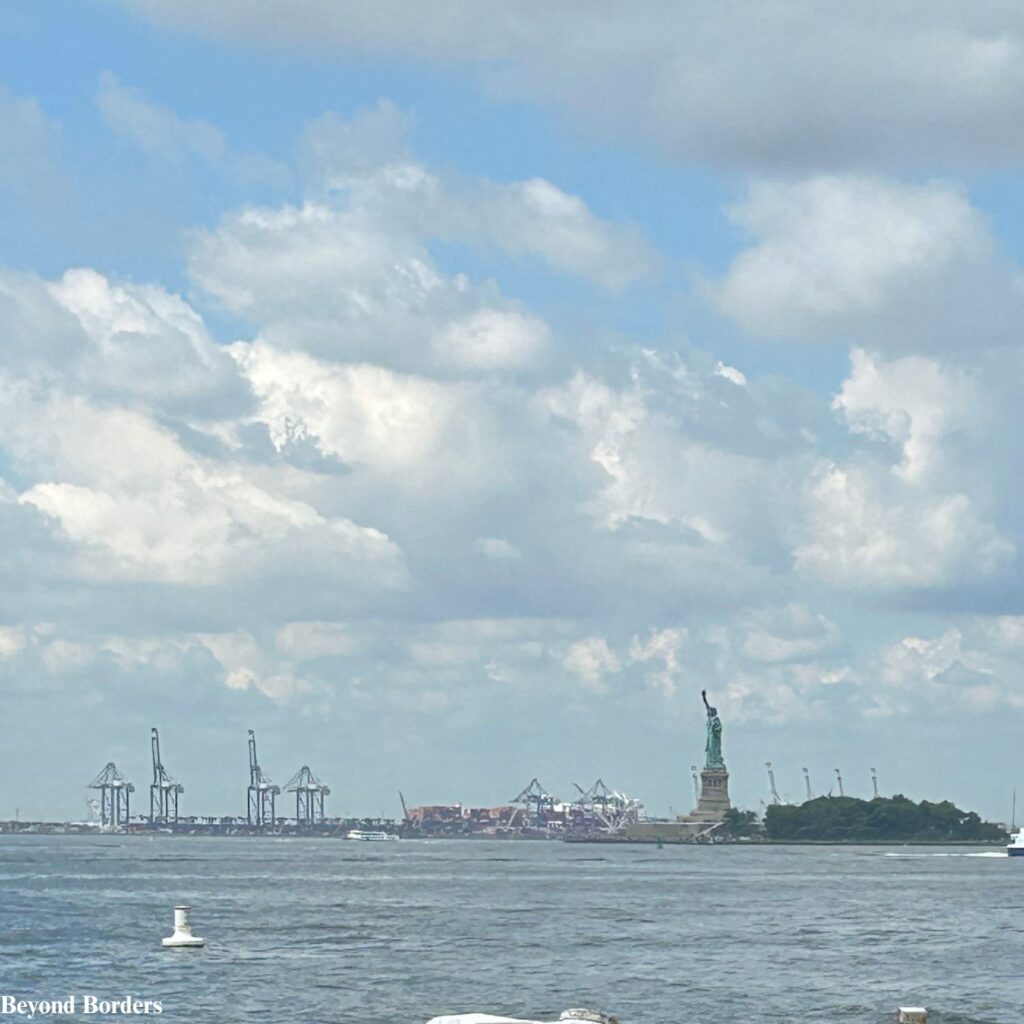
The Staten Island Ferry is one of New York City’s best-kept secrets for a truly spectacular experience, and it’s completely free! You board the ferry at the terminal on Whitehall Street, a short walk from Battery Park. The ferry ride provides magnificent, close-up views of the Statue of Liberty and Ellis Island, along with the Lower Manhattan skyline. For the best photos, be sure to stand on the right side of the ferry on your way to Staten Island and the left side on the return trip. Remember that you must disembark at the St. George Terminal on Staten Island and re-board for your return journey to Manhattan.
Ferries operate 24 hours a day, 7 days a week, including holidays. On weekdays during rush hour (approximately 6am to 9am and 3:30pm to 8pm), ferries usually depart every 15 to 20 minutes. On weekdays during off-peak hours and on weekends, ferries usually depart every 30 minutes. The trip takes about 25 minutes each way.
What about the 9/11 Museum?
The 9/11 Museum, also located in downtown Manhattan, is a very time-intensive and emotional experience, often taking two to three hours to fully appreciate. To make the most of this one-day itinerary, I suggest not visiting the museum, but you can instead visit the 9/11 Memorial Pools if you wish. This allows for a moment of quiet reflection at the twin reflecting pools while honoring the victims of this tragedy without the significant time commitment, which can be draining on an already busy day.
Conclusions
This downtown Manhattan walking tour allows you to experience the best of what this historic area has to offer: the old-world charm of Little Italy, the bustling energy of Chinatown, the trendy sophistication of SoHo, and a scenic, relaxing finish with views of New York Harbor and the Statue of Liberty at Battery Park. This itinerary proves that even with just one day, you can discover the incredible diversity and enduring charm of one of Manhattan’s most famous areas.