My Top 5 NYC Hidden Gem Museums At a Glance:
The best NYC hidden gem museums offer world-class art, architecture, and history with a fraction of the crowds at larger galleries:
- The Morgan Library and Museum: A quiet, grand architectural sanctuary in Midtown housing rare manuscripts.
- Tenement Museum: Exclusive, guided-only living history tours in authentic immigrant apartments.
- New York Historical Society: A crowd-free, world-class museum sitting just south of the AMNH.
- The Frick Collection: Old Master masterpieces displayed inside an intimate Gilded Age mansion.
- New York Transit Museum: An underground time capsule of vintage subway cars beneath Brooklyn.
Introduction
Planning a trip to New York City usually means adding heavy hitters like the Met or MoMA to your itinerary. While those mega-museums deserve a spot on every first-timer’s bucket list (I include both in my complete 5-day NYC itinerary), skipping the massive crowds for a few hours is one of the best moves you can make if you want a more personal experience. Moreover, if you’re looking for even more classic cultural spots, check out my guide to the best NYC museums for the full breakdown.
From underground transit hubs in Brooklyn to a magnificent private library in Midtown, these NYC hidden gem museums prove that some of the city’s best cultural experiences happen in smaller, more intimate spaces. Here is where to go when you want top-tier culture with a fraction of the lines.
Map
I have pinned these NYC hidden gem museums here:
How to Use & Save This Map
To make your trip to NYC’s hidden gem museums even easier, you can save this custom map directly to your Google Maps app:
- Open the Map: Click the [ ] icon in the top right corner of the map above to open it in full-screen mode.
- Save to Your Account: If you are signed into your Google account, the map will automatically be saved to your “Your Places” or “Saved” list.
- Access on the Go: On your phone, open the Google Maps app, tap the “Saved” (or “You”) tab at the bottom, scroll down to “Maps,” and select “NYC Hidden Gem Museums” to see all these pins while you’re walking!
- Pro-Tip: If you have limited data or a spotty connection, you can download the “NYC” area for offline use in your Google Maps settings so you never lose your way.
The Morgan Library and Museum: Midtown’s Quietest Architectural Marvel
Address: 225 Madison Ave between East 36th and 37th Street
How to Get Here: Take the 6 train to 33rd St station, walk 3 blocks north, and make a left onto East 36th St and then a right onto Madison Ave.
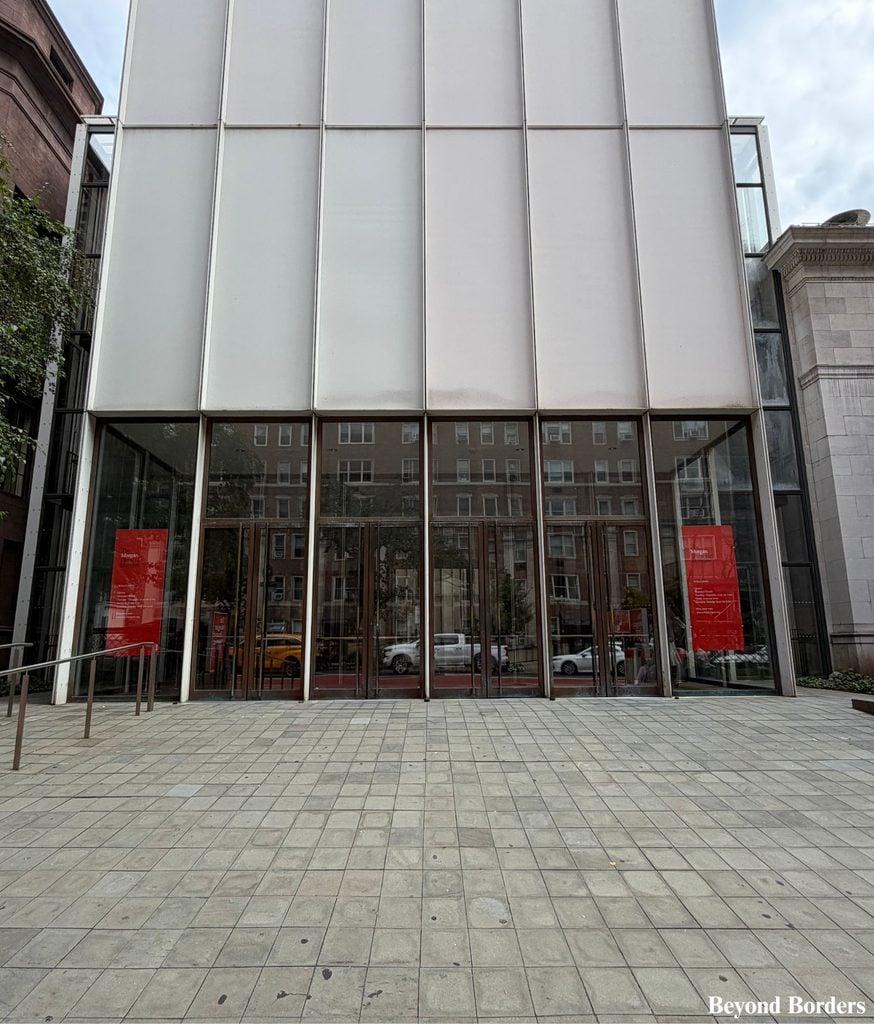
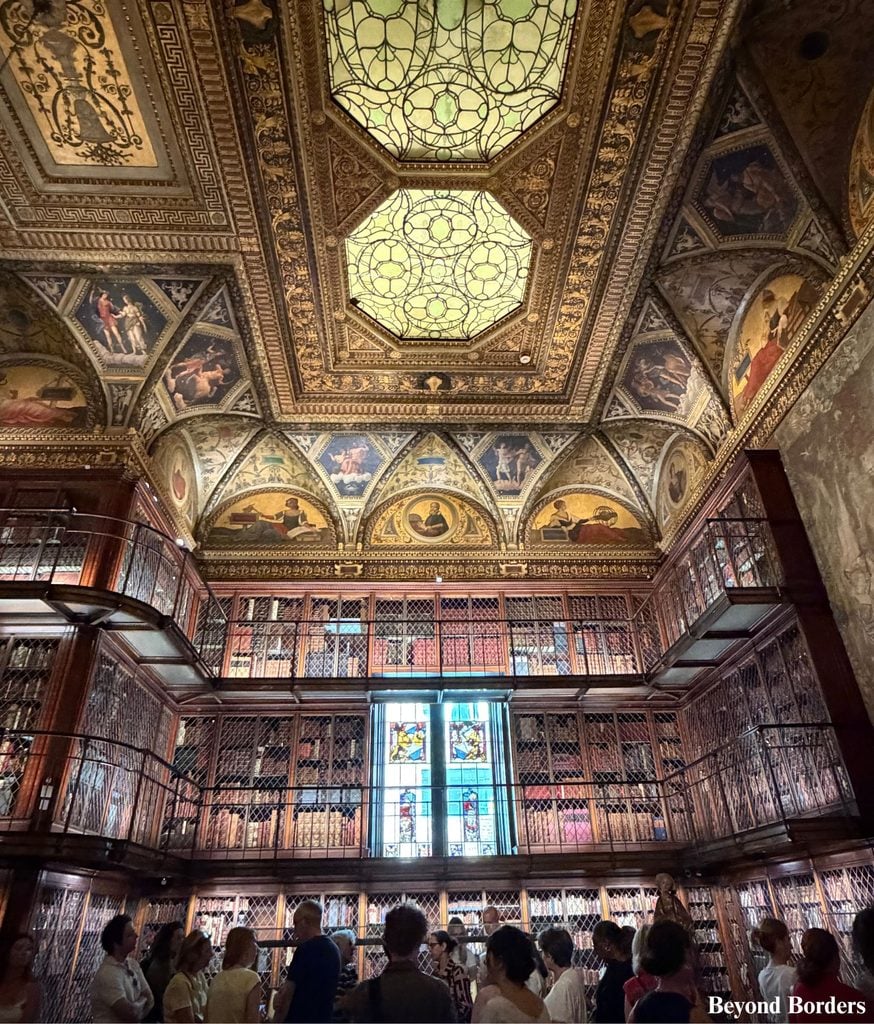
Stepping into The Morgan Library and Museum feels like stumbling upon a secret architectural sanctuary hiding in plain sight in Midtown. Just steps away from the bustling pavement of Madison Avenue, you instantly leave behind the city’s noise and enter what feels like a grand private palace. Originally constructed in the early 20th century as the personal library of financier J. Pierpont Morgan, the space boasts majestic three-story walnut bookshelves, intricate ceiling frescoes, and a towering floor-to-ceiling hearth that looks like something straight out of a European estate.
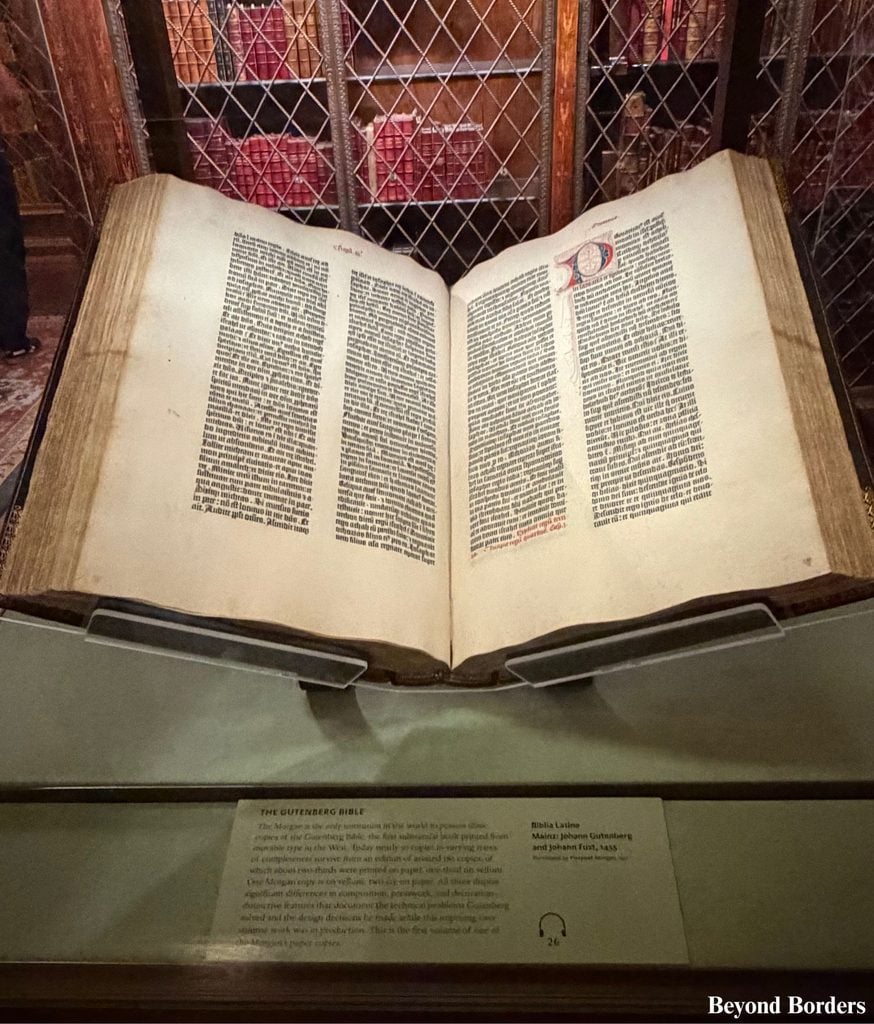
While the overwhelming grand hall will make you feel like you’ve stepped onto a movie set, the real treasure lies on display in the East Room: the Gutenberg Bible. The Gutenberg Bible is special because it was the first major book in Western Europe printed using the printing press around 1455, sparking the printing revolution.
While The Morgan holds an extraordinary collection of rare manuscripts and historic artifacts, it is the only institution that holds three Gutenberg Bibles; there are only 21 completed Bibles left in the world (two of The Morgan’s other Bibles are underground in a vault). Paired with its rotating literary exhibits and peaceful, sunlight-filled glass atrium, it offers an exceptionally quiet, world-class cultural escape right in the heart of Manhattan.
While official museum rules state that outside food and drinks are strictly prohibited, my visit during the peak summer rush was surprisingly low-key. Despite expecting strict bag checks during the busiest time of the year, security was quick and straightforward; as long as your water bottle stays tucked inside your bag while walking through the exhibits, you shouldn’t run into any issues.
Book Tickets
Book tickets to the Morgan Library and Museum on the official website. Tickets cost $25 per adult.
Pro-Tips:
- Try to visit during the first morning slot when the East Room is at its quietest for taking photos.
- The bathrooms are next to the museum store on the first floor and on the lower level; you will see the stairs in front of you when you enter.
- Rather than paying higher prices at the museum’s café, take a 15-20 minute walk south over to Eataly for lunch. Walk south down Madison Ave and through Madison Square Park going west, and you’ll see Eataly right next to the Flatiron Building. While it’s a popular spot, the full culinary experience inside is a true hidden gem–which is why I broke down the unique things you can do there in my guide to NYC’s best hidden gems.
Tenement Museum: Lower East Side’s Most Immersive History
Address: 103 Orchard Street (main entrance) between Broome St and Delancey St
How to Get Here: Take the F or M train to Delancey St–Essex St station and walk two blocks west on Delancey St until you reach Orchard St.
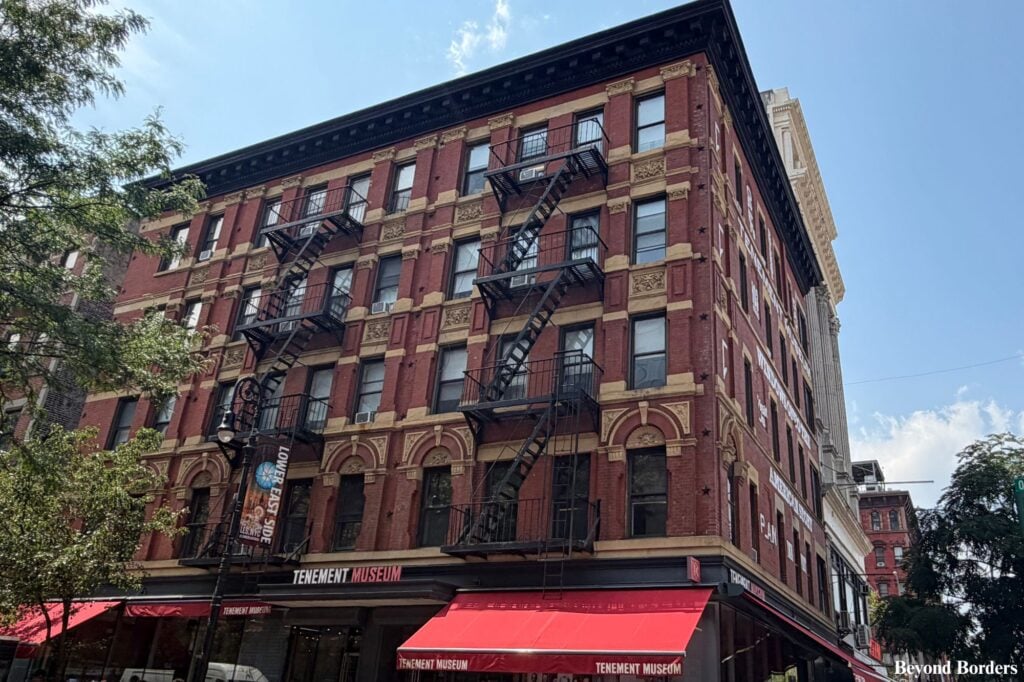
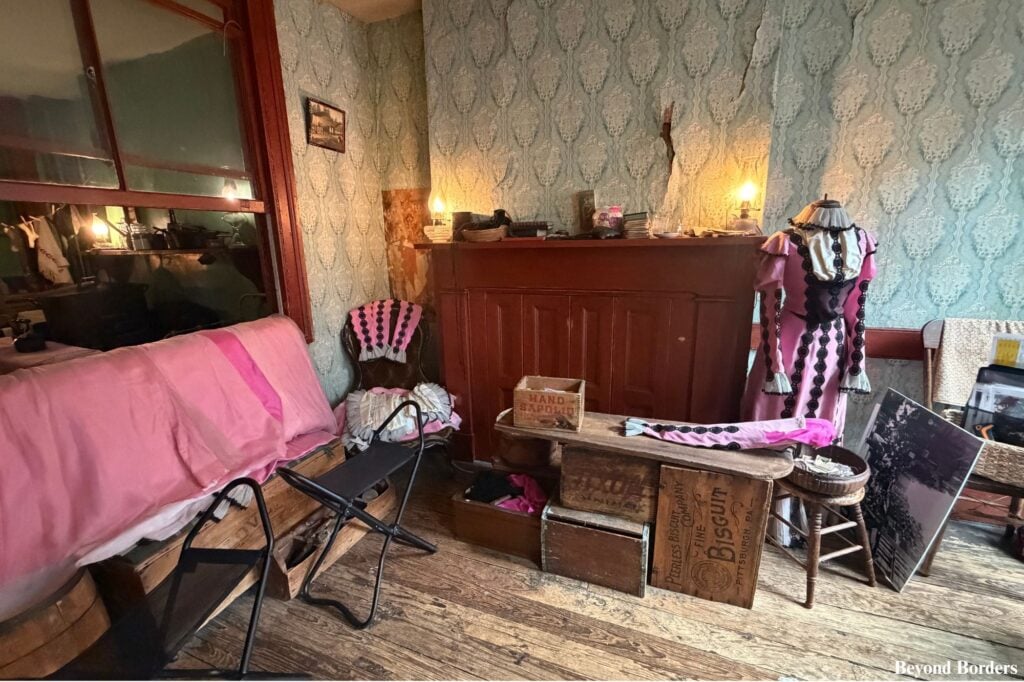
Many visitors stroll right past 97 and 103 Orchard Street without realizing they are standing in front of one of the city’s most powerful cultural institutions. The Tenement Museum is a living history experience most tourists miss simply by staying on street level. Unlike traditional museum galleries where you wander past display cases at your own pace, you cannot self-tour these buildings. Access is granted strictly through intimate, guided-only walking tours that take you inside meticulously restored apartment spaces where real immigrant and migrant families lived between the 1860s and 1980s.
On a tour, it feels like stepping directly into a time capsule. As you walk up the worn wooden staircases and stand inside wallpapered kitchens and cramped living quarters, expert educators bring the personal stories of past residents to life through census records, family photos, and oral histories. It’s an exclusive, deeply personal look at the working-class roots of New York City that connects the past directly to the modern neighborhood outside. Because every tour focuses on different eras and personal stories, it is an experience worth returning to-be sure to read my guide to visiting NYC’s Tenement Museum (and its several tour options) for a full breakdown of the best tour routes and how to book.
Book Tickets
Book your tickets to the Tenement Museum on the official website. Tickets cost $30 per adult.
Pro-Tips:
- Because tours are limited to small groups to protect the small tenements, tickets sell out days (and sometimes weeks) in advance. Book your tour online as soon as your travel dates are set!
- After your visit, I recommend walking two blocks east to Essex Market to eat, which I feature in my guide to NYC’s best food halls! I list the vendors I recommend, where to find restrooms, seating availability, and more. I also have Essex Market pinned in my map above.
New York Historical Society: Hiding in Plain Sight on the Upper West Side
Address: 170 Central Park West between West 76th and 77th Street
How to Get Here: Take the B or C train to 81st St–Museum of Natural History and walk south along the American Museum of Natural History until you reach 77th St, where the museum will be on your right.
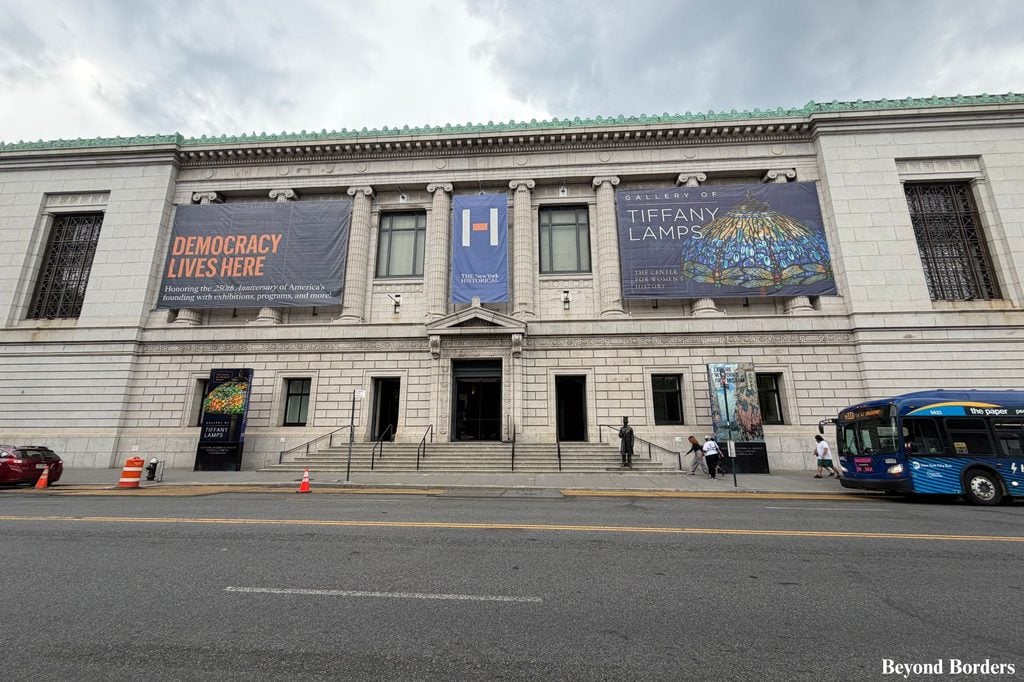
Sitting directly across 77th Street from the sprawling American Museum of Natural History complex, the New York Historical Society (now referred to as The New York Historical) is an overlooked icon hiding in plain sight. While massive crowds swarm its famous neighbor every single day, this grand stone building serves as Central Park West’s quietest world-class institution. Founded in 1804 as New York’s very first museum, it offers a peaceful, crowd-free haven where you can explore centuries of American history and culture without ever feeling rushed or overwhelmed.
Inside, the collection is surprisingly vast and visually engaging, bridging the gap between fine art and national history. You can wander through quiet galleries filled with original John James Audubon watercolor studies, magnificent displays of Tiffany lamps glowing in dramatic dark rooms, and deeply moving exhibits on local and national milestones. It’s an ideal museum for visitors who want top-tier curation, stunning Central Park views, and an intimate museum experience right in the middle of the Upper West Side.
Book Tickets
Book your tickets to the New York Historical Society on the official website. Tickets cost $24 per adult.
Pro-Tips:
- Take advantage of their Pay-as-You-Wish admission hours on Friday evenings from 5:00pm to 8:00pm for a budget-friendly, relaxed night at the museum!
- They also hold free daily tours at 1:00pm and 2:30 pm, subject to availability.
The Frick Collection: An Intimate Alternative to Big Art Museums
Address: 1 East 70th Street between 5th and Madison Ave
How to Get Here: Take the 6 train to 68 St–Hunter College, walk two blocks north and make a left onto East 70th St, crossing Park Ave and Madison Ave until you reach The Frick on your right; or take the Q train to 72nd St, walk two blocks south to East 70th St and walk west, crossing 3rd Ave, Lexington Ave, Park Ave, and Madison Ave until you reach The Frick on your right.
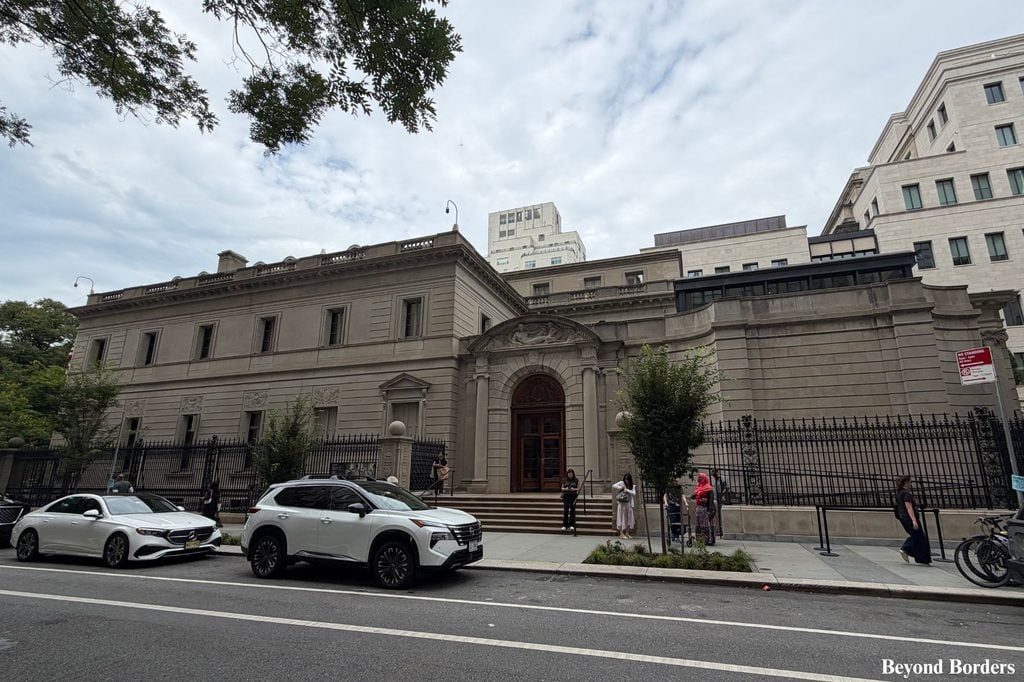
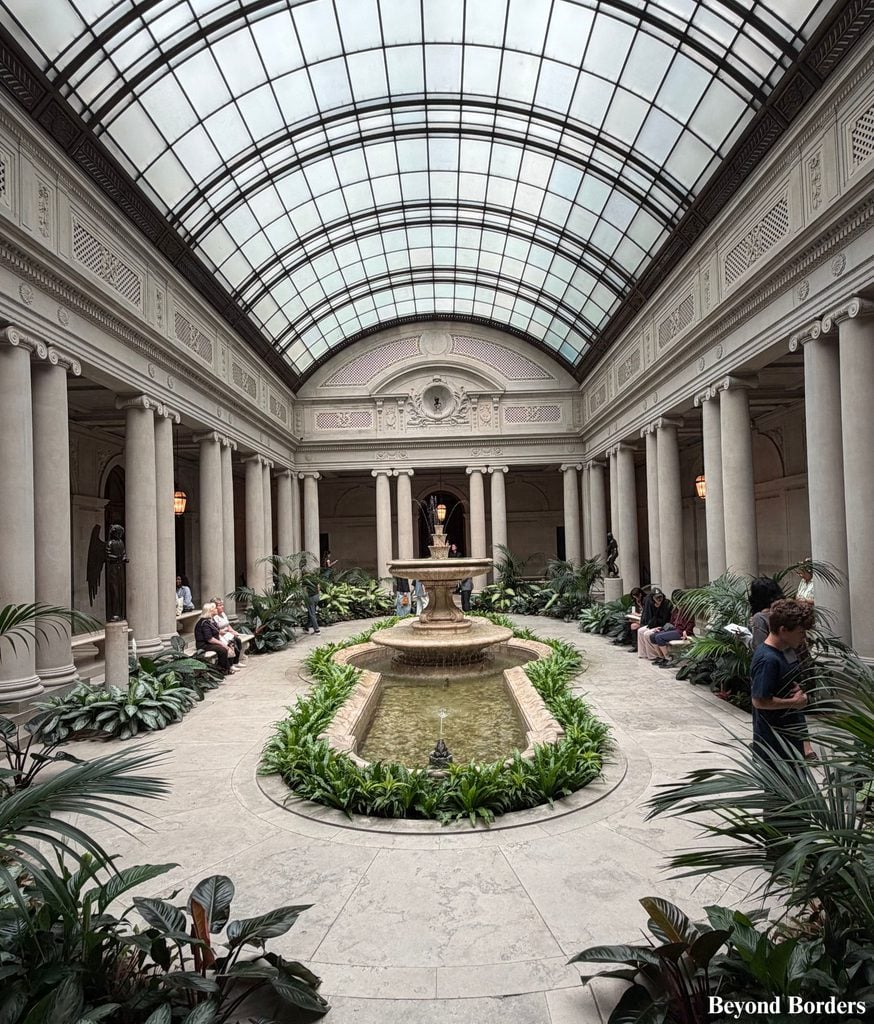
For art lovers who find sprawling venues like the Met or MoMA slightly overwhelming, The Frick Collection offers an intimate mansion experience that blows large galleries away. Housed in the Gilded Age mansion of industrialist Henry Clay Frick along Fifth Avenue, this world-class institution invites you to view masterpieces not in sterile, cavernous exhibition halls, but within the warm, residential elegance of a personal home. Walking through its wood-paneled rooms and skylit halls feels less like visiting a public institution and more like stepping into a private estate where every piece of art was chosen to fit the architecture itself.
Instead of navigating endless wings and dense crowds, you can appreciate highly skilled European artists (especially those who worked before roughly 1800, known as Old Masters), such as Rembrandt, Fragonard, Vermeer, and Goya, in a more intimate environment. The paintings are displayed alongside fine furniture, delicate bronzes, and decorative arts just as Frick intended, creating an atmospheric, immersive encounter with classical art. It’s a serene, high-end cultural retreat where you can truly slow down and absorb every detail without the rush of giant tour groups.
Navigating Their Strict House Rules
Because the collection is housed inside a historic residential home rather than a purpose-built modern gallery, the museum enforces strict preservation policies to protect both the building and the artwork. This means photography, even without flash, is completely prohibited throughout the permanent collection galleries; photos are only allowed in the museum’s Garden Court.
Additionally, you won’t find traditional gallery wall labels next to each artwork. Instead, you’re handed a wearable wrist lanyard with a personal QR code upon entry. Scanning it opens a mobile guide organized by floor and room, giving you instant access to the artist, creation date, and story behind every piece.
Security is also notably stricter here regarding food and drinks; unlike larger institutions where a water bottle tucked into your tote goes unnoticed, staff will not allow you to leave food or a water bottle (even if it’s empty!) in your bag as you explore the museum; you will be required to check all food and drink before entering the galleries. It’s a small tradeoff, but one that ultimately reinforces the quiet, preserved-in-time atmosphere that makes visiting the mansion so unique and special.
Book Tickets
Book your tickets to The Frick Collection on the official website. Tickets cost $30 per adult, and the museum is closed on Tuesdays.
Pro-Tip:
Children under 10 are not permitted inside The Frick to help preserve the fragile, historic space.
New York Transit Museum: Brooklyn’s Best Underground Secret
Address: 99 Schermerhorn St between Livingston St and State St
How to Get Here: Take the 2, 3, 4, 5, R, or W train to Borough Hall/Court St station, walk south on Court St, make a left onto Schermerhorn St, and the Transit Museum will be on your left.
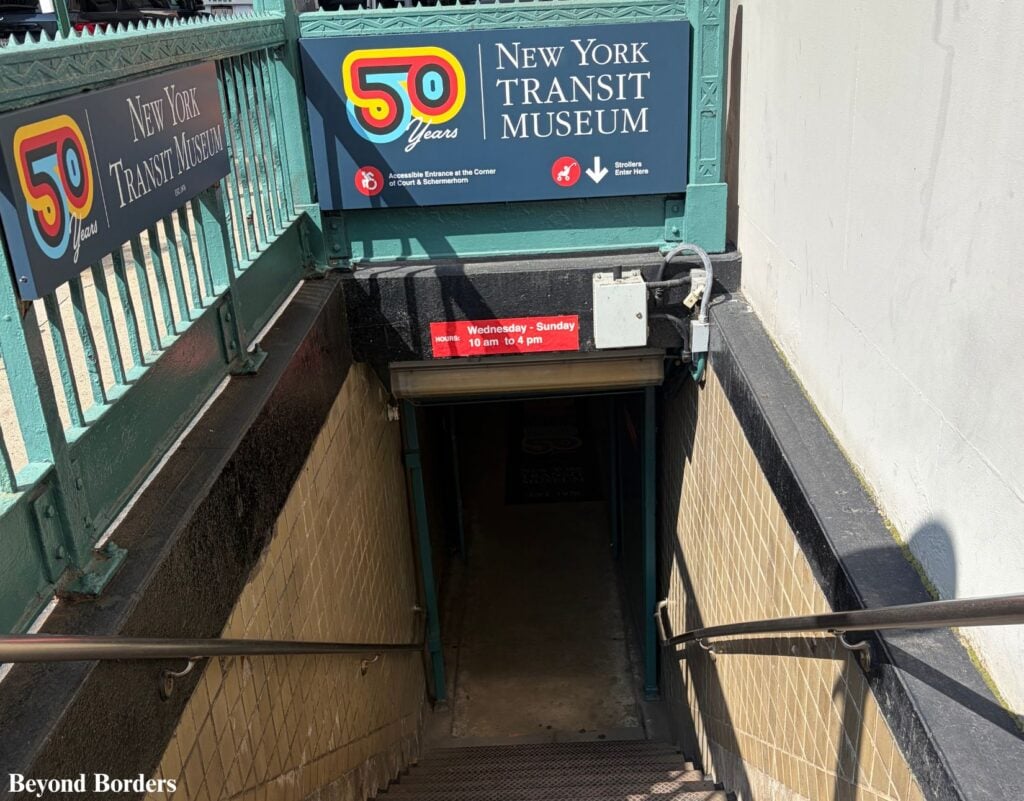
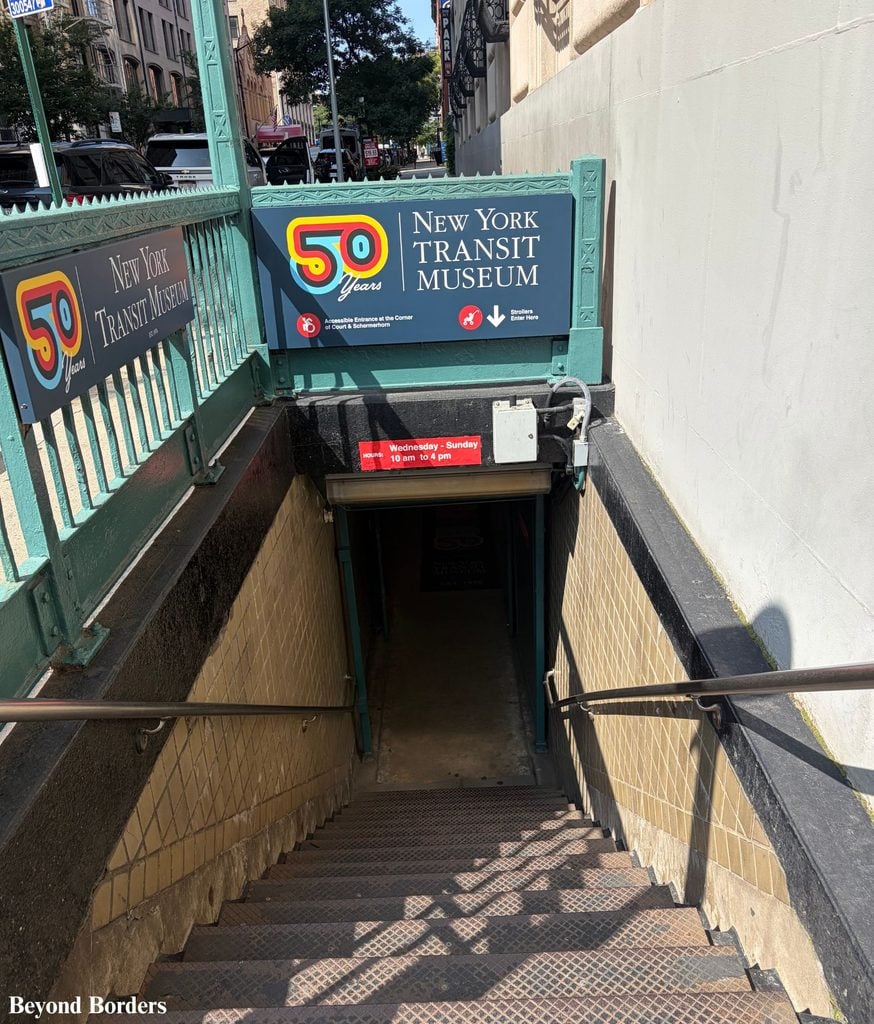
Tucked beneath the streets of Downtown Brooklyn, the New York Transit Museum is a true subterranean time capsule. Housed inside a decommissioned 1936 subway station, walking down the tiled entrance stairs feels like stepping directly back into 1900s New York! Instead of looking at display cases in a quiet hall, you descend onto an authentic, full-length subway platform where the history of NYC transit comes alive beneath the city pavement.
The real highlight lies along the tracks, where a permanent collection of vintage subway cars spans over a century of NYC subway history. You can step inside wooden cars from the early 1900s, walk through mid-century cars complete with vintage woven rattan seats, and admire authentic period advertisements lining the walls above the windows. Paired with interactive exhibits on the incredible engineering required to carve out the city’s underground network, it offers a hands-on, highly experiential look at the moving bloodstream of New York City.
How to Find It
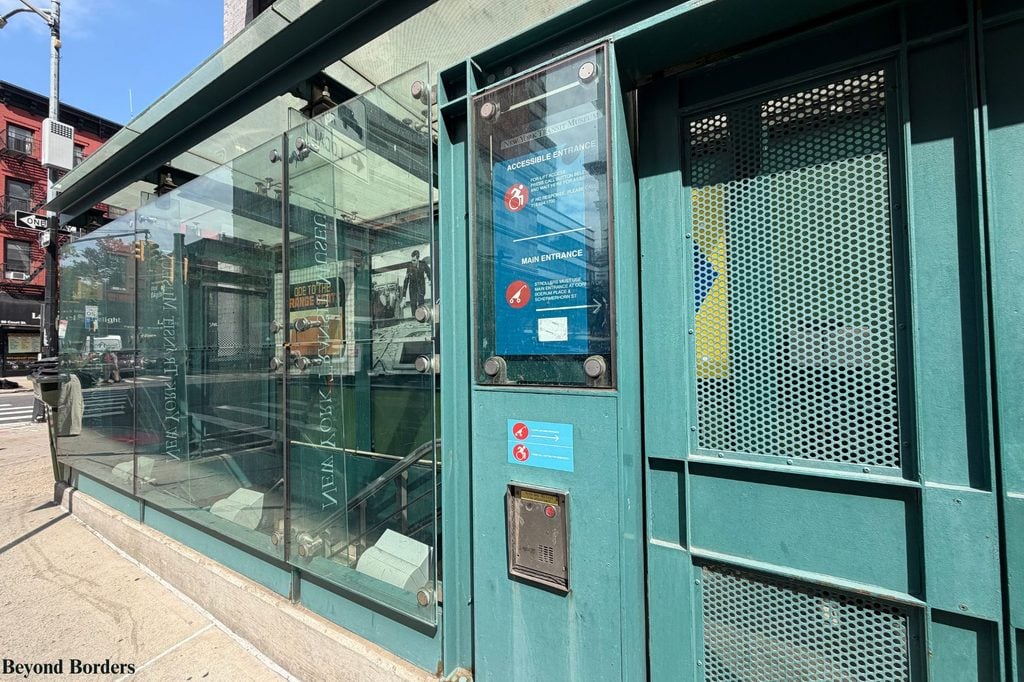
Finding the entrance is easily missed if you aren’t looking closely. Instead of a traditional museum building and lobby, the entrance is built directly into a standard corner subway stairwell on Boerum Place and Schermerhorn Street. Look for the classic rounded green globe lamps and the “New York Transit Museum” sign right above the stairs–you’ll walk straight down the steps as if catching a train and find the ticket booth and entrance gate waiting at the bottom.
Book Tickets
Book your tickets to the Transit Museum on the official website.
Pro-Tip:
The museum is located in an actual decommissioned station, which means platform levels are not climate-controlled. Dress for the outdoor weather: it gets warm down there in the summer and chilly in the winter!
Conclusions: Finding Your Own NYC Museum Pace
While visiting iconic landmarks is an undeniable rite of passage, stepping away from the overwhelming crowds at NYC’s biggest institutions reveals a richer, more personal side of the city. Whether you are wandering through the grand library vault of a 20th-century financier, walking through authentic 19th-century immigrant apartments, or stepping inside vintage subway cars beneath Brooklyn, these smaller cultural spots prove that the best experiences often happen off the main tourist track.
Next time you are mapping out your New York trip, consider trading a high-stress afternoon in a mega-gallery for one of these intimate spaces. You’ll get world-class history, incredible architecture, and–best of all–the breathing room to actually enjoy it.